When you think of authentic Chinese recipes, your mind likely drifts to the intoxicating aroma of a high-heat wok and the sight of shimmering, sauce-laden noodles. This particular dish is a masterclass in texture, capturing the elusive balance between the “crunch” of garden-fresh vegetables and the “slurp” of perfectly glazed wheat noodles.
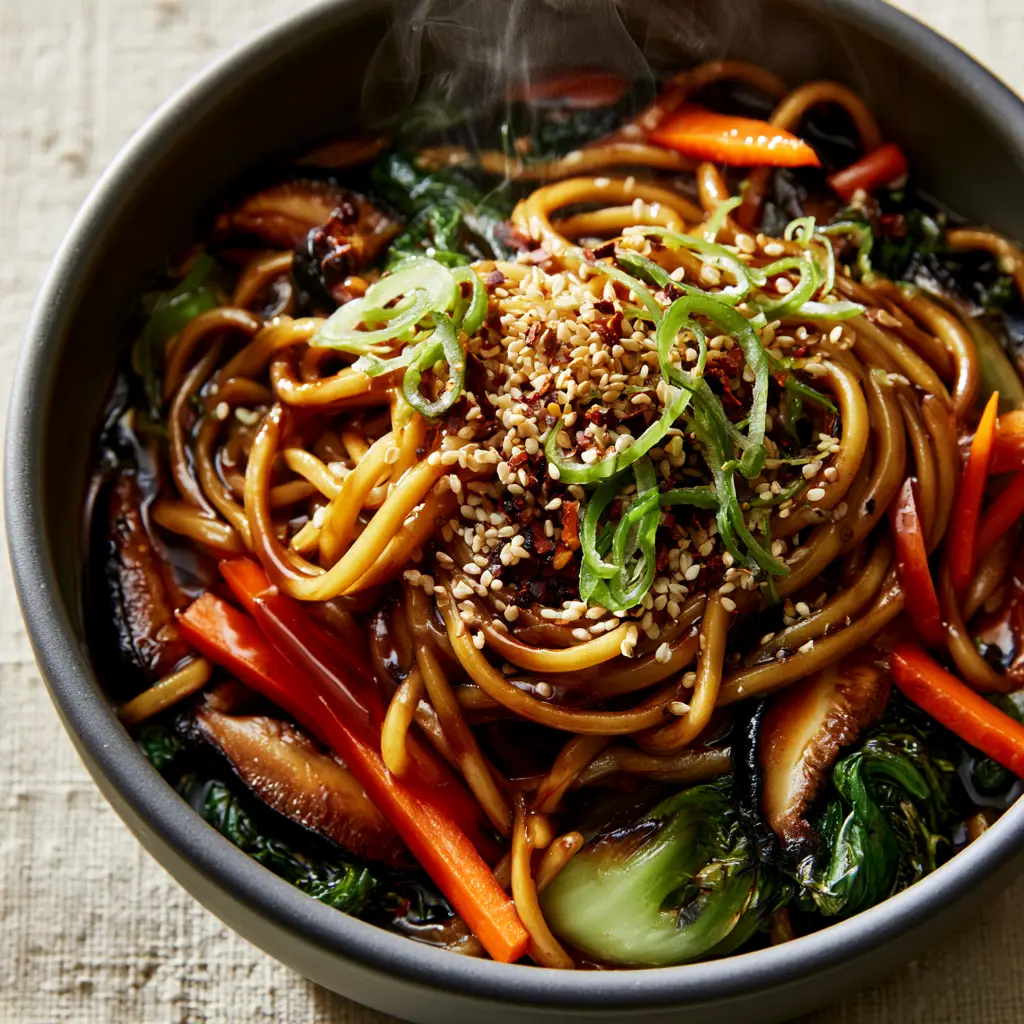
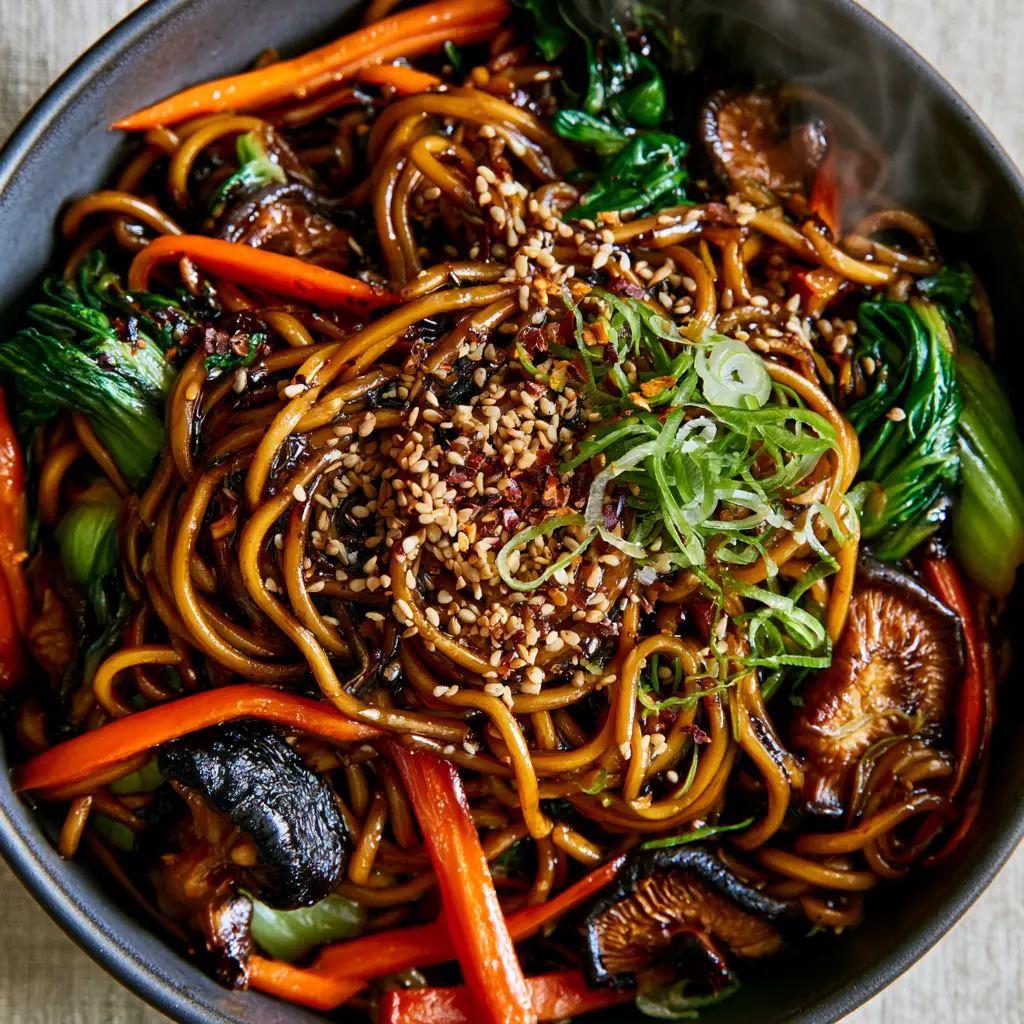
Imagine a bowl where every strand of noodle glistens under the light, coated in a mahogany-hued sauce that clings with purpose. The rising steam carries notes of toasted sesame and fermented soy, promising a meal that is as visually stunning as it is deeply savory.
Whether you are a seasoned home cook or just beginning to explore the vast world of Chinese recipes, this Vegetable Lo Mein is designed to deliver restaurant-quality results in your own kitchen. We are focusing on the forensic details—the charred edges of a mushroom, the translucent curl of a scallion—to ensure your final plate looks exactly like a professional food photograph.
Why This Lo Mein Logic Outshines Traditional Takeout
- The “Gloss” Factor: We utilize a specific ratio of oyster sauce and dark soy sauce to create a professional sheen that doesn’t feel greasy.
- Textural Contrast: By searing the shiitakes separately, we achieve a meaty, charred exterior that mimics the “wok hei” flavor found in professional kitchens.
- Nutrient Density: Unlike many heavy noodle dishes, this recipe prioritizes a massive volume of baby bok choy and raw julienned carrots for a vibrant, crisp-tender finish.
- Visual Precision: From the ice-chilled scallion curls to the heavy dusting of toasted sesame seeds, every garnish serves both a flavor and aesthetic purpose.
The Master Pantry: Essential Ingredients for the Perfect Glaze
Dried Wheat Noodles (8 oz / 225g): These are the backbone of the dish, providing a chewy, elastic structure that holds up against the heavy sauce. Look for “Lo Mein” or “Chow Mein” style noodles in the international aisle.
Dark Soy Sauce (1 tbsp / 15ml): This is the secret to that deep, dark mahogany color. It is thicker and less salty than light soy sauce, used primarily for its intense pigment and caramel undertones.
Oyster Sauce (3 tbsp / 45ml): This provides the “gloss” and a complex, savory umami base. If you are vegetarian, look for “Mushroom Stir-Fry Sauce” which offers the same viscosity and depth.
Toasted Sesame Oil (1 tsp / 5ml): A finishing oil that adds the signature nutty aroma and a final layer of shimmering shine to the noodle strands.
Fresh Shiitake Mushrooms (6 oz / 170g): We use fresh shiitakes because their caps hold onto heat, allowing them to sear and develop a golden-brown crust that adds a smoky element to the bowl.
Baby Bok Choy (3 heads): These provide the “crisp-tender” element. The white stems offer a satisfying crunch, while the green leaves wilt slightly into the sauce.
Carrots (1 medium): We julienne these into matchsticks to be used raw or barely warmed, providing a bright orange pop and a sweet, fresh contrast to the salty noodles.
Aromatic Foundation: Garlic (3 cloves) and fresh ginger (1 tbsp / 15g) are the “invisible” ingredients. While they disappear into the sauce, they provide the essential aromatic backbone required for all great Chinese recipes.
Essential Tools for a High-Heat Stir Fry
To achieve the specific visual results of this dish, you will need a few key pieces of equipment. A heavy-bottomed carbon steel wok is ideal for heat distribution, but a large cast-iron skillet is a fantastic alternative for achieving those charred mushroom edges.
You will also need a sharp chef’s knife for the julienned carrots and a small bowl of ice water. The ice water is a culinary trick used to create the tight “scallion curls” seen in our visual blueprint. When thinly sliced scallion tops are submerged in freezing water, the cell structure tightens, causing them to twist into beautiful, translucent garnishes.
Finally, a minimalist matte charcoal-grey ceramic bowl is recommended for serving. The dark, neutral background makes the vibrant greens of the bok choy and the bright orange of the carrots visually “pop,” creating that high-end restaurant aesthetic.
The Science of the Perfect Sear: Step-by-Step Instructions
Phase 1: Prepping for Visual Impact
Start by preparing your garnishes, as stir-frying happens fast. Thinly slice the green parts of the scallions and drop them into a bowl of ice water; watch as they begin to curl into delicate rings. Peel your carrot and slice it into 2-inch (5cm) matchsticks using a precise julienne technique. Set these aside to remain raw and vibrant.
Phase 2: Boiling the Noodle Base
Bring a large pot of salted water to a boil. Add your wheat noodles (8 oz / 225g) and cook for exactly 1-2 minutes less than the package directions. You want them “al dente” or even slightly undercooked, as they will finish softening in the hot sauce. Drain them and rinse briefly with cold water to stop the cooking and remove excess starch.
Phase 3: Achieving the Charred Shiitake
Heat 1 tbsp (15ml) of high-smoke point oil (like grapeseed or vegetable oil) in your wok over medium-high heat. Add the sliced shiitake mushrooms in a single layer. Crucial Tip: Do not stir them immediately. Let them sit for 2-3 minutes until you hear a distinct sizzling sound and see a deep golden-brown, charred crust forming on the edges. Flip and repeat, then remove them from the pan.
Phase 4: The Aromatic Sizzle
In the same pan, add another splash of oil and toss in the minced garlic and ginger. Stir-fry for only 30 seconds until the air smells fragrant but the garlic hasn’t browned. Add the halved baby bok choy. You are looking for a visual cue here: the leaves should turn a vibrant, neon green while the stems remain opaque and firm.
Phase 5: The Glossy Emulsion
Whisk together your dark soy, light soy, oyster sauce, and a teaspoon of sugar. Toss the noodles and seared mushrooms back into the wok. Pour the sauce over the noodles and toss vigorously with tongs. The heat will cause the sauce to reduce and thicken, creating that shimmering, dark glaze that coats every square millimeter of the noodle surface.
Phase 6: The Final Assembly
Turn off the heat. Fold in the julienned carrots—their raw crunch is vital. Transfer the tangled, steaming noodles into your charcoal-grey bowl. Garnish with a heavy sprinkle of toasted white sesame seeds, a pinch of dried red chili flakes for heat, and a handful of those drained, curly scallions.
Expert Tips for Success with Chinese Recipes
- Don’t Overcrowd the Pan: If you cook too many mushrooms at once, they will steam rather than sear. Work in batches to ensure those “visible charred edges.”
- The Noodle Rinse: Rinsing wheat noodles in cold water is essential. It prevents them from becoming a gummy mass and allows the sauce to slide over them smoothly.
- Control the Heat: If your sauce is drying out too quickly, add 1-2 tbsp (15-30ml) of noodle cooking water to emulsify the glaze back into a glossy state.
- Vegetable Timing: Always add julienned carrots at the very end. Their role is to provide a fresh, raw texture that cuts through the rich, salty sauce.
Storage, Reheating, and Make-Ahead Advice
While these noodles are best served immediately while the “steam vapors” are active, they do store well. Place leftovers in an airtight container in the refrigerator for up to 3 days. When reheating, avoid the microwave if possible. Instead, toss them back into a hot pan with a splash of water or extra soy sauce to loosen the glaze and restore the shine.
Do not freeze this dish. The cellular structure of the bok choy and the wheat noodles will break down upon thawing, resulting in a mushy texture that loses the “crisp-tender” appeal we worked so hard to achieve.
What to Serve With Your Vegetable Lo Mein
This dish is a substantial meal on its own, but it pairs beautifully within a larger spread of Chinese recipes. Consider serving it alongside a protein-heavy dish like classic teriyaki chicken or perhaps a lighter chicken and vegetable stir-fry. For those looking for a spicy kick, pairing this with authentic dan dan noodles creates a wonderful tasting menu of various Chinese noodle styles.
Frequently Asked Questions
Yes, you can use spaghetti in a pinch. To make it more like Chinese wheat noodles, add a teaspoon of baking soda to the boiling water to change the pH, giving the pasta a more yellow color and bouncy texture.
The trick is to sear them in a very hot pan with oil and leave them undisturbed for several minutes. Do not salt them until after they are browned, as salt draws out moisture and causes steaming.
Slice the scallion greens into very thin slivers and immediately drop them into a bowl of ice water. After 5-10 minutes, the cold temperature causes the strips to curl into tight, decorative rings.
While light soy sauce provides the salt, dark soy sauce provides the deep color and rich molasses-like undertone. Without it, the noodles will look pale rather than the rich mahogany seen in the photos.
The gloss comes from the combination of oyster sauce (or mushroom stir-fry sauce) and a small amount of sugar or cornstarch in the sauce, which emulsifies with the oil and noodle starch under high heat.
The Ultimate Glossy Vegetable Lo Mein Recipe
Chinese recipes: The Ultimate Glossy Vegetable Lo Mein with Seared Shiitakes
Ingredients
Equipment
Method
- Boil wheat noodles for 1-2 minutes less than the package instructions. Drain and rinse with cold water.
- Julienne carrots into matchsticks. Slice scallions and place in ice water to create curls.
- Heat oil in a wok until shimmering. Sear shiitake mushrooms undisturbed until charred edges appear, then set aside.
- Add garlic, ginger, and bok choy to the wok. Stir-fry for 1 minute until leaves are vibrant green.
- Return noodles and mushrooms to the wok. Pour in the soy-oyster sauce mixture. Toss on high heat until the glaze is glossy and thick.
Notes
Use a matte bowl to make the colors of the vegetables pop.
Join the Community & Share Your Creations!
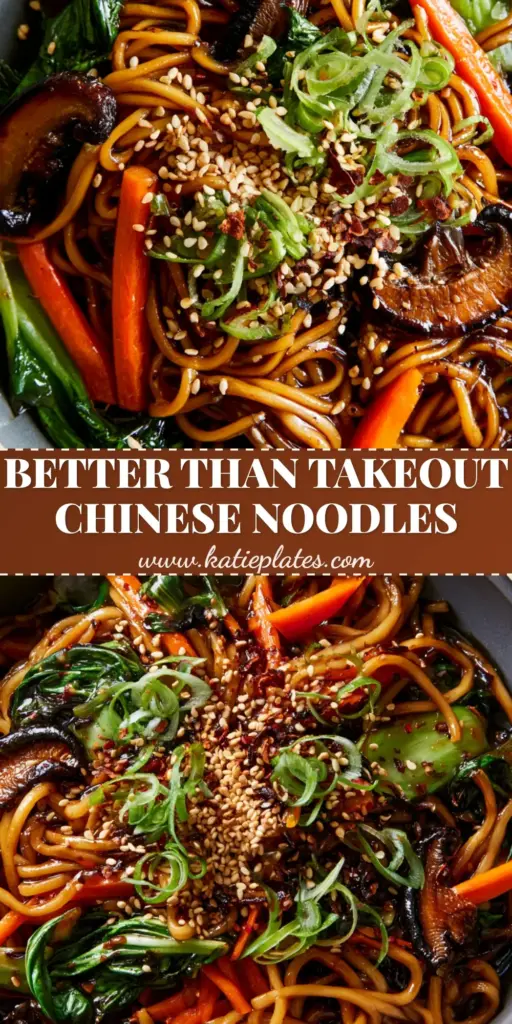
Mastering Chinese recipes at home is a rewarding journey that starts with high-quality ingredients and the right techniques. We hope this Vegetable Lo Mein becomes a staple in your dinner rotation! If you made this dish, we want to see it. Does your sauce have that signature shimmer? Are your scallions perfectly curled?
Leave a comment below with your results and don’t forget to follow us on Pinterest for more visual recipe inspiration. Pin this recipe to your “Dinner Ideas” board so you always have it on hand!