There is a specific, soul-warming aroma that fills a Persian kitchen when a fresh batch of Persian Kotlet is hitting the hot oil. It is the scent of savory onions, earthy turmeric, and searing meat—a combination that signals a meal made with love and precision. These iconic patties are more than just a dish; they are a textural masterpiece featuring a shatter-crisp exterior and a tender, steaming interior.
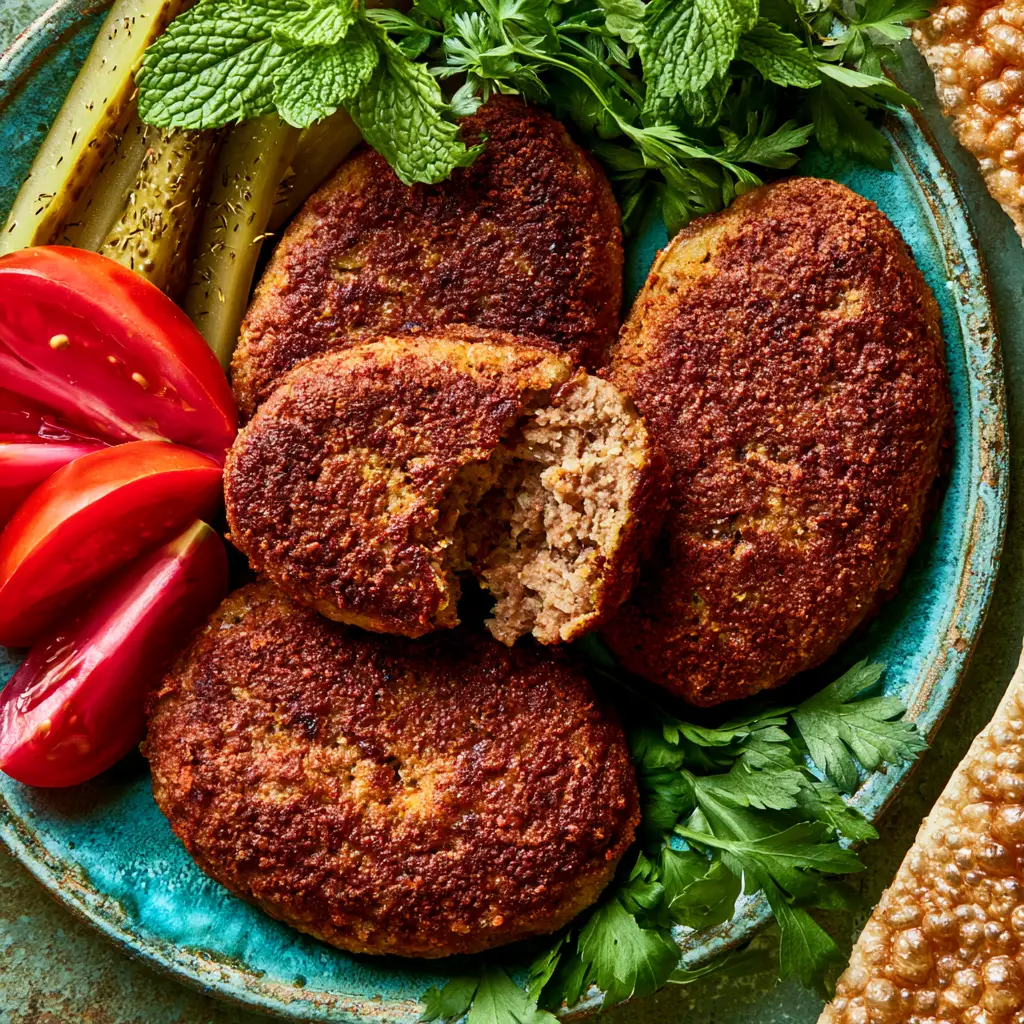
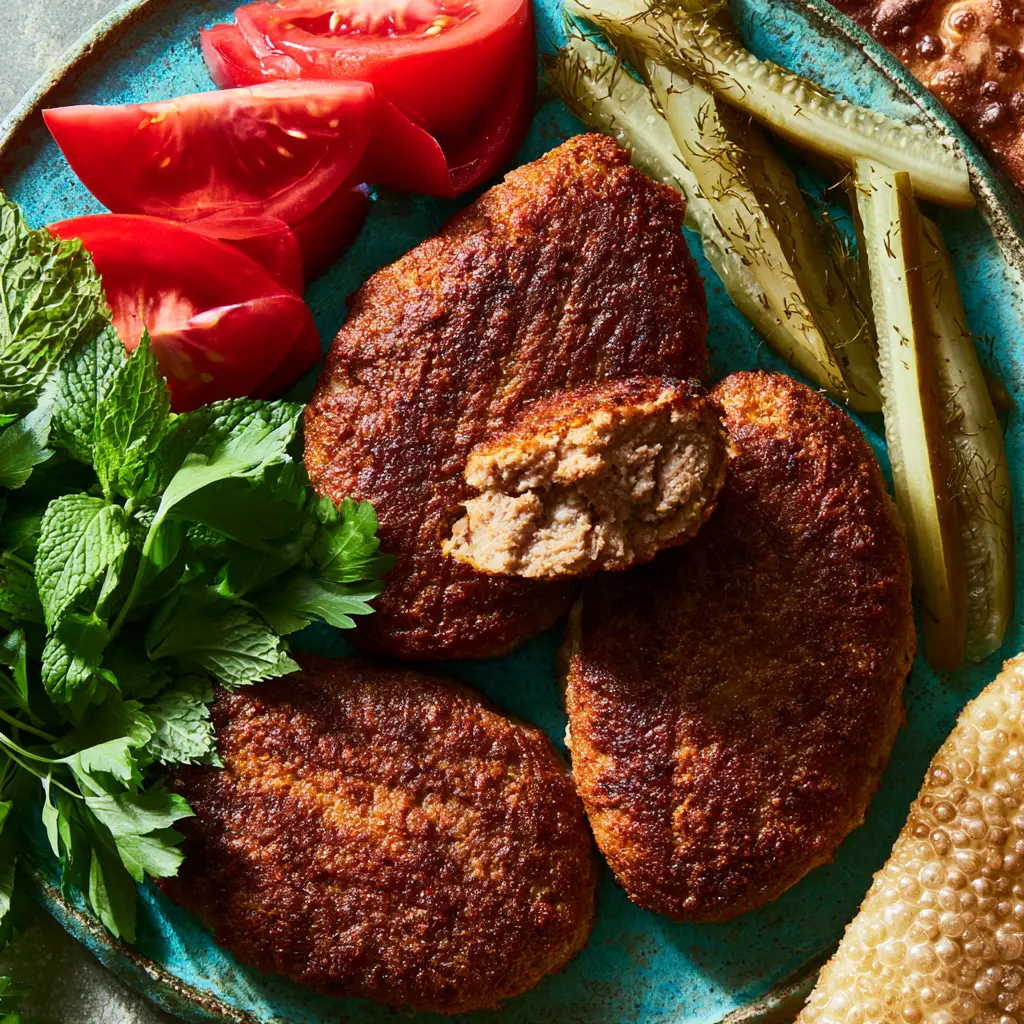
When you look at a platter of these golden-brown beauties, perhaps served on a rustic turquoise ceramic plate, the contrast is breathtaking. The vibrant red of vine-ripened tomatoes and the deep green of fresh mint and parsley create a visual feast that rivals the flavor itself. Whether you are preparing this for a family gathering or as part of your Ramadan recipes rotation, the Persian Kotlet never fails to impress.
In this guide, we are going deep into the culinary science of the perfect fry. We will explore how to achieve that signature oval shape and the specific ridges that make the crust so incredibly textured. From the dusting of reddish-purple sumac to the toasted bubbles of Sangak flatbread, every element here is designed for maximum flavor and authentic Persian soul.
Why This Crispy Persian Meat and Potato Recipe Works
- The Shatter-Crisp Texture: By balancing the starch of the potatoes with the protein of the beef, we create a crust that crackles upon impact while remaining juicy inside.
- Aromatic Depth: The inclusion of turmeric and sumac provides an earthy, citrusy undertone that elevates the ground beef beyond a standard patty.
- Structural Integrity: Unlike some fritters that fall apart, our method ensures these patties hold their oval shape perfectly in the pan.
- Visual Contrast: The pairing with raw vine-ripened tomatoes and Persian pickles offers a refreshing acidity that cuts through the rich, fried savory notes.
The Anatomy of a Perfect Persian Kotlet: Essential Ingredients
Creating an authentic Persian Kotlet requires a specific ratio of ingredients to ensure the patties are neither too dense nor too loose. The interplay between the moisture in the vegetables and the binding power of the eggs is crucial for that “steaming, tender center” described in our visual blueprint.
Lean Ground Beef: Use 1 lb (450g) of 85% or 90% lean ground beef. You want enough fat for flavor and moisture, but not so much that the patties shrink excessively or become greasy during the pan-frying process.
Russet Potatoes: You will need 1 lb (450g) of potatoes. We recommend using a mix of one boiled potato for creaminess and one raw grated potato for that distinct “shatter-crisp” ridge texture on the outside.
Yellow Onion: One large (200g) onion, finely grated. The juice of the onion tenderizes the meat, while the solids provide a sweet, savory foundation that caramelizes as the Kotlet fries.
Large Eggs: 2 large eggs act as the primary binder. They ensure the meat and potato mixture stays cohesive, allowing you to form those iconic oval shapes without them cracking in the hot oil.
Turmeric and Sumac: 1 tsp (5g) of turmeric provides the golden-brown hue, while a final dusting of 1 tbsp (15g) reddish-purple sumac adds a necessary acidic pop. If you enjoy bright flavors, you might also like the zing found in watermelon fries during the summer months.
Foundational Seasonings: 1.5 tsp (9g) fine sea salt and 1 tsp (5g) cracked black pepper are essential. These are the “invisible” ingredients that activate the savory profile of the beef and potatoes.
Cooking Oil: Use 1/2 cup (120ml) of a high-smoke point oil like grapeseed or vegetable oil. This is scientifically required to achieve the deep golden-brown crust without burning the spices.
Tools Required for the Perfect Sear
To achieve the macro-level detail of tiny ridges and a deep golden crust, your equipment matters just as much as your ingredients. A heavy-bottomed skillet is your best friend in this process.
A large (12-inch/30cm) cast-iron or non-stick skillet is ideal for maintaining even heat distribution. This prevents “hot spots” that might burn the exterior before the meat interior is fully cooked and steaming.
You will also need a fine-mesh grater or a food processor with a grating attachment. The finer the potato and onion are grated, the more uniform the texture of your Persian Kotlet will be. A splat guard is also recommended to keep your stovetop clean during the frying phase.
Step-by-Step Instructions to Golden Perfection
Preparing the Potato and Meat Base
Start by boiling one of your potatoes until fork-tender, then mash it finely. Grate the remaining raw potato and the onion using the fine holes of your grater. Pro Tip: Place the grated raw potato and onion in a clean kitchen towel and squeeze out every drop of excess liquid; this is the secret to a crispy, non-soggy crust.
In a large mixing bowl, combine the ground beef, mashed potato, grated potato, grated onion, eggs, turmeric, salt, and pepper. Knead the mixture by hand for about 5 minutes. You are looking for a tacky, homogenous paste where the meat and potatoes are indistinguishable.
Shaping the Iconic Oval Patties
Divide the mixture into small balls, roughly the size of a large lemon. Flatten each ball into an oval shape about 1/2 inch (1.25cm) thick. Use your fingertip to create a small indentation or slight ridges on the surface—this increases the surface area for maximum crunch.
If you find the mixture sticking to your hands, dip your palms in a little cold water. This allows you to smooth the edges for a professional, uniform look. If you enjoy shaping savory appetizers, you might also find the process of making Greek zucchini fritters quite similar and satisfying.
The Science of the Shatter-Crisp Fry
Heat your oil in the skillet over medium-high heat until it shimmers. Carefully place four oval-shaped patties into the pan, being careful not to overcrowd them. You should hear an immediate, vigorous sizzle—this sound is the moisture evaporating to form the crust.
Fry for 5-7 minutes per side. Watch for the visual cue: the edges will turn a deep, dark golden-brown before you flip. The final result should have visible tiny ridges and a texture that sounds hollow when tapped with a spatula. Once cooked, transfer to a paper towel-lined plate to drain.
Expert Tips for the Ultimate Persian Kotlet
- Temperature Control: If the oil is too hot, the outside will burn while the interior stays raw. If it’s too cool, the patties will soak up oil and become greasy. Maintain a steady medium heat.
- The Potato Ratio: Using both boiled and raw potatoes provides the best of both worlds—a creamy, “steaming tender” center and a “shatter-crisp” shell.
- Rest the Meat: Let the mixture sit in the fridge for 30 minutes before shaping. This allows the starches to hydrate and makes the patties easier to handle.
- Squeeze the Onions: Never skip squeezing the onion juice. Excess moisture is the enemy of the golden-brown crust.
How to Store and Reheat Your Kotlet
Persian Kotlet is excellent for meal prep. You can store cooked patties in an airtight container in the refrigerator for up to 4 days. They actually make a fantastic cold sandwich the next day with pickles and mayo!
To reheat and preserve that crispy texture, avoid the microwave. Instead, place the patties in a toaster oven or air fryer at 350°F (175°C) for 5-7 minutes. This reactivates the fats in the crust, bringing back that initial crunch. For more potato-based storage tips, check out our guide on potatoes dauphinoise.
What to Serve With Persian Kotlet
To match our visual blueprint, serve these patties on a turquoise plate. The traditional accompaniment is toasted Sangak flatbread—a long, bubbly leavened bread baked on hot stones. If you can’t find Sangak, a toasted barbari or pita bread works well.
Freshness is key to balancing the fried elements. Arrange half-moon slices of vine-ripened tomatoes and long, thin slices of Persian pickles (the kind with visible dill seeds) around the platter. A lush bundle of fresh mint leaves and flat-leaf parsley is mandatory for the authentic experience. If you are looking for a lighter seafood pairing to start the meal, consider our shrimp oreganata.
Frequently Asked Questions
You can air fry them at 400°F (200°C) for 15-20 minutes, flipping halfway. Spray them generously with oil to mimic the traditional golden-brown crust.
Yes! While ground beef is traditional, ground chicken or lamb works beautifully. Adjust the cooking time slightly as chicken may cook faster than beef.
Russet or Idaho potatoes are best because their high starch content contributes to a crispier exterior compared to waxy potatoes like Yukon Gold.
Patties usually fall apart due to excess moisture. Ensure you squeeze all the liquid out of the grated onions and raw potatoes, and use enough egg as a binder.
The Master Recipe: Crispy Persian Kotlet
Persian Kotlet: The Ultimate Crispy Potato and Meat Patties Recipe
Ingredients
Equipment
Method
- Boil half the potatoes until soft, then mash. Grate the other half raw. Squeeze all moisture from the raw grated potatoes and grated onions using a kitchen towel.
- In a large bowl, mix ground beef, both potato types, onion, eggs, turmeric, salt, and pepper. Knead for 5 minutes until a tacky paste forms.
- Form the mixture into oval patties 1/2 inch (1.25cm) thick. Use your fingers to create small ridges on the surface for extra crispness.
- Heat oil in a skillet over medium-high. Fry patties for 5-7 minutes per side until a deep golden-brown crust forms and the interior is steaming.
Notes
If the mixture is too wet, add a tablespoon of breadcrumbs to stabilize.
Bring the Flavors of Tehran to Your Table
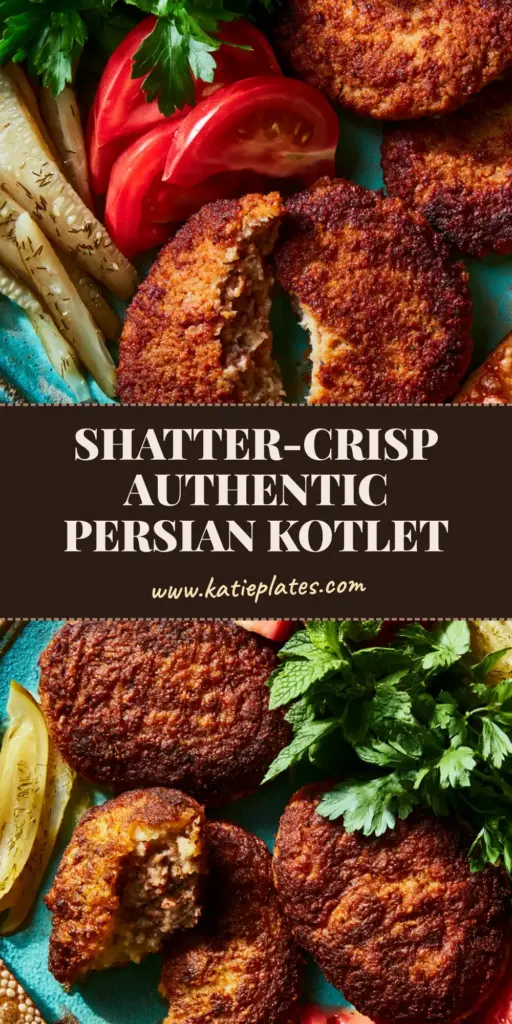
Mastering the Persian Kotlet is a rite of passage for any home cook looking to explore the depths of Middle Eastern cuisine. The combination of the shatter-crisp crust and the savory, steaming interior is a culinary experience that transcends borders. It is a dish that demands to be shared, preferably with plenty of fresh herbs and warm bread.
We would love to see your creations! Did you manage to get those perfect ridges on your patties? Tag us in your photos and be sure to share this recipe on Pinterest so others can enjoy this golden-brown delight. Don’t forget to sign up for our newsletter for more authentic recipes delivered straight to your inbox!