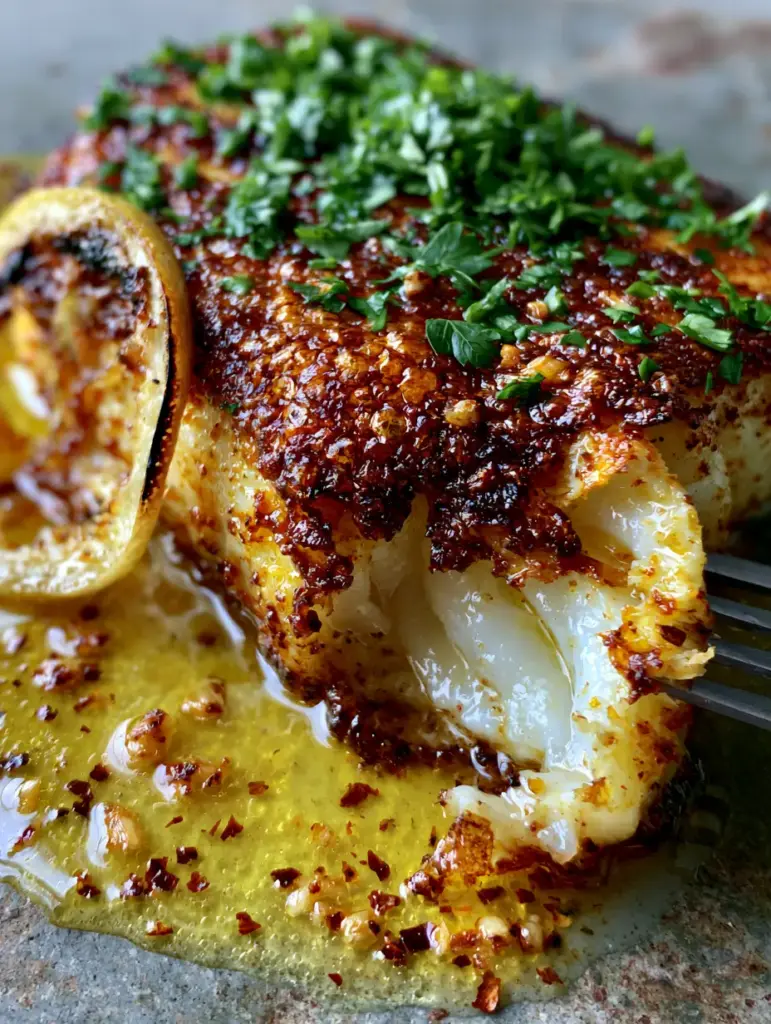
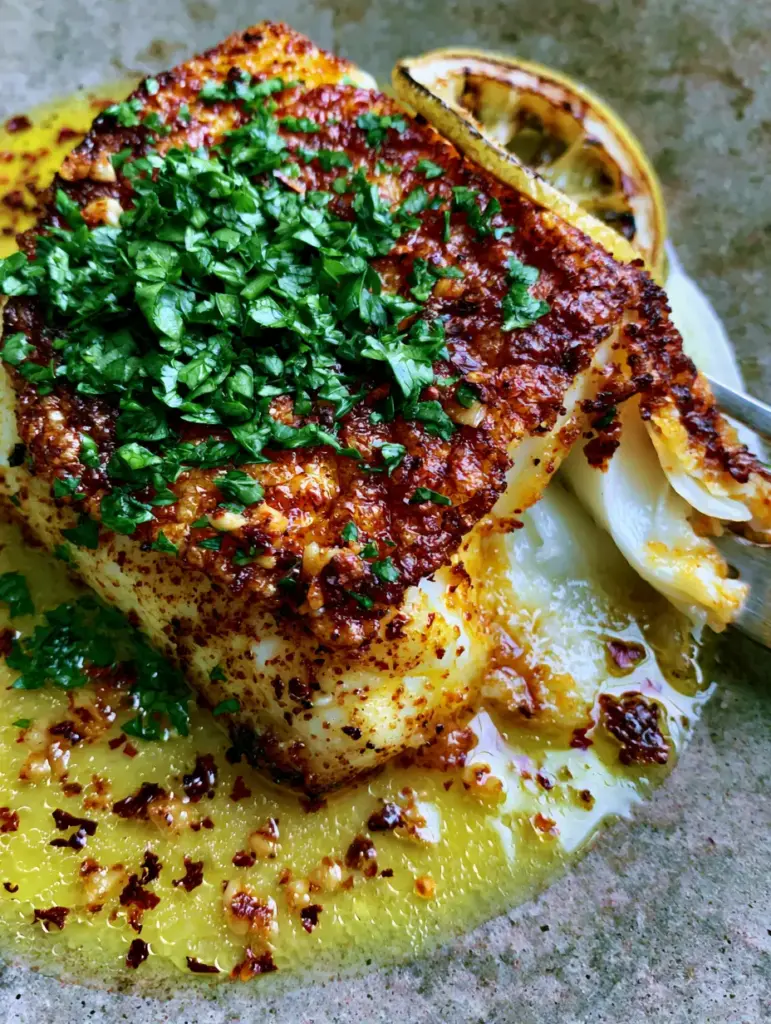
There is nothing quite like the sight of a perfectly prepared pan-seared cod fillet resting in a pool of shimmering citrus butter. Imagine a thick, crackling, deep golden-brown caramelized crust that shatters under the slight pressure of a fork. Beneath that crust lies the prize: pearly white, juicy, and steaming layers of meat that flake away with effortless grace. This isn’t just a meal; it is a masterclass in texture and flavor balance that you can achieve in your own kitchen in under twenty minutes.
When you look at this dish, the visual cues tell the whole story of its quality. The vibrant green of freshly chopped parsley contrasts against the translucent yellow of a rich butter sauce. Tiny bits of toasted minced garlic and dried red pepper flakes dance in the emulsion, promising a hit of savory warmth and a gentle kick of spice. This pan-seared cod recipe is designed to replicate that authentic, high-end bistro experience right at your dining table, using simple techniques that yield professional results.
Why This Pan-Seared Cod Will Become Your New Favorite Dinner
- The Ultimate Crust: We use specific moisture-removal techniques to ensure a thick, crackling, deep golden-brown crust every single time.
- Succulent Interior: By controlling the pan temperature, we ensure the fish remains “pearly white” and incredibly juicy, avoiding the dryness often associated with white fish.
- Restaurant-Quality Sauce: A shimmering, translucent lemon butter sauce with toasted garlic that perfectly complements the mild sweetness of the cod.
- Visually Stunning: With charred lemon slices and a heavy scatter of bright green parsley, this dish looks as good as it tastes.
- Quick & Nutritious: A high-protein, heart-healthy meal that fits perfectly into a busy weeknight schedule or a special weekend menu.
The Foundation: Essential Ingredients for the Perfect Sear
Fresh Cod Fillets: You will need 1.5 lbs (680g) of thick-cut cod fillets. Cod is the ideal vessel for this technique because its large flakes and mild flavor profile provide the perfect canvas for a buttery, garlic-forward sauce.
High Smoke Point Oil: Use 2 tbsp (30ml) of avocado oil or grapeseed oil. These oils allow you to achieve the necessary high-heat sear for that “crackling” crust without the oil breaking down and smoking out your kitchen.
Unsalted Butter: 4 tbsp (56g) of high-quality unsalted butter is the base of our shimmering sauce. Using unsalted butter allows you to control the seasoning precisely while achieving a rich, velvety mouthfeel.
Fresh Garlic: 3 cloves of minced garlic, approximately 1 tbsp (15g). We toast these tiny bits until they are golden and fragrant, adding a deep, nutty complexity to the lemon butter emulsion.
Fresh Lemon: You’ll need 1 large lemon, half juiced and the other half cut into thin slices. The juice provides the essential acid to cut through the fat, while the charred lemon wheels offer a smoky, sophisticated garnish.
Red Pepper Flakes: 1/2 tsp (1g) of dried red pepper flakes. These add subtle points of heat and visual interest, speckling the sauce with vibrant red pops of color.
Fresh Parsley: A heavy scatter of 1/4 cup (10g) freshly chopped flat-leaf parsley. Parsley adds a necessary herbaceous brightness that lifts the entire dish and provides that “bright green” visual contrast.
Sea Salt and Black Pepper: To taste. These foundational seasonings are critical for drawing out the natural sweetness of the fish and ensuring the crust is seasoned all the way through.
Must-Have Kitchen Tools for Seafood Success
To achieve the “extreme close-up” worthy results described in our visual blueprint, the right equipment is non-negotiable. A heavy-bottomed 12-inch (30cm) cast iron skillet or a high-quality stainless steel pan is essential for even heat distribution and superior crust formation. These materials retain heat better than thin aluminum, which is the secret to that deep caramelization.
You will also need a thin, flexible fish spatula. This tool is specifically designed to slide under the delicate crust of the pan-seared cod without breaking the fillet or tearing the skin. Finally, a small whisk or spoon is necessary for basting the fish with the garlic butter, a technique that ensures the interior stays “juicy and steaming.”
Mastering the Sear: A Step-by-Step Culinary Guide
Preparing the Fish for a Superior Crust
The biggest enemy of a golden-brown crust is moisture. Take your cod fillets out of the refrigerator 15 minutes before cooking. Use paper towels to pat the fish extremely dry on all sides. This ensures that the heat of the pan goes immediately into browning (the Maillard reaction) rather than steaming off surface water.
Season the fillets generously with sea salt and cracked black pepper just before they hit the pan. If you season too early, the salt will draw out internal moisture, making the surface wet again and ruining your chance at a “crackling” texture.
Achieving the Deep Golden-Brown Caramelization
Heat your oil in the skillet over medium-high heat until it begins to shimmer and a tiny wisps of smoke appear. Carefully lay the cod fillets into the pan, laying them away from you to avoid oil splatters. You should hear a vigorous, consistent sizzle immediately.
Press down lightly on the fillets with your fish spatula for the first 30 seconds to ensure even contact with the pan. Do not move the fish for 4 to 5 minutes. You are looking for a visual cue: the edges of the fish will turn opaque and a visible golden crust will crawl up the sides of the fillet.
Basting with Garlic and Lemon Butter
Flip the fillets carefully. They should reveal a stunning, deep golden-brown caramelized surface. Immediately reduce the heat to medium and add the butter, minced garlic, red pepper flakes, and lemon slices to the pan. As the butter melts and begins to foam, it will pick up the toasted garlic flavor.
Tilt the pan slightly and use a large spoon to continuously pour the bubbling garlic butter over the fish. This “basting” technique finishes the cooking process gently, keeping the meat “pearly white” and succulent. Add the lemon juice in the final 60 seconds of cooking to emulsify the sauce.
The Final Flourish: Garnish and Plate
Remove the pan from the heat when the internal temperature of the cod reaches 140°F (60°C). The residual heat will carry it to the perfect 145°F (63°C). The lemon slices should be slightly charred around the edges. Top the fillets with a heavy scatter of bright green freshly chopped parsley while the butter is still shimmering.
Expert Tips for the Flakiest Pan-Seared Cod
- Don’t Overcrowd: Cook the fillets in batches if necessary. Overcrowding the pan drops the temperature, causing the fish to release juices and steam rather than sear.
- The “Flake” Test: Use a fork to gently pull at the thickest part of the meat. If it separates into pearly layers easily, it is done. If it resists, it needs another minute.
- Cold Butter Finishing: If your sauce looks like it’s breaking, add a small splash of water or a tiny cube of cold butter at the very end and whisk vigorously to bring the emulsion back together.
- Room Temp Fish: Never put ice-cold fish into a hot pan. It will cause the proteins to tighten and toughen. Let it sit out for 15-20 minutes first.
Storage, Reheating, and Make-Ahead Advice
Pan-seared cod is best enjoyed immediately to appreciate the contrast between the crispy crust and the soft interior. However, leftovers can be stored in an airtight container in the refrigerator for up to 2 days. When reheating, avoid the microwave as it will make the fish rubbery and the crust soggy.
Instead, reheat the fish in a skillet over low heat with a tiny splash of water or extra butter, covering the pan with a lid for 3-4 minutes. This creates a gentle steaming environment that preserves the “juicy, steaming layers” without overcooking the delicate protein.
Elegant Pairings to Complete Your Meal
To turn this pan-seared cod into a full feast, consider the textures on the plate. A side of potatoes dauphinoise provides a creamy, decadent contrast to the crisp fish. If you prefer something lighter, this dish pairs beautifully with a fresh salad or roasted vegetables.
For those looking for more seafood inspiration, this technique is very similar to making pan-seared scallops or a classic shrimp oreganata. If you enjoy the flavors of this lemon butter sauce, you might also love a coconut chicken rice bowl for a different take on bright, aromatic proteins. For more ideas, explore our collection of easy seafood recipes.
Frequently Asked Questions About Searing Cod
Yes, but it must be completely thawed and thoroughly patted dry with paper towels. Frozen fish often contains more moisture, so the drying step is even more critical for a good sear.
The fish is done when it reaches an internal temperature of 145°F (63°C). Visually, the meat should change from translucent to pearly white and flake easily when pressed with a fork.
First, ensure the fish is patted dry. Second, do not attempt to flip the fish until the crust has fully formed and releases naturally from the pan. Using a flexible fish spatula also helps maintain the fillet’s integrity.
A cast iron skillet or heavy stainless steel pan is best. These materials retain heat well, which is essential for creating a deep, even golden-brown crust without sticking.
Usually, this is due to excess moisture on the surface of the fish or the pan not being hot enough. Ensure the oil is shimmering before adding the fish and always pat the fillets dry.
The Ultimate Pan-Seared Cod Recipe Card
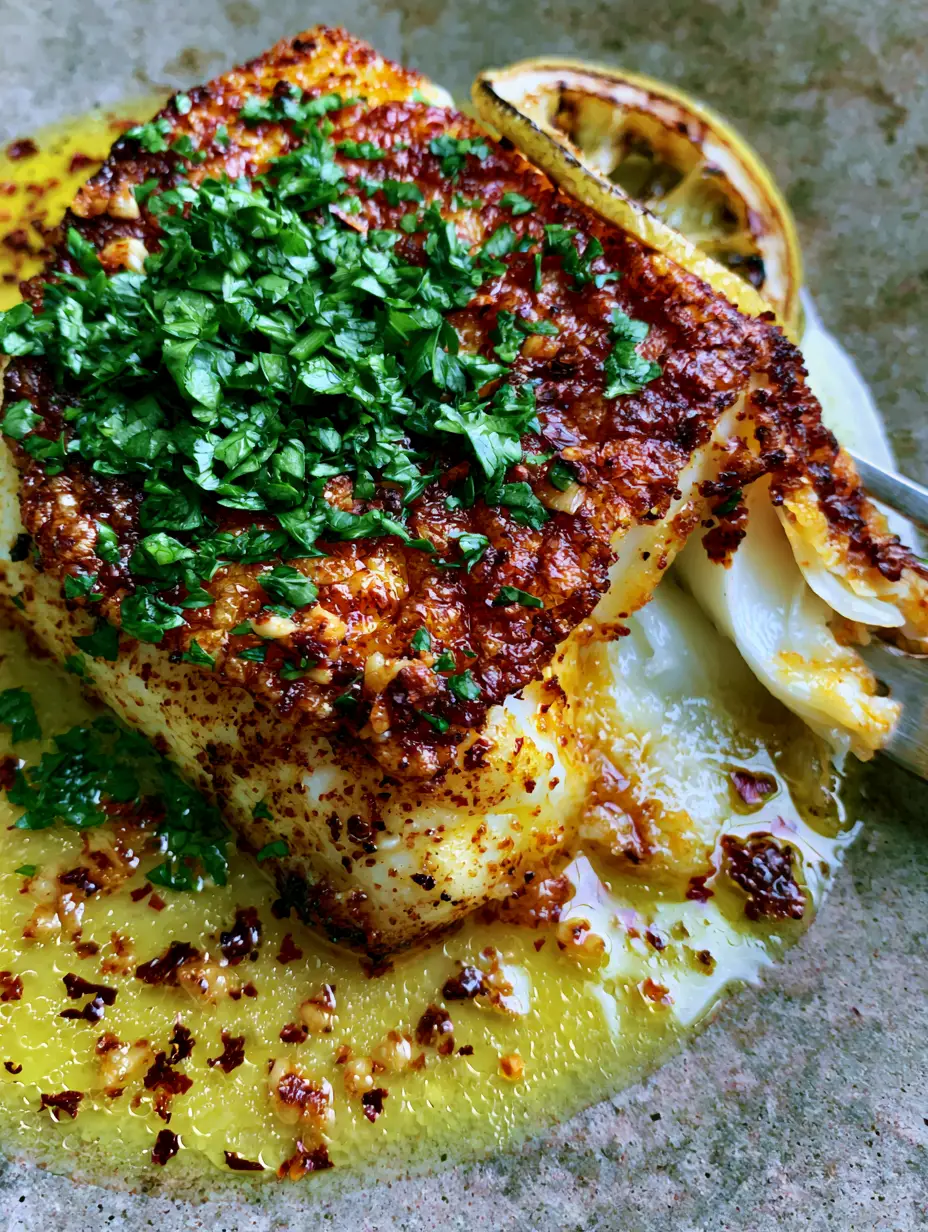
Pan-Seared Cod with Garlic Lemon Butter and a Crispy Golden Crust
Ingredients
Equipment
Method
- Pat the cod fillets extremely dry with paper towels on all sides to ensure a crispy crust.
- Generously season both sides of the fillets with sea salt and black pepper just before cooking.
- Heat oil in a skillet over medium-high heat. Place fish in the pan and sear without moving for 4-5 minutes until a deep golden-brown crust forms.
- Flip the fillets. Add butter, garlic, lemon wheels, and red pepper flakes. Spoon the foaming butter over the fish repeatedly as it finishes cooking.
- Add lemon juice in the last minute. Remove from heat and garnish with a heavy scatter of chopped parsley.
Notes
Use a fish spatula to avoid breaking the delicate, pearly flakes.
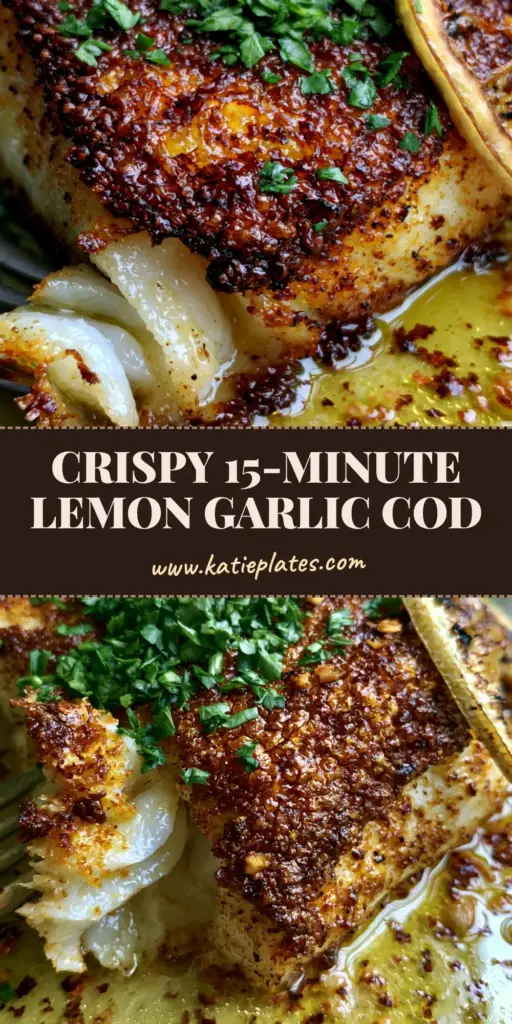
Closing Thoughts and Your Culinary Journey
Mastering the pan-seared cod is a milestone for any home cook. It combines the technical precision of high-heat searing with the delicate artistry of a butter emulsion. Once you see those pearly white flakes and taste the toasted garlic, you’ll understand why this method is the gold standard for white fish. We would love to hear how your dish turned out! Please leave a comment below, sign up for our newsletter for more pro tips, and share your beautiful creations with us on Pinterest.