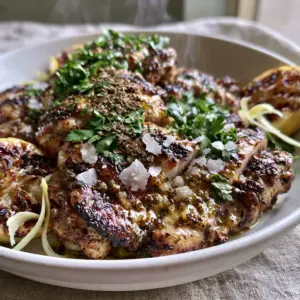
When it comes to the Greek Chicken Marinade, achieving that restaurant-quality, glistening finish is a matter of culinary science and forensic attention to detail. This isn’t just another soak; it is a meticulously engineered lemon-garlic oil emulsion designed to penetrate muscle fibers and create a dark, golden-brown crust that rivals the best tavernas in Athens.
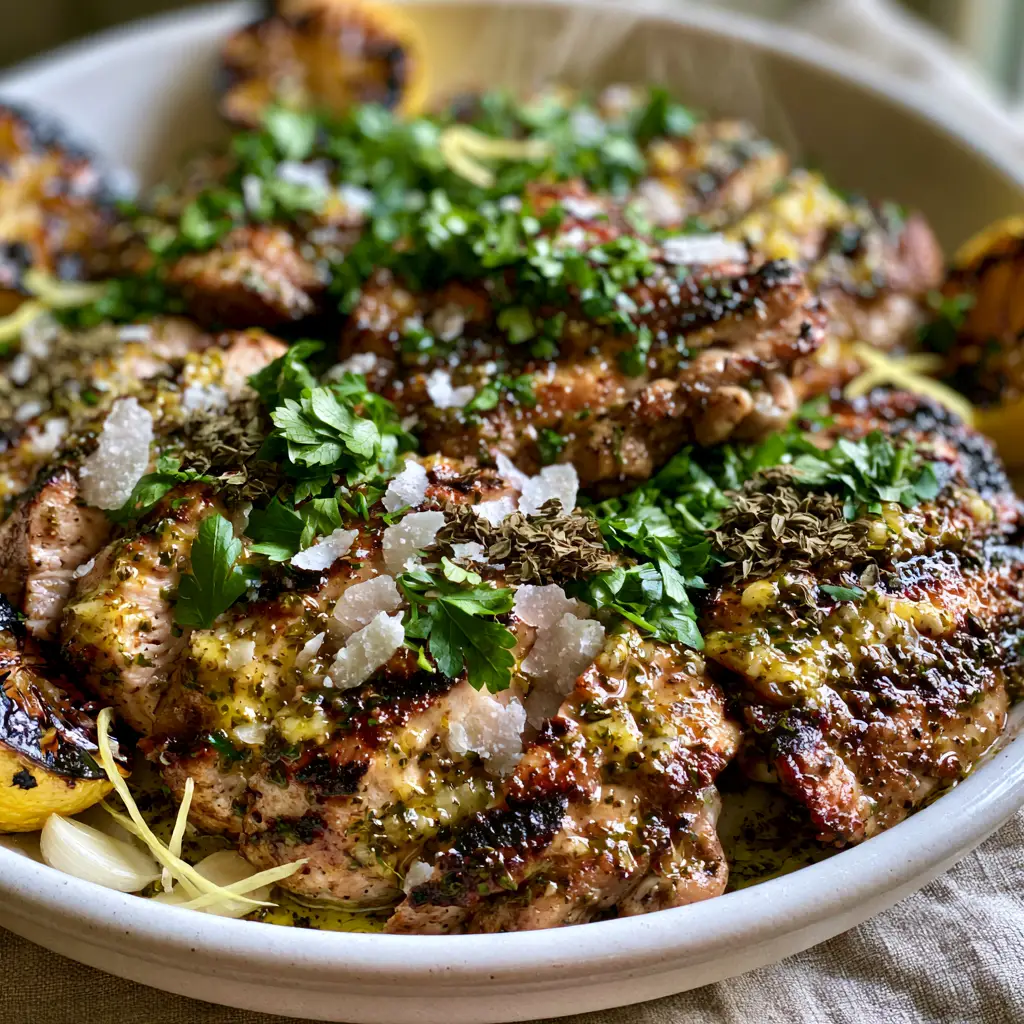
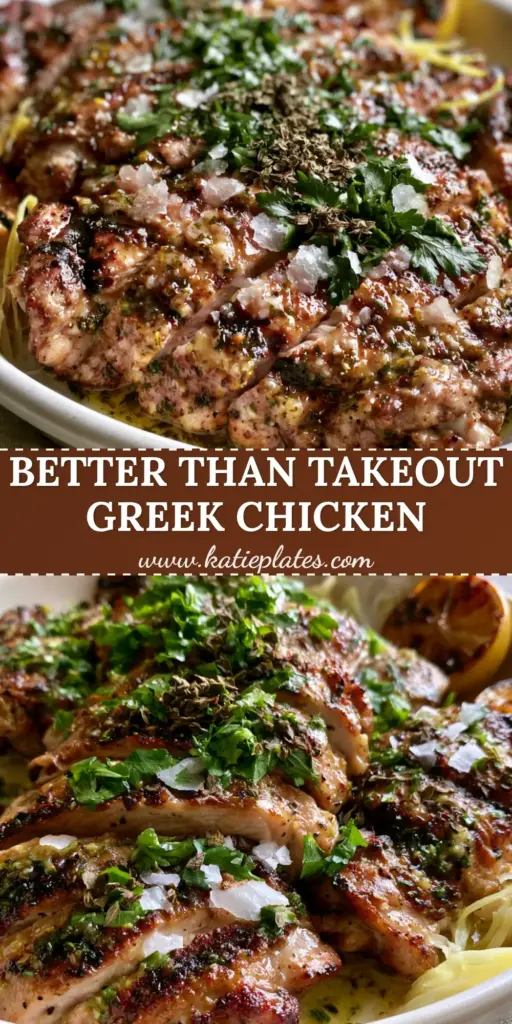
Imagine pulling your chicken off the grates, the surface flecked with dried oregano and fresh parsley, while the meat remains so juicy it literally glistens under the light. By utilizing the perfect ratio of acidity to healthy fats, we unlock the secrets to tenderizing poultry without turning it to mush.
Whether you are hosting a summer cookout or prepping a weeknight dinner, this recipe delivers a sensory experience complete with charred citrus notes and the sharp bite of raw garlic slivers. Let’s dive into the mechanics of the perfect Mediterranean sear.
Why This Mediterranean Emulsion Outperforms Every Other Recipe
- The Glistening Emulsion: Unlike thin marinades that slide off, our lemon-garlic oil emulsion clings to the chicken, creating a protective barrier that seals in moisture during high-heat cooking.
- Forensic Flavor Layers: We combine the earthy depth of dried oregano with the bright, peppery finish of freshly chopped flat-leaf parsley and cracked black pepper for a multi-dimensional profile.
- Superior Textural Contrast: The combination of high-heat charring and finishing with coarse sea salt crystals provides a satisfying crunch against the tender, succulent thigh meat.
- Visual Masterpiece: Designed for the eyes as much as the palate, the inclusion of charred lemon wedges and thin-sliced raw garlic provides a professional “plated” look to any rustic white ceramic dish.
The Anatomy of Ingredients: Achieving the Perfect Flavor Profile
Every element in this Greek Chicken Marinade serves a specific chemical purpose. To achieve the hyper-realistic textures seen in professional food photography, we must select high-quality components.
Boneless Skinless Chicken Thighs: 2 lbs (907g) of thighs are essential because their higher fat content compared to breasts allows for better browning and a more forgiving cook time. This ensures that even with dark golden-brown sear marks, the interior remains incredibly juicy.
Extra Virgin Olive Oil: 1/2 cup (120ml) provides the fat necessary to conduct heat and carry the fat-soluble flavors of the herbs deep into the meat. It also creates that characteristic glistening sheen on the final sliced chicken.
Fresh Lemon Juice and Zest: 1/4 cup (60ml) of juice acts as the primary tenderizer, breaking down tough proteins, while the zest provides the essential oils for that signature citrus aroma. Save the lemon halves for charring later!
Fresh Garlic (Dual Prep): You will need 4 cloves (20g) minced for the marinade to infuse the meat, plus 2 additional cloves (10g) sliced into paper-thin slivers for the final raw garnish. This provides both deep-cooked flavor and a sharp, fresh finish.
Dried Oregano: 1 tbsp (3g) of dried oregano is more potent than fresh in this application, offering those classic Mediterranean “flakes” that stick to the char marks for a rustic appearance.
Fresh Flat-Leaf Parsley: 1/4 cup (15g) finely chopped parsley is added at the very end. This ensures the green remains vibrant and the flavor stays herbaceous rather than becoming bitter under the heat.
Coarse Sea Salt and Cracked Black Pepper: 1 tsp (6g) of sea salt crystals in the marinade, with extra for finishing, draws out moisture to create a concentrated brine. The cracked pepper adds a localized heat that cuts through the citrus.
Essential Equipment for Professional Grilling
To replicate the visual blueprint of this dish, you need tools that can handle high heat and facilitate emulsification. A heavy-bottomed cast iron grill pan or an outdoor gas/charcoal grill is non-negotiable for those dark golden-brown char marks.
A stainless steel or glass mixing bowl is required for whisking the marinade. Avoid aluminum bowls, as the acid in the lemon juice can react with the metal, giving your chicken an unpleasant metallic tang.
Finally, a high-quality meat thermometer is your best friend. To ensure the chicken is “incredibly juicy,” you want to pull it at exactly 165°F (74°C). A sharp chef’s knife is also vital for getting those clean, uniform slices for the rustic white ceramic plate presentation.
Mastering the Sear: Step-by-Step Instructions
Creating the Lemon-Garlic Emulsion
In a medium bowl, combine the 1/2 cup (120ml) olive oil, 1/4 cup (60ml) lemon juice, and minced garlic. Whisk vigorously until the oil and juice are no longer separated; this emulsion is what creates the glistening texture on the grilled meat.
Stir in the 1 tbsp (3g) dried oregano and 1 tsp (6g) coarse sea salt. The salt will begin to dissolve into the emulsion, creating a flavorful brine that will penetrate the chicken thighs during their rest.
The Marinating Phase
Place your chicken thighs in a large resealable bag or a shallow dish and pour the Greek Chicken Marinade over them. Ensure every crevice of the thighs is coated in the herb-flecked oil.
Marinate in the refrigerator for at least 30 minutes, but no longer than 4 hours. Because of the high acidity in the lemon juice, marinating too long can actually denature the protein fibers, leading to a mealy texture.
Achieving the Perfect Char
Preheat your grill or grill pan to medium-high heat. You are looking for a surface temperature of approximately 400°F (204°C) to ensure the Maillard reaction occurs, creating those dark golden-brown sear marks without burning the herbs.
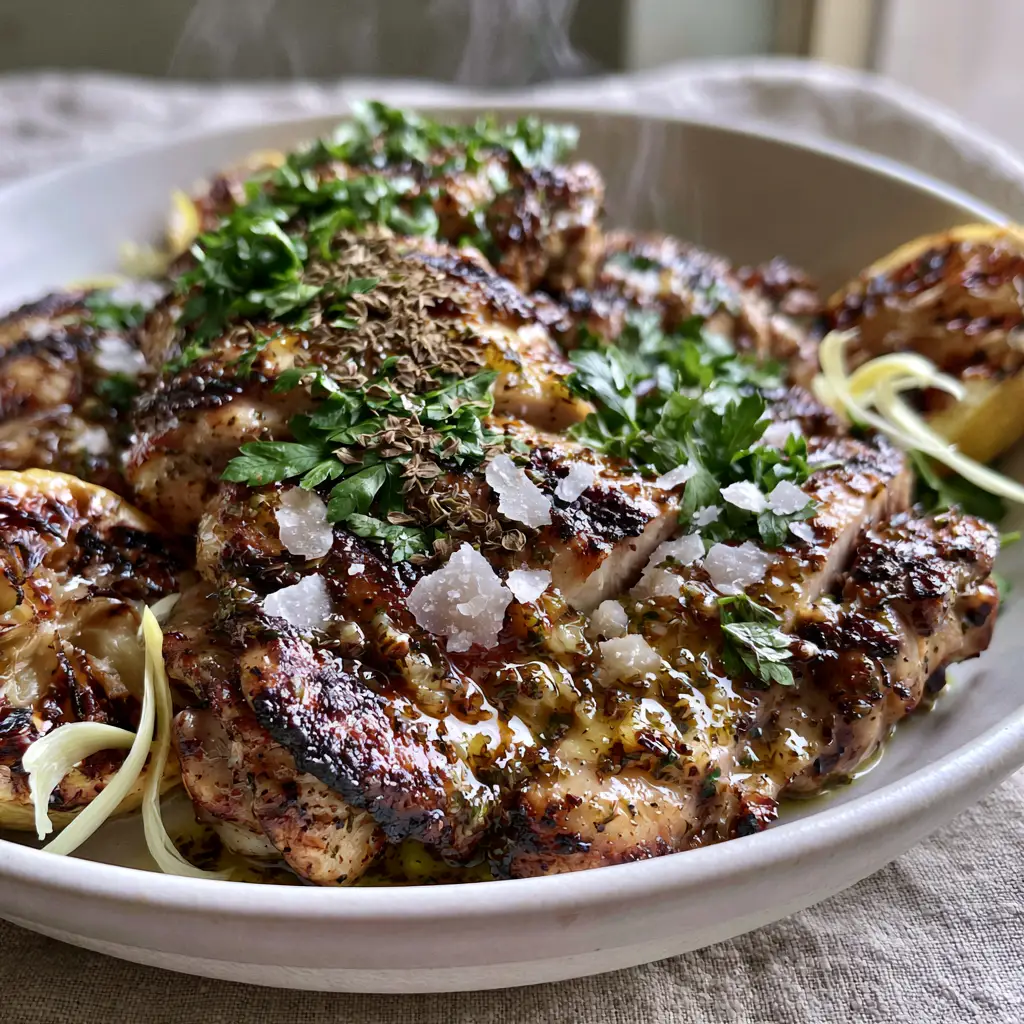
Place the chicken on the grates, shaking off excess liquid but keeping the herb flakes. Grill for 5-7 minutes per side. Do not move the chicken once it hits the pan; this stillness is what creates the defined, straight-line char marks seen in professional food photography.
Charring the Lemons and Finishing
During the last 3 minutes of cooking, place the lemon halves cut-side down on the grill. Cook until they are caramelized and have distinct black grill lines. This intensifies the sugar in the citrus and makes them extra juicy for squeezing over the final dish.
Remove the chicken and let it rest for 5 minutes. This is a critical culinary step; resting allows the juices to redistribute, ensuring that when you slice the thighs, the moisture stays inside the meat rather than running off the plate.
Expert Tips for Success
- Pat the Meat (Slightly): While you want the emulsion, if the chicken is dripping wet, it will steam rather than sear. A light tap with a paper towel before grilling helps the oil-to-heat contact.
- The “Sliver” Technique: For the raw garlic garnish, use a mandoline or a very sharp paring knife to create translucent slivers. This provides a punch of flavor that is visually stunning against the dark meat.
- Temperature Control: If your grill is too hot, the dried oregano will burn and turn bitter. If you see white smoke, turn the heat down slightly.
- The Finishing Salt: Always add a final sprinkle of coarse sea salt crystals just before serving. It catches the light and provides a crunch that table salt cannot replicate.
How to Store and Reheat Leftover Greek Chicken
If you have leftovers, store them in an airtight container for up to 3 days. To keep the chicken from drying out, store it with the charred lemon wedges; the humidity from the citrus helps maintain the meat’s moisture.
When reheating, avoid the microwave if possible, as it toughens the protein. Instead, warm the sliced chicken in a skillet over medium heat with a splash of water or extra olive oil until steam begins to rise from the pan.
You can also freeze the raw chicken in the Greek Chicken Marinade for up to 3 months. As the chicken thaws, it will undergo the marination process, making it a perfect “dump-and-go” freezer meal.
What to Serve With This Mediterranean Masterpiece
This chicken is incredibly versatile. For a complete Mediterranean feast, serve it alongside a vibrant salad or over a bed of grains. If you’re looking for more inspiration, check out our collection of Greek chicken recipes for varied flavor profiles.
If you want a heavier meal, this chicken pairs beautifully with a chicken yellow rice and black beans platter. For those who enjoy a one-pan approach, consider using these flavors in a chicken artichoke skillet.
Don’t forget dessert! After a savory, garlicky meal, a light treat like our mini cheesecake bites provides the perfect sweet finish to cleanse the palate.
Frequently Asked Questions
Yes, but be careful not to overcook them. Chicken breasts are leaner and dry out faster. Reduce the grilling time by 1-2 minutes per side and always use a thermometer to hit 165°F (74°C).
Dried oregano is actually preferred for the marinade because it stands up better to high heat and provides that classic herb-flecked look. Use fresh parsley only as a finishing garnish.
For best results, marinate for 30 minutes to 4 hours. Because the marinade contains fresh lemon juice, marinating longer than 4 hours can break down the protein fibers too much, resulting in a mushy texture.
Absolutely! It uses heart-healthy extra virgin olive oil, fresh citrus, and garlic. It is low-carb, keto-friendly, and gluten-free, making it perfect for most dietary needs.
Ensure your grill is preheated to medium-high and pat the chicken slightly so it isn’t dripping wet. The oil in the emulsion will help the sear, but excess water causes steaming instead of browning.
The Ultimate Greek Chicken Marinade Recipe
Greek Chicken Marinade for Ultra-Juicy Grilled Thighs
Ingredients
Equipment
Method
- Whisk olive oil, lemon juice, minced garlic, oregano, salt, and pepper in a bowl until a thick, glistening emulsion forms.
- Coat chicken thighs in the emulsion and refrigerate for 30 minutes to 4 hours.
- Preheat grill to medium-high. Sear chicken for 5-7 minutes per side until dark golden-brown char marks appear and internal temp reaches 165°F.
- Place lemon halves on the grill for the last 3 minutes until charred. Slice chicken into thick strips.
- Arrange on a rustic white plate, top with fresh parsley, garlic slivers, and a final pinch of sea salt.
Notes
Always rest the meat for 5 minutes before slicing to keep it juicy.
Closing & Call to Action
Mastering the Greek Chicken Marinade is a gateway to effortless, high-end Mediterranean cooking at home. The combination of glistening fats, bright acids, and charred textures creates a dish that is as visually stunning as it is delicious. The key is in the emulsion and the high-heat sear.
Did you get those perfect golden-brown char marks? We want to see your results! Leave a comment below or tag us in your photos. If you loved this recipe, be sure to save it to your favorite boards on Pinterest so you can find it whenever the Mediterranean craving strikes!