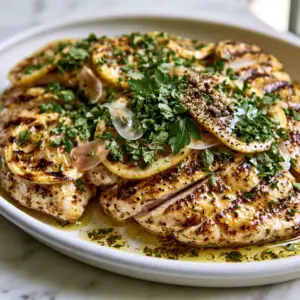
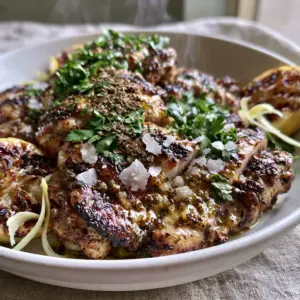
There is nothing quite like the aroma of a Mediterranean kitchen, where the scent of fresh lemons, pungent garlic, and earthy oregano fills the air. This Greek chicken marinade is designed to transform humble chicken breasts into a culinary masterpiece that looks like it stepped off a magazine cover. If you have been searching for that perfect balance of zingy acidity and savory richness, you have found it.
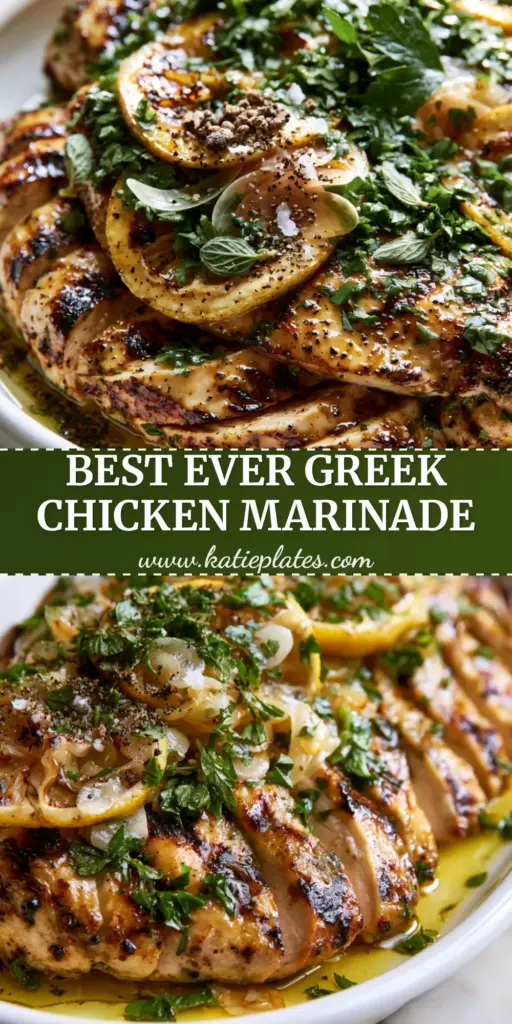
The secret to achieving the succulent, glistening texture seen in professional food photography lies in the science of the marinade itself. By combining high-quality fats with bright citrus and aromatic herbs, we create a chemical reaction that both tenderizes the meat and encourages a beautiful Maillard reaction. This results in those deep, caramelized grill marks and a moist, glistening sheen that stays juicy even after slicing.
Whether you are preparing a quick weeknight meal or hosting a summer backyard gathering, this recipe provides the foundation for dozens of Mediterranean dinner ideas. By following this guide, you will learn how to master the art of the sear, the importance of herb-infused oil pools, and the technique for perfectly charred lemon wheels.
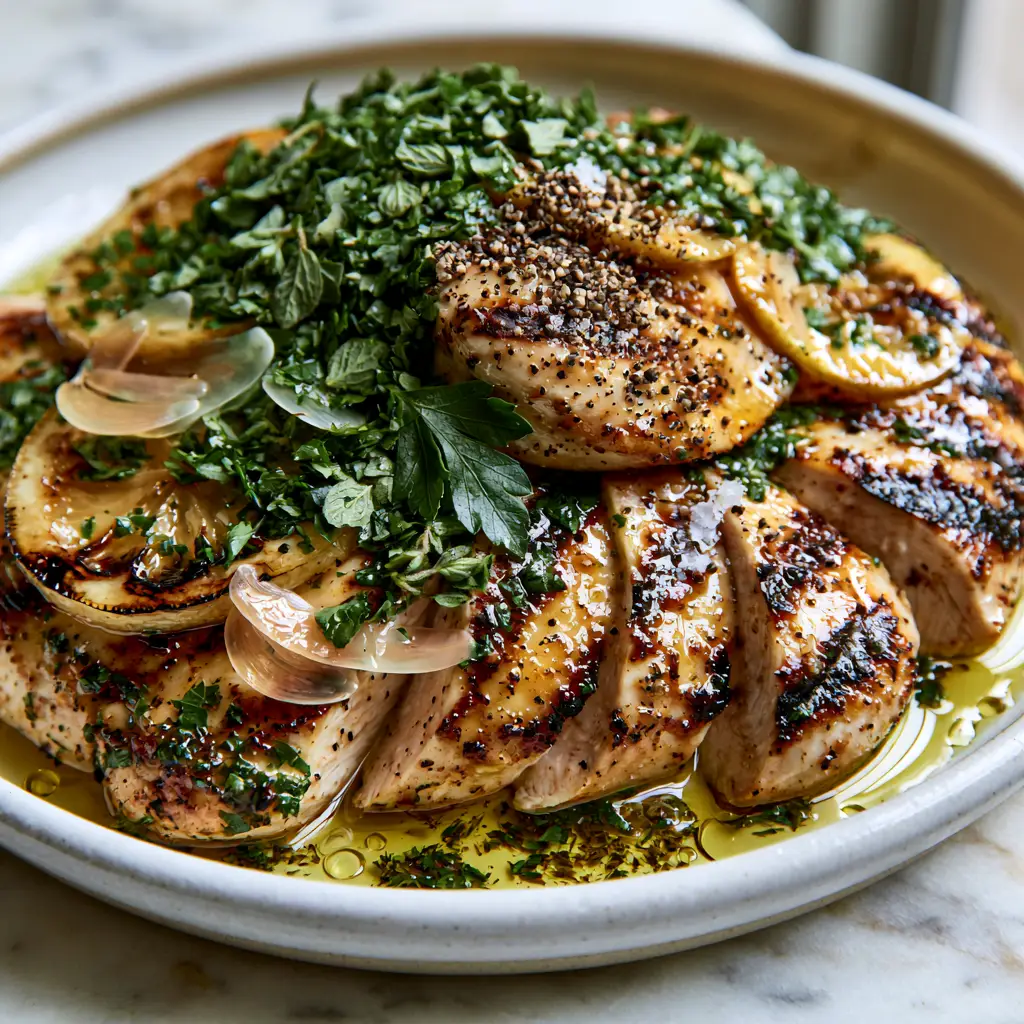
Why This Mediterranean Infusion Works Every Time
- Unrivaled Texture: The emulsified olive oil and lemon glaze creates a protective barrier, locking in juices for a succulent mouthfeel.
- Visual Brilliance: Deep, golden-brown caramelization contrasts beautifully against the vibrant green of fresh Italian parsley and translucent garlic slivers.
- Symphony of Flavors: The combination of cracked black pepper and flaky sea salt provides a textural crunch that cuts through the citrus brightness.
- Aromatic Depth: Using both dried oregano in the marinade and fresh oregano for the finish ensures layers of herbal complexity.
Essential Components for the Ultimate Greek Chicken Marinade
Chicken Breasts: We recommend 1.5 lbs (680g) of boneless, skinless breasts, pounded to even thickness. This ensures consistent cooking and maximum surface area for the marinade to penetrate.
Extra Virgin Olive Oil: You will need 1/2 cup (120ml) of high-quality oil to serve as the fat base. It carries the fat-soluble flavors of the herbs deep into the muscle fibers and creates those signature herb-infused oil pools.
Fresh Lemon Juice and Zest: Use 1/4 cup (60ml) of juice and the zest of one lemon. The citric acid acts as a gentle denaturant, tenderizing the protein while providing a sharp, clean finish.
Fresh Garlic: 6 cloves are required—4 minced for the marinade and 2 sliced into translucent slivers for the garnish. Fresh garlic provides a pungent, spicy kick that mellows into sweetness when seared.
Dried and Fresh Oregano: Use 1 tbsp (3g) of dried oregano for the soak and 2 tbsp (5g) of fresh chopped oregano for the final presentation. This dual-layered approach is a hallmark of authentic Greek cooking.
Italian Flat-Leaf Parsley: 1/4 cup (15g) of finely chopped parsley adds a grassy, fresh element. It provides a color pop that breaks up the golden tones of the seared meat.
Lemon Slices: One whole lemon, sliced into thin wheels, is essential for charring. These charred wheels release a concentrated, smoky citrus oil that seasons the chicken as it rests.
Seasoning Essentials: 1 tsp (6g) of flaky sea salt and 1/2 tsp (2g) of coarsely cracked black pepper. These are not just seasonings; they are textural elements that catch the light and provide a final flavor punch.
Professional Tools for a Flawless Sear
To achieve the visual recipe blueprint, you need a heavy-bottomed skillet, preferably cast iron or a high-quality grill pan. The thermal mass of cast iron is critical for creating deep, caramelized grill marks without overcooking the interior of the meat. You will also need a sharp chef’s knife for creating those translucent garlic slivers and a whisk to emulsify the marinade into a glossy glaze.
Don’t forget a set of stainless steel tongs. These allow you to press the chicken firmly against the pan surface, ensuring even contact and a superior crust. If you are looking for other high-heat cooking techniques, you might enjoy our one-pan chicken skillet for similar flavor profiles.
Step-by-Step Evolution of the Greek Chicken Marinade
1. Emulsifying the Golden Glaze
In a medium glass bowl, whisk together the 1/2 cup (120ml) of olive oil, 1/4 cup (60ml) of lemon juice, minced garlic, and dried oregano. Whisk vigorously until the oil and acid are fully emulsified into a thick, glossy liquid. This ensures the Greek chicken marinade coats every inch of the protein rather than separating during the cooking process.
2. The Controlled Marination Phase
Place your prepared chicken breasts into a large resealable bag or a shallow dish. Pour two-thirds of the marinade over the meat, reserving the remaining third for basting. Allow the chicken to sit for at least 30 minutes, but no more than 4 hours. The acid in the lemon juice will eventually turn the meat mushy if left too long, so keep a close eye on the clock.
3. Achieving the Perfect Sear and Grill Marks
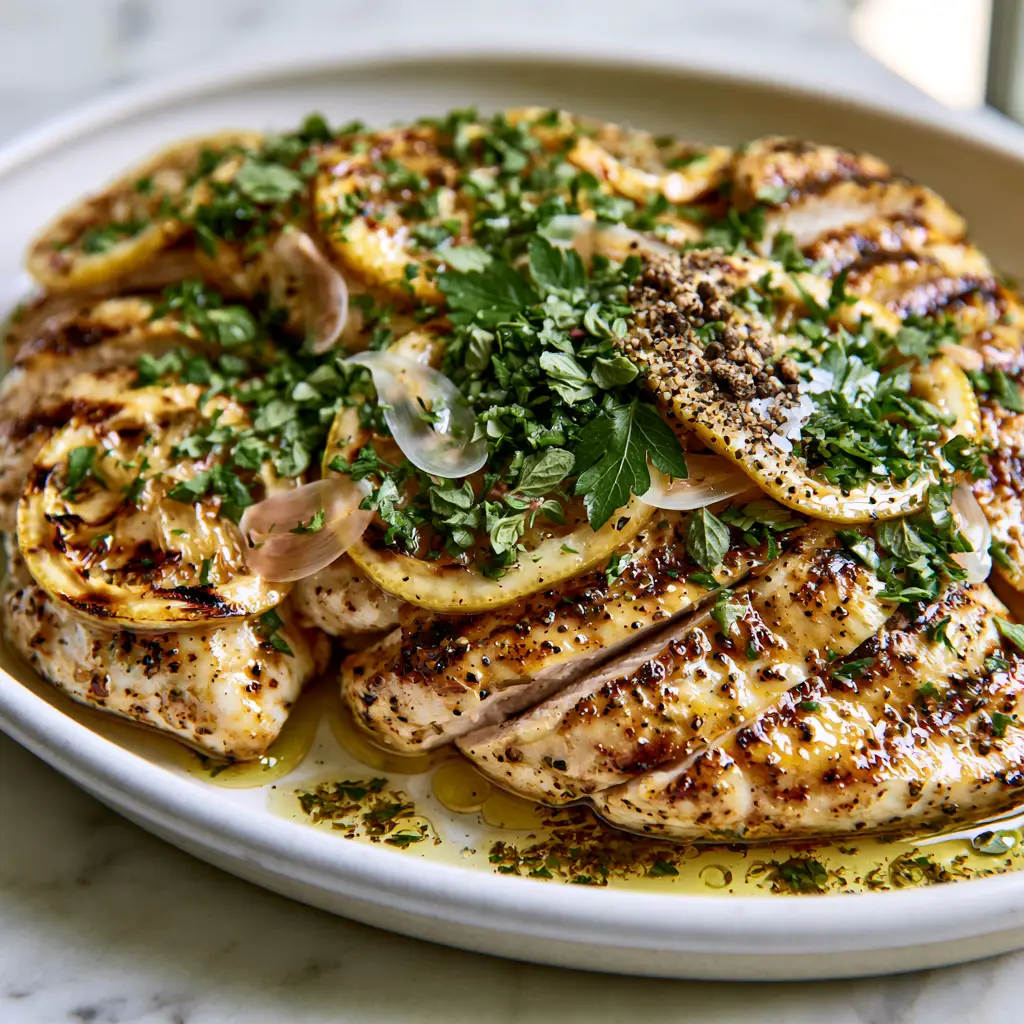
Heat your skillet over medium-high heat with 1 tbsp (15ml) of oil until it begins to shimmer and reach its smoke point. Place the chicken in the pan—you should hear a loud, aggressive sizzle immediately. Press down slightly and cook for 5-7 minutes without moving the meat. This patience is what creates the deep, caramelized grill marks described in our visual prompt.
4. Charring the Lemons and Basting
Flip the chicken and immediately add the thin lemon wheels to the empty spaces in the pan. As the chicken finishes cooking, the lemons will soften and develop dark, blackened edges. Drizzle the reserved marinade over the chicken during the last 2 minutes of cooking. This creates the glossy golden glaze and the fine droplets of olive oil that pool at the base of the dish.
5. The Final Herb Infusion and Presentation
Remove the chicken and let it rest for 5 minutes before slicing into succulent strips. Place the slices in a shallow ceramic dish and pour any pan juices over the top. Scatter the translucent garlic slivers, chopped fresh oregano, and flat-leaf parsley generously. Finish with a heavy sprinkle of cracked black pepper and a pinch of flaky sea salt to catch the light.
Expert Tips for Culinary Excellence
- Room Temperature Meat: Take the chicken out of the fridge 15 minutes before cooking. This ensures the heat penetrates the center quickly, maintaining a moist, glistening sheen.
- Dry the Surface: Before placing the chicken in the pan, use a paper towel to pat away excess moisture from the marinade. This promotes better browning and prevents steaming.
- The Resting Period: Never skip the 5-minute rest. This allows the muscle fibers to relax and reabsorb the herb-infused oil, resulting in a succulent texture when sliced.
- Fresh vs. Dried: Always use fresh parsley and fresh garlic for the garnish. The “raw” heat of fresh garlic slivers provides a beautiful contrast to the cooked components.
Storing and Reheating Your Mediterranean Chicken
Leftover chicken can be stored in an airtight container in the refrigerator for up to 3 days. To maintain the succulent texture, reheat the chicken gently in a skillet over low heat with a splash of chicken broth or a drizzle of olive oil. Avoid the microwave if possible, as it can turn the delicate meat rubbery and dull the glossy glaze.
This marinated chicken also freezes exceptionally well. You can freeze the chicken directly in the Greek chicken marinade for up to 3 months. When you are ready to cook, thaw it in the fridge overnight; the meat will marinate as it defrosts, saving you time and effort.
Perfect Pairings for a Complete Feast
This chicken is incredibly versatile and pairs beautifully with various textures and grains. For a hearty meal, serve these succulent slices over yellow rice or alongside a crisp cucumber and tomato salad. If you are in the mood for something different, the bright citrus notes also complement seared seafood dishes on a shared platter.
For those exploring global flavors, the garlic and herb profiles here bridge well with traditional African sides, such as a fresh starch or a vibrant vegetable stew. The acidity of the lemon glaze acts as a perfect palate cleanser for richer, spice-forward dishes.
Frequently Asked Questions
Yes, this is an excellent meal-prep strategy. Place the chicken and marinade in a freezer-safe bag for up to 3 months. Thaw in the refrigerator before cooking; the meat will marinate perfectly during the thawing process.
Absolutely! Chicken thighs are more forgiving and remain very juicy. You may need to increase the cook time by 2-3 minutes per side to ensure they are fully cooked through.
Ensure your pan is preheated until shimmering hot and pat the chicken dry before adding it to the pan. Once the chicken is down, do not move it for at least 5 minutes to allow the sugars to caramelize.
For the best results, marinate the chicken for 30 minutes to 2 hours. While you can go up to 4 hours, the lemon juice in the Greek chicken marinade will eventually break down the protein fibers too much, causing a mushy texture.
Yes. The dried oregano stands up to the heat of the cooking process, while the fresh oregano added at the end provides a bright, aromatic top note that completes the visual and flavor profile.
The Ultimate Greek Chicken Marinade Recipe Card
Greek Chicken Marinade for Succulent, Golden-Brown Results
Ingredients
Equipment
Method
- Whisk olive oil, lemon juice, minced garlic, and dried oregano until a glossy glaze forms.
- Coat chicken in the mixture and refrigerate for 30 minutes to 4 hours.
- Place chicken in a hot skillet for 5-7 minutes per side until deep golden-brown grill marks appear.
- Add lemon slices to the pan during the last few minutes of cooking until charred and translucent.
- Rest the chicken for 5 minutes, then slice into succulent strips.
- Top with garlic slivers, fresh herbs, sea salt, pepper, and the remaining glaze/oil pools.
Notes
Use fresh garlic for the garnish to provide a sharp, aromatic contrast to the seared meat.
Bring the Mediterranean to Your Table
Mastering this Greek chicken marinade is a gateway to effortless, high-quality home cooking. The combination of charred citrus, fresh herbs, and perfectly seared protein creates a dish that is as visually stunning as it is delicious. We invite you to try this recipe and experience the difference that professional techniques like emulsification and proper searing can make.
If you enjoyed this recipe, please leave a comment below and let us know how your grill marks turned out! Don’t forget to share your creations and follow us on Pinterest for more culinary inspiration. Happy cooking!