Mastering the perfect Chinese recipe at home often feels like chasing a ghost. You want that specific combination of ultra-tender meat, a sauce that clings like liquid gold, and vegetables that retain their vibrant snap. If you have ever wondered why home-cooked stir-fries often turn out watery or the chicken feels “rubbery,” the secret lies in a professional technique called velveting.
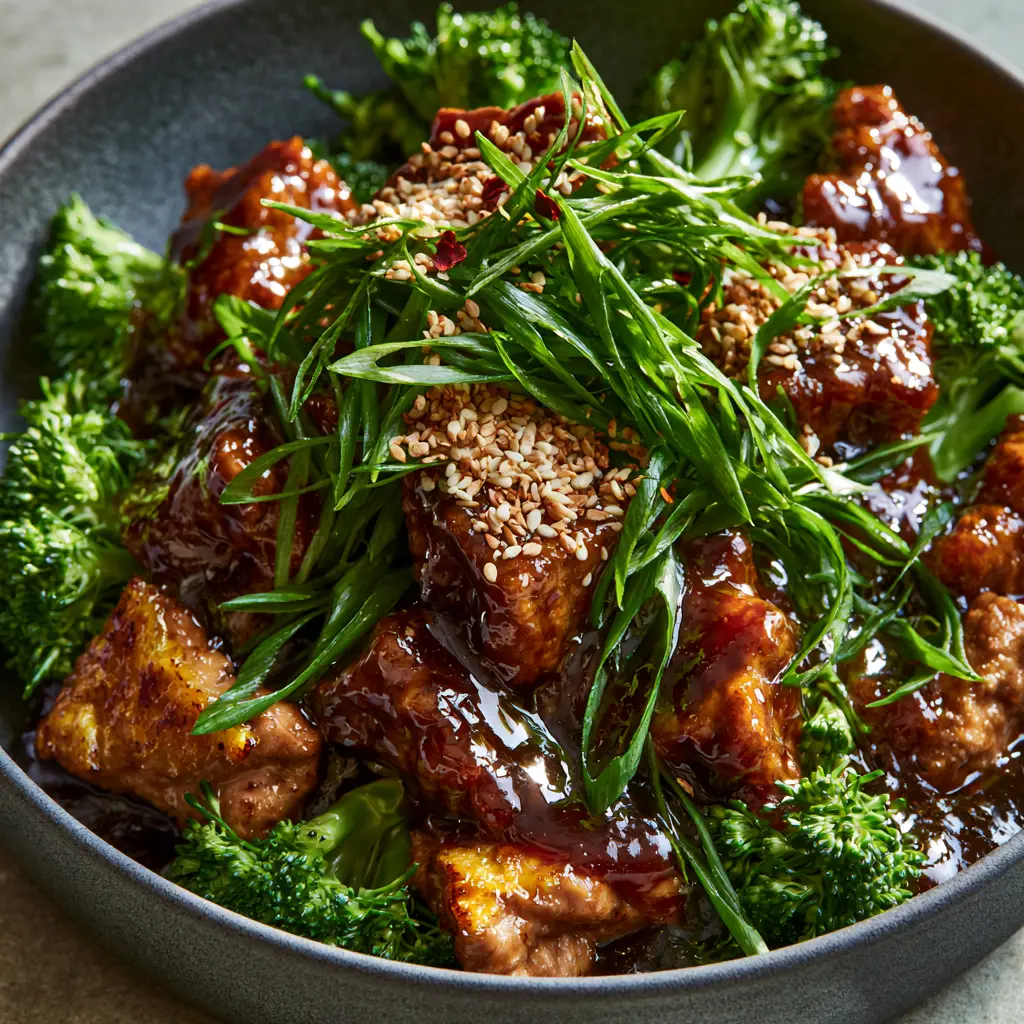
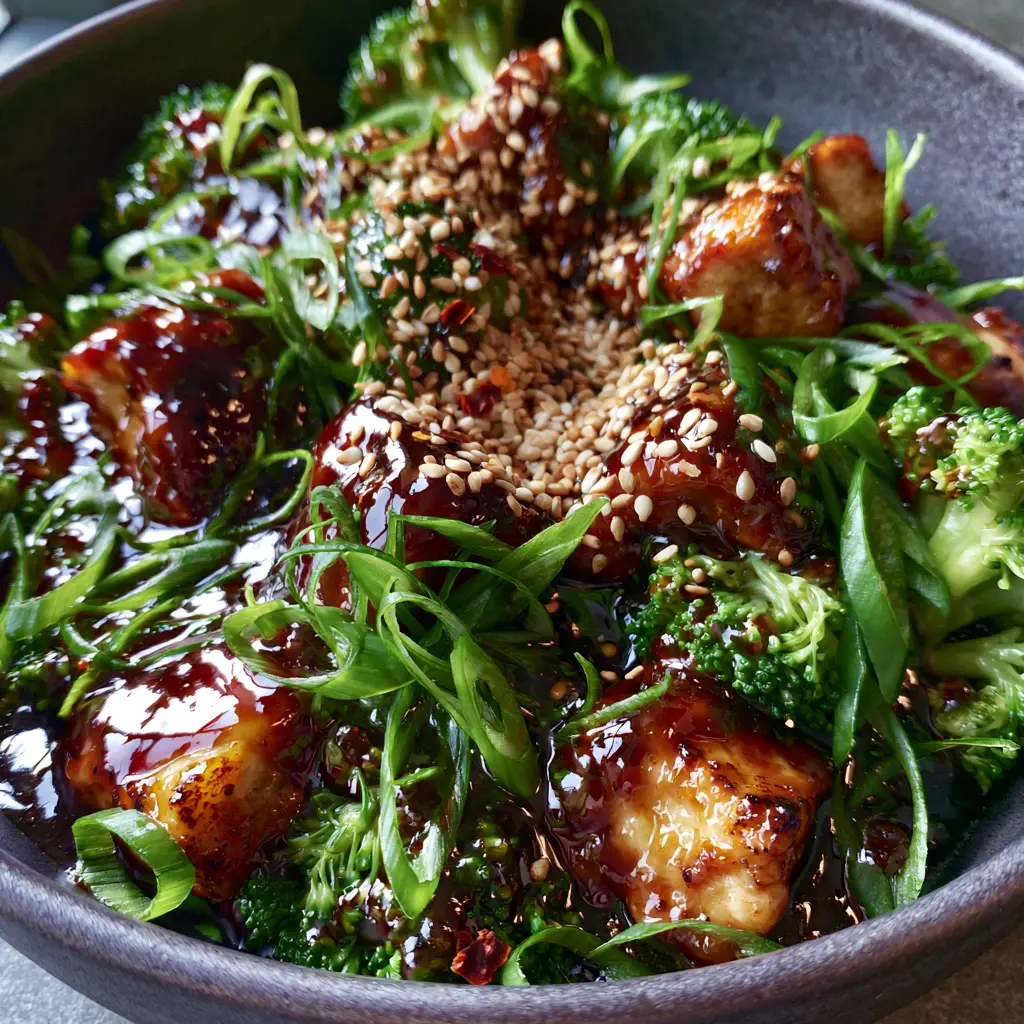
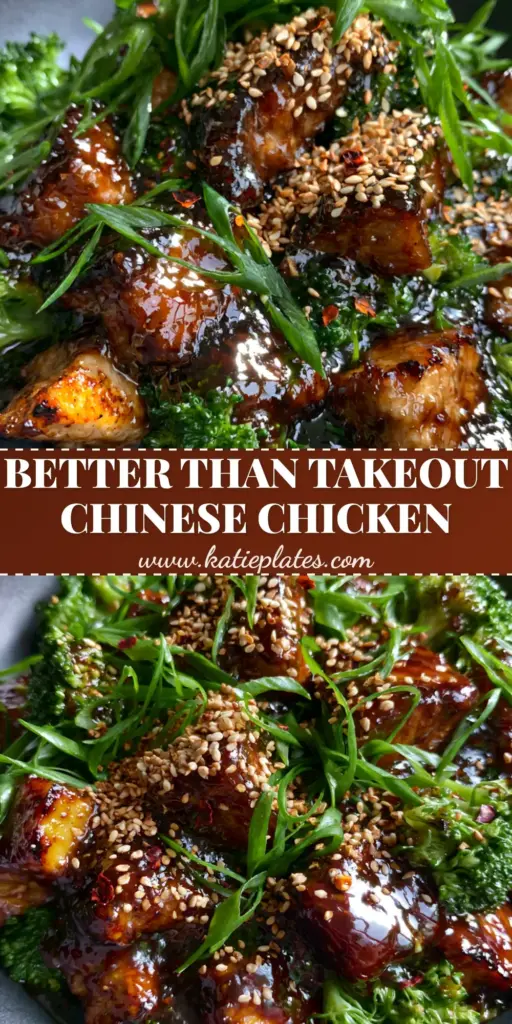
This particular Chinese recipe focuses on achieving a specific visual and textural masterpiece: succulent chicken breast cubes with seared golden-brown edges, draped in a thick, glossy dark amber stir-fry sauce. We are moving beyond basic sautéing and into the realm of culinary forensics to recreate the high-end restaurant experience in your own kitchen.
Every element of this dish, from the heavy scatter of vibrant green scallions to the honey-like viscosity of the savory glaze, has been engineered for maximum flavor impact. Whether you are a fan of homemade takeout or looking to expand your repertoire of authentic Asian flavors, this guide provides the technical deep-dive you need.
Why This Specific Chinese Recipe Works
- The Velveting Bridge: By using a cornstarch and egg white marinade, we create a protective barrier that keeps the chicken breast miraculously juicy even at high heat.
- Extreme Gloss Viscosity: The sauce is designed with a specific sugar-to-starch ratio to achieve that “honey-like” reflection seen in professional food photography.
- Textural Contrast: We pair the silky, soft texture of the chicken with the structural crunch of perfectly steamed broccoli florets.
- Maillard Sophistication: Unlike boiled-looking stir-fry meats, our method ensures seared golden edges that provide a deep, toasted flavor profile.
Essential Pantry Staples for a Perfect Chinese Recipe
To achieve the dark amber hue and savory depth described in our visual blueprint, you cannot simply use “soy sauce.” You need a layered approach to salinity and color. Foundational ingredients are the silent heroes of this Chinese recipe.
1 lb (450g) Chicken Breast: Use fresh, high-quality breast meat cut into uniform 1-inch (2.5cm) cubes to ensure even cooking and maximum surface area for the glaze to cling to.
2 tbsp (30ml) Oyster Sauce: This provides the “dark amber” base and the essential savory-sweet funk that defines high-quality stir-fry sauces.
1 tbsp (15ml) Dark Soy Sauce: Distinct from light soy sauce, this is used primarily for that deep, rich mahogany color without over-salting the dish.
1 tbsp (15g) Honey or Brown Sugar: This is the secret to the “honey-like viscosity” and the way the sauce reflects light in the bowl.
2 cups (150g) Broccoli Florets: Ensure these are cut into bite-sized pieces so they steam quickly and maintain their bright green color.
1 tbsp (8g) Cornstarch: Used twice—once for the velveting process and once to thicken the sauce into a glossy coating.
Foundational Aromatics: You will need 3 cloves of minced garlic and 1 tbsp (15g) of grated fresh ginger to provide the aromatic backbone common in balanced poultry dishes.
The Technical Equipment for Professional Results
Achieving the seared golden-brown edges mentioned in the Midjourney prompt requires specific heat management. A carbon steel wok is ideal, but a heavy-bottomed cast iron or stainless steel skillet is a fantastic substitute for home cooks.
You will also need a steamer basket (or a fine-mesh sieve over a pot) to prepare the broccoli separately. This prevents the vegetables from releasing excess water into the sauce, which would ruin the glossy, thick consistency we are aiming for.
Finally, prepare a minimalist charcoal grey matte ceramic bowl for plating. The dark, neutral background makes the vibrant greens of the scallions and the amber glow of the sauce pop with professional intensity.
The Secret Technique to Silky Velveted Chicken
Step 1: The Velveting Marinade
In a medium bowl, whisk together 1 large egg white, 1 tbsp (8g) cornstarch, 1 tsp (5ml) toasted sesame oil, and a pinch of salt. Toss the chicken cubes in this mixture until thoroughly coated. Let it rest for at least 20 minutes in the refrigerator.
This process creates a microscopic “jacket” around the meat. When the chicken hits the hot oil, this coating sets instantly, trapping the juices inside and preventing the proteins from tightening and becoming tough.
Step 2: Steaming for Color Preservation
While the chicken marinades, bring an inch of water to a boil in a pot. Place your broccoli florets in a steamer basket and cover. Steam for exactly 3-4 minutes until they are “tender-crisp” and vibrant green.
Immediately shock them in ice water if you aren’t serving right away, or set them aside. This ensures they don’t turn mushy or brown when combined with the hot sauce later.
Step 3: Achieving the Golden Sear
Heat 2 tbsp (30ml) of high-smoke-point oil (like peanut or vegetable oil) in your skillet over medium-high heat until it just begins to shimmer. Add the chicken in a single layer, leaving space between the cubes.
Resist the urge to stir immediately! Let the chicken sit for 90 seconds to develop those seared golden-brown edges. Once a crust has formed, flip and cook for another 2 minutes until the chicken is just barely cooked through.
Step 4: Building the Amber Glaze
Lower the heat to medium. Add your minced garlic, grated ginger, and a pinch of dried red chili flakes. Stir-fry for 30 seconds until fragrant, being careful not to burn the garlic.
Whisk together your “Sauce Base”: 1/2 cup (120ml) chicken broth, the oyster sauce, dark soy sauce, honey, and 1 tsp (4g) of cornstarch. Pour this into the pan. The sauce will rapidly bubble and transform from a thin liquid into a thick, translucent, glossy glaze.
Step 5: The Final Assembly
Toss the steamed broccoli into the pan along with the chicken. Fold everything together gently so every nook and cranny of the broccoli and every seared edge of the chicken is coated in the amber sauce. The viscosity should be thick enough to coat a spoon without running off instantly.
Expert Tips for Success
- Don’t Crowd the Pan: If you add too much chicken at once, the temperature drops, and the meat will steam in its own juices rather than searing. Cook in batches if necessary.
- Freshness Matters: Use freshly grated ginger rather than the bottled kind. The gingerol in fresh ginger helps tenderize the meat further.
- The Shine Factor: If your sauce looks dull, whisk in 1 tsp (5ml) of neutral oil at the very end. This “emulsifies” the surface for that smartphone-photo-ready glow.
- Rice Prep: Serve this over fluffy jasmine rice. For a change of pace, you might also enjoy these flavors alongside traditional spicy noodles.
Plating for Visual Impact
Transfer the mixture into your charcoal grey ceramic bowl. Arrange the broccoli so the bright green florets are nestled between the succulent chicken cubes. The contrast against the dark bowl is essential for the aesthetic described in our blueprint.
Finish with a heavy scatter of thinly sliced fresh scallions (green parts only) for a hit of freshness. Dust a generous tablespoon of toasted white sesame seeds over the top, and add a few extra dried red chili flakes for a pop of color and a hint of heat.
Storage, Reheating & Freezing
This Chinese recipe is best enjoyed immediately to appreciate the contrast between the seared chicken and crisp broccoli. However, leftovers can be stored in an airtight container for up to 3 days.
When reheating, add a splash of water or chicken broth to the pan. The cornstarch in the sauce will thicken as it cools, so you need that extra moisture to bring back the “honey-like” viscosity without the sauce becoming gummy.
What to Serve With This Chinese Recipe
While fluffy jasmine rice is the classic pairing, you can build a full feast by adding other textures. If you’re looking for a lighter side, an avocado-based salad can provide a creamy contrast to the salty glaze. For those who love fusion, these chicken cubes actually work wonderfully inside a fusion-style wrap the next day.
If you’re hosting a dinner party, start with a light seared tuna appetizer to keep the “seared” theme consistent throughout the meal.
Frequently Asked Questions
Yes, chicken thighs work beautifully. They are naturally juicier but still benefit from the velveting process to achieve that classic Chinese restaurant texture.
Glossiness comes from the combination of honey (or sugar) and a cornstarch slurry. For an extra sheen, whisk in a teaspoon of oil at the very end to emulsify the sauce.
Dark soy sauce is essential for the deep amber color and rich viscosity. If you only have regular soy sauce, the flavor will be similar, but the dish will look much lighter.
The secret is a marinade of egg white and cornstarch. This creates a protective coating that keeps the chicken breast moist and silky while allowing the outside to sear to a golden brown.
To keep broccoli vibrant green and crisp, steam it separately for only 3-4 minutes and add it to the sauce at the very last second. Overcooking it in the sauce will turn it dull and soft.
The Master Chinese Recipe: Velveted Chicken & Broccoli
Chinese Recipe: The Ultimate Glossy Velveted Chicken and Broccoli Stir-Fry
Ingredients
Equipment
Method
- Whisk egg white, 1 tbsp cornstarch, and sesame oil in a bowl. Toss chicken cubes to coat. Refrigerate for 20 minutes to velvet.
- Steam broccoli florets for 3-4 minutes until bright green and tender-crisp. Set aside.
- Heat oil in a wok over medium-high heat. Add chicken in one layer and sear for 90 seconds until golden-brown edges form. Flip and cook 2 minutes more.
- Reduce heat to medium, add garlic, ginger, and chili flakes. Stir for 30 seconds until fragrant.
- Whisk broth, oyster sauce, dark soy, honey, and 1 tsp cornstarch. Pour into pan. Stir until the sauce becomes a thick, glossy amber glaze.
- Toss in steamed broccoli. Fold to coat everything in the honey-like sauce. Serve immediately over jasmine rice in a charcoal bowl.
Notes
Ensure the wok is shimmering hot before adding chicken to get the golden sear without overcooking the center.
Closing & Call to Action
Creating a restaurant-quality Chinese recipe at home is all about mastering the details—the velveting, the sear, and the sauce viscosity. This dish isn’t just a meal; it’s a sensory experience that combines the visual beauty of dark amber glazes with the structural perfection of professional culinary technique.
If you enjoyed this recipe, please leave a comment below and let us know how your velveting turned out! Don’t forget to follow us and save this recipe to your favorite boards on Pinterest for your next weeknight dinner.