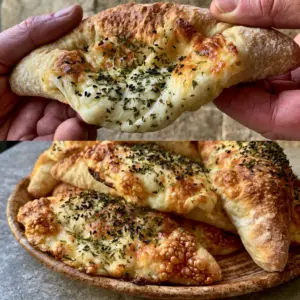
There is nothing quite like the sensory experience of a fresh, warm Cheese Fatayer straight from the oven. If you have ever walked through a Levantine bakery, the aroma of yeasty dough and bubbling salty cheese is unmistakable. This recipe captures that exact moment, delivering a bakery-quality experience in your own kitchen.
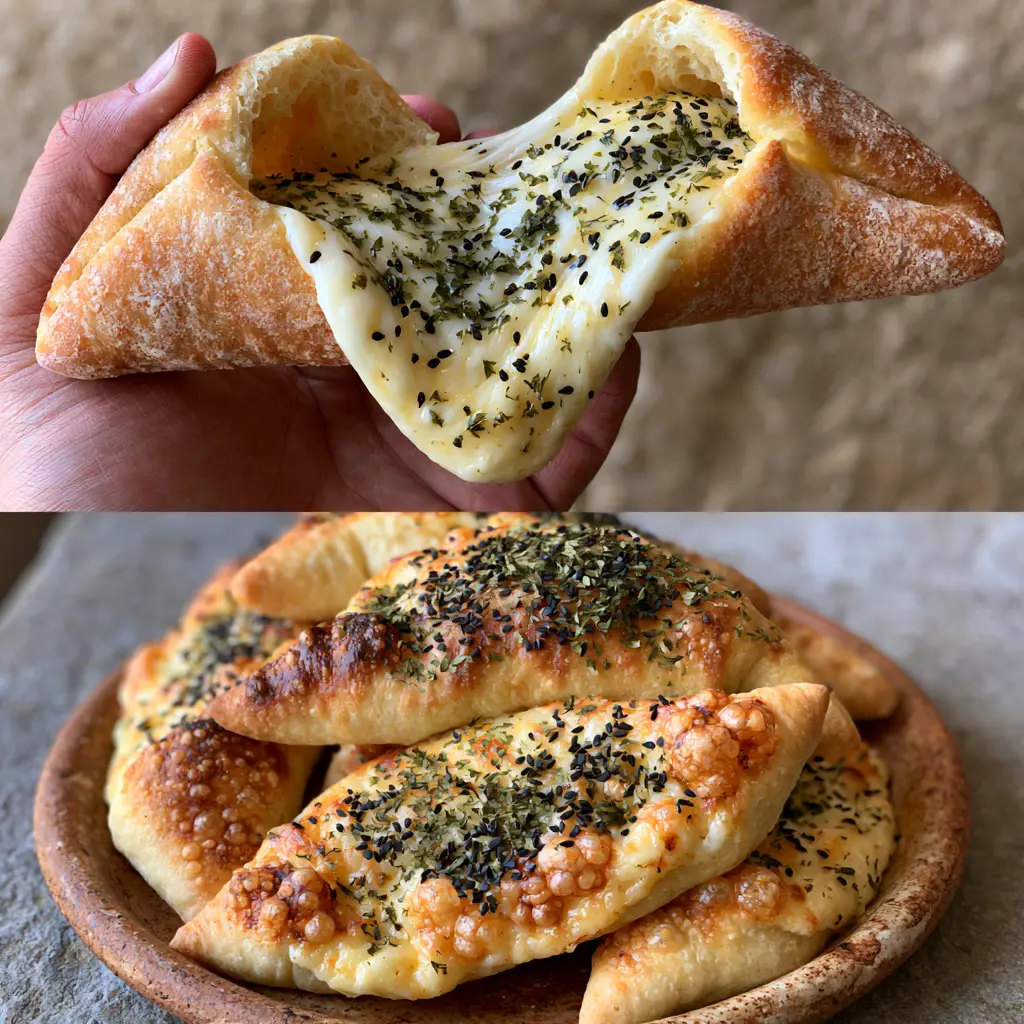
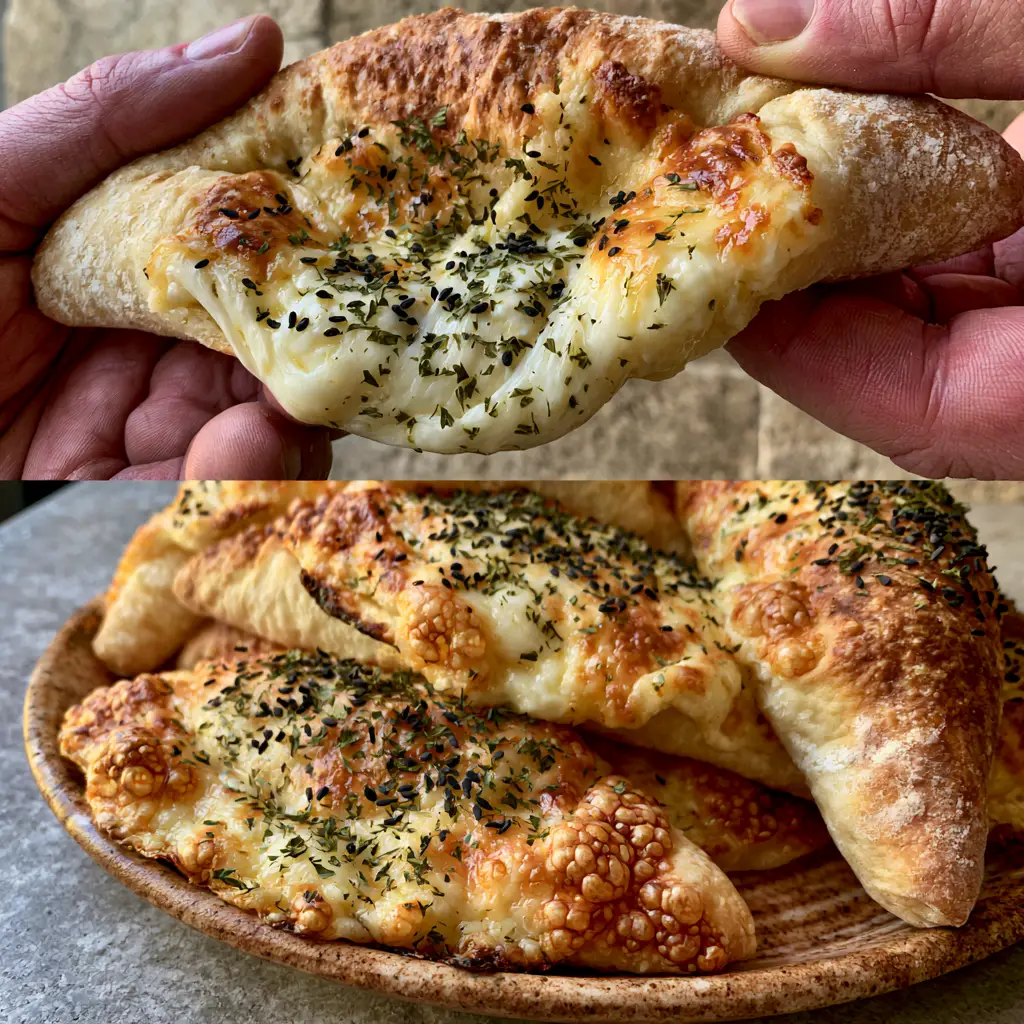
Our visual inspiration for this dish is a vertical split-screen masterpiece. Imagine a hand pulling apart a soft, boat-shaped pastry to reveal an epic, stretchy, gooey cheese pull of molten white Akawi and mozzarella. The bottom of our vision shows a pile of golden-brown fatayers with pillowy dough and slightly charred, bubbly edges.
The aesthetic is completed with a generous scattering of black nigella seeds and fine dried parsley flakes against a flour-dusted, matte finish. Whether you are serving this for breakfast or as part of a larger spread, this Cheese Fatayer is the gold standard of Middle Eastern comfort food.
Why This Lebanese Cheese Fatayer Is a Household Favorite
- The Ultimate Cheese Pull: By blending salty Akawi with low-moisture mozzarella, we achieve a flavor profile that is both complex and incredibly stretchy.
- Masterful Pillowy Texture: The leavened dough is engineered for a soft, airy bread crumb that remains tender even after cooling.
- Visual Gourmet Appeal: The contrast of black nigella seeds against golden-brown pastry creates a professional, artisanal look.
- Authentic Flavor Profile: We use traditional soaking methods for the cheese to balance saltiness with the sweet, yeasty notes of the dough.
The Essential Ingredients for Authentic Cheese Fatayer
Every component of the Cheese Fatayer serves a specific culinary purpose. To achieve the forensic accuracy of our visual blueprint, we must select the right building blocks.
High-Protein Bread Flour: 4 cups (500g). Bread flour provides the gluten structure necessary for that “airy bread crumb” seen in our split-screen visual.
Active Dry Yeast: 2 tsp (7g). This is the leavening agent that transforms a flat disc of dough into a pillowy, golden-brown boat.
Warm Water: 1.25 cups (300ml). Essential for hydrating the flour and activating the yeast; ensure it is between 105°F and 110°F (40°C-43°C).
Granulated Sugar: 1 tbsp (12g). Sugar feeds the yeast and aids in the “toasted pastry edges” by encouraging the Maillard reaction during baking.
Extra Virgin Olive Oil: 3 tbsp (45ml). This fat softens the crumb and gives the dough its signature matte, flour-dusted finish after handling.
Akawi Cheese: 1.5 cups (250g). A traditional Middle Eastern unripened brine cheese that provides a unique salty punch and semi-soft texture.
Low-Moisture Mozzarella: 1.5 cups (250g). While Akawi provides flavor, mozzarella provides the “molten white” stretchy pull that is the star of our visual prompt.
Nigella Seeds: 1 tbsp (10g). These small black seeds offer an onion-like pungency and provide the “scattered black seeds” visual requirement.
Dried Parsley Flakes: 1 tsp (2g). Fine green flakes add a pop of color and a subtle earthy finish to the rich cheese filling.
Fine Sea Salt: 1 tsp (6g). Used in the dough to regulate yeast activity and enhance the natural sweetness of the wheat.
Professional Equipment for the Perfect Bake
To achieve the “slightly charred bubbly edges” described in our visual blueprint, you need high, consistent heat. A heavy-duty baking sheet is the minimum, but a preheated pizza stone or baking steel is the secret to professional results.
You will also need a large mixing bowl for the dough’s first rise and a clean workspace for shaping the “boat-shaped Lebanese cheese fatayer.” A pastry brush is helpful for applying a light oil coating, though our visual prompt calls for a matte, flour-dusted finish, so we will use flour sparingly during the final stretch.
How to Master the Cheese Fatayer Dough
Activating the Yeast and Initial Mixing
Start by whisking your sugar and active dry yeast into the warm water. Allow it to sit for about 5-10 minutes until a thick, frothy foam forms on the surface, indicating the yeast is alive and ready.
In a large bowl, combine the flour and salt. Create a well in the center and pour in the yeast mixture along with the olive oil, stirring until a shaggy mass forms.
Kneading for an Airy Bread Crumb
Transfer the dough to a floured surface. Knead the dough for 8-10 minutes by hand (or 5 minutes in a stand mixer) until it is smooth, elastic, and bounces back when poked.
Place the dough in a lightly oiled bowl, cover with a damp cloth, and let it rise in a warm spot for 60-90 minutes. You are looking for the dough to double in size, which ensures the “pillowy dough texture” we desire.
Preparing the Signature Cheese Filling
Desalting the Akawi Cheese
Akawi cheese is often stored in a heavy brine. To achieve the perfect “melted salty Akawi” flavor without it being overpowering, grate the cheese and soak it in cold water for 30 minutes.
Drain the cheese thoroughly and pat it dry with paper towels. Removing this excess moisture is critical; otherwise, the cheese will release water in the oven and soggy the dough.
The Perfect Stretchy Blend
In a bowl, mix the desalted Akawi with the shredded mozzarella. The mozzarella is the “invisible” workhorse that ensures the “epic, stretchy, gooey cheese pull” seen in our top-half visual.
Fold in half of your nigella seeds and the dried parsley flakes directly into the cheese mixture to ensure the flavor is deeply integrated, reserving the rest for the topping.
Shaping the Authentic Lebanese Boats
Dividing and Rolling the Dough
Once the dough has risen, punch it down to release excess gas. Divide the dough into 10-12 equal-sized balls, roughly the size of a large egg.
On a lightly floured surface, roll each ball into an oval shape, about 6 inches (15cm) long. Aim for a thickness of about 1/4 inch (6mm) to maintain that “pillowy” interior.
The Boat-Fold Technique
Place a generous amount of the cheese mixture in the center of the oval, leaving a 1/2-inch (1cm) border. Fold the sides of the dough over the cheese slightly.
Pinch the two ends of the oval tightly to create the iconic “boat” shape (also known as Pide style). This structure holds the molten cheese in place as it bubbles in the oven.
Baking to Golden-Brown Perfection
High-Heat Transformation
Preheat your oven to 475°F (245°C). High heat is non-negotiable for achieving “toasted pastry edges” while keeping the “airy bread crumb” soft and hydrated.
Place the fatayers on a parchment-lined tray. Sprinkle the remaining nigella seeds and parsley flakes over the exposed cheese. Bake for 10-12 minutes.
Visual and Sensory Cues
Watch for the dough to turn a vibrant golden-brown. You want to see small, “slightly charred bubbly edges” on the pastry, and the cheese should be puffed and whistling with heat.
Upon removing them from the oven, you can lightly dust the edges with a pinch of flour to achieve that “soft, matte, flour-dusted finish” described in our Midjourney prompt.
Expert Tips for Success
- Temperature Control: Ensure your cheese is at room temperature before baking to ensure it melts at the same rate the dough browns.
- Seal the Ends: Really pinch the ends of the boats. As the bread rises in the oven, the boats tend to spring open; a firm pinch keeps the “molten white” cheese contained.
- The Flour Dust: For the most authentic “handheld smartphone photo” look, use a fine mesh sieve to lightly dust the crust with flour *after* the fatayer has cooled for two minutes.
- Don’t Over-Soak: While you want to remove salt from the Akawi, soaking it for hours will make it mushy. 30-45 minutes is the sweet spot.
Storage, Reheating & Freezing
Storage: These are best enjoyed fresh, but you can store them in an airtight container in the refrigerator for up to 3 days.
Reheating: Avoid the microwave, which can make the pillowy dough chewy. Reheat in a 350°F (175°C) oven for 5-7 minutes until the cheese is stretchy again.
Freezing: You can freeze the baked fatayers for up to 2 months. Thaw in the fridge overnight before reheating in the oven.
What to Serve with Cheese Fatayer
These savory boats are incredibly versatile. For a traditional Lebanese breakfast, serve them alongside a bowl of fresh labneh and some Lebeanes Spicy Potatoes.
If you are serving them as part of a dinner spread, they pair beautifully with a hearty Chicken Kabsa or as a side to a fresh Avocado Tuna Salad.
If you are looking for a lighter start to your day, you might even pair a single fatayer with one of our Breakfast Smoothie Recipes for a balanced mix of protein and carbs.
Frequently Asked Questions
Yes, you can use store-bought dough in a pinch, but the texture will be closer to a pizza than the traditional pillowy, airy bread crumb of a true Lebanese fatayer.
When folding the dough ovals, make sure to pinch the ends very tightly. As the yeast expands the dough in the oven, the ends may pull apart; a firm, deep pinch ensures the signature Lebanese boat shape is maintained.
Akawi is a salty Middle Eastern brine cheese known for its semi-soft texture. If you cannot find it, you can substitute with a mix of mild white Feta (soaked to remove salt) and extra mozzarella.
Browning requires high heat. Ensure your oven is fully preheated to 475°F (245°C). The sugar in the dough also helps with browning through the Maillard reaction, so do not skip it.
Akawi cheese is stored in heavy brine and is extremely salty. Soaking grated Akawi in cold water for 30 minutes removes the excess salt, ensuring the fatayer flavor is balanced rather than overpowering.
The Ultimate Cheese Fatayer Recipe Card
Cheese Fatayer: The Ultimate Lebanese Cheese Boat Recipe
Ingredients
Equipment
Method
- Combine warm water, sugar, and yeast. Wait 10 minutes until frothy.
- Mix with flour, salt, and oil. Knead for 8-10 minutes until smooth and elastic.
- Place in an oiled bowl, cover, and let rise for 90 minutes in a warm spot until doubled.
- Soak grated Akawi in water for 30 minutes, then drain and pat very dry.
- Combine Akawi, mozzarella, half the nigella seeds, and parsley.
- Divide dough into 12 balls. Roll into ovals, fill with cheese, and pinch ends to form boats.
- Preheat oven to 475°F (245°C). Top fatayers with remaining seeds. Bake for 10-12 minutes until golden-brown.
Notes
Use a pizza stone for a more authentic, charred crust.

Closing & Call to Action
The Cheese Fatayer is more than just a meal; it is a testament to the beauty of simple, high-quality ingredients handled with care. From the epic cheese pull to the airy, flour-dusted crust, every bite is a trip to the heart of Beirut. We hope this recipe brings a touch of warmth to your kitchen!
If you loved this recipe, please leave a comment below and let us know how your cheese pull turned out! Don’t forget to share your creations on Pinterest and tag us. For more delicious inspiration, sign up for our newsletter today!