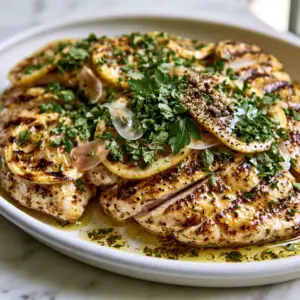
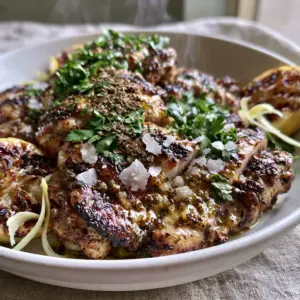
The intoxicating aroma of spiced meat rotating on a vertical spit is a staple of late-night street food culture across the globe. But what if you could recreate that exact experience—the glistening fat, the deeply charred edges, and the tender ribbons of meat—right in your own kitchen? This homemade doner kebab recipe is designed to bridge the gap between high-end culinary technique and approachable home cooking.
Achieving the perfect homemade doner kebab requires more than just seasoning; it is a lesson in structural integrity and thermal precision. By using a combination of finely ground meats and specific roasting techniques, we can mimic the texture of a professional rotisserie. The result is a pile of succulent beef and lamb that looks as though it was carved by a master ustalar in the heart of Istanbul.
In this guide, we will dive deep into the science of the meat “loaf” and the art of the secondary sear. You will learn how to achieve those translucent rings of red onion and the vibrant, citrusy punch of sumac that elevates this dish from a simple meal to a gourmet experience. Get ready to transform your dinner routine with a dish that is as visually stunning as it is delicious.
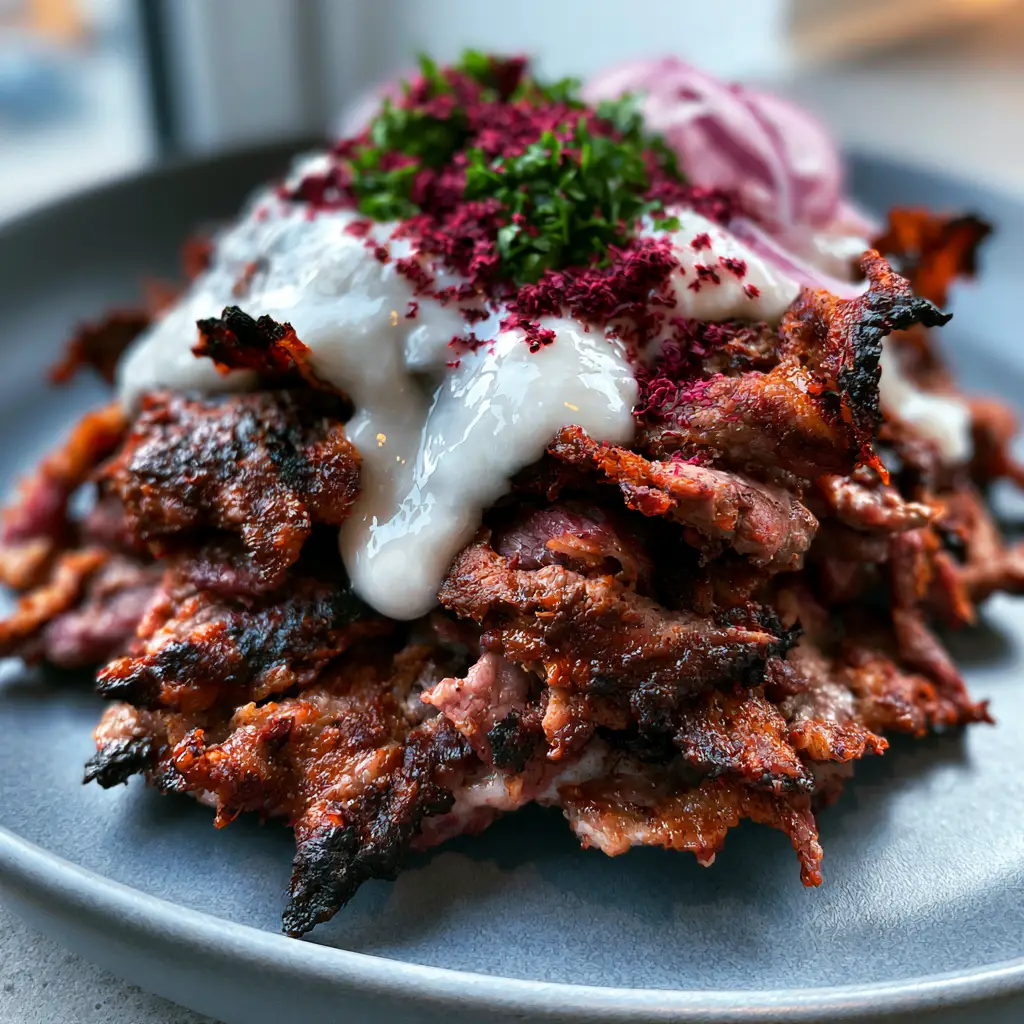
Why This Authentic Meat Ribbon Technique Works
- The Dual-Protein Balance: A 50/50 blend of beef and lamb ensures a rich flavor profile while maintaining the necessary fat content for a glistening, juicy finish.
- The Forensic Texture: By processing the meat into a dense “loaf” before roasting, we create a structure that can be shaved into paper-thin ribbons, just like a traditional vertical spit.
- The Maillard Reaction: A crucial secondary sear in a cast-iron skillet creates those iconic dark brown charred crispy edges that define a world-class kebab.
- The Cooling Component: Our thick, opaque white garlic sauce provides a high-fat, high-acid contrast to the warm, seasoned meat.
The Essential Flavor Profile for Authentic Meat Ribbons
To achieve the specific “juicy glistening meat” described in our visual blueprint, we must focus on the emulsification of fats. Unlike a standard burger, the meat for a homemade doner kebab needs to be worked until it reaches a paste-like consistency. This ensures the juices stay trapped within the meat fibers during the long roasting process.
Ground Beef (20% Fat): 1 lb (450g) of high-quality ground beef provides the structural backbone and a familiar savory depth. The fat content is non-negotiable for that “glistening” appearance.
Ground Lamb: 1 lb (450g) of lamb introduces the distinct, gamey richness essential for an authentic flavor profile. Lamb fat has a lower melting point, contributing to the moist interior.
Fine Sea Salt: 2 tsp (12g) is required not just for flavor, but to break down the myosin in the meat, allowing it to bind into a solid mass. It’s the “invisible” ingredient that prevents the kebab from crumbling.
Ground Cumin and Coriander: 1 tbsp (6g) each of these earthy spices creates the base of the Middle Eastern spice palette. They provide a warm, aromatic foundation that pairs perfectly with the char.
Dried Oregano and Allspice: 1 tsp (2g) of each adds a floral and slightly peppery top note. This complexity is what separates a homemade doner kebab from a basic meatloaf.
Garlic and Onion Paste: 4 cloves of garlic and 1 small yellow onion, processed into a liquid. Using the juice and pulp ensures the meat is flavored throughout without the chunky texture of chopped vegetables.
Greek Yogurt (Full Fat): 1 cup (245g) for the sauce. This must be thick and opaque to match the visual requirement of a “thick white garlic yogurt sauce.”
Sumac: 1 tbsp (8g) for the garnish. This deep red powder provides a sour, citrusy finish that cuts through the richness of the lamb. If you enjoy bright, Mediterranean flavors, you might also love our collection of Greek chicken recipes.
Tools Required for Professional Shaving and Searing
To mimic the “meticulously detailed” look of a professional kebab shop, you don’t need a rotating spit, but you do need the right kitchen arsenal. A high-powered food processor is essential for achieving the emulsified meat texture. Without it, your kebab will have the crumbly texture of a meatloaf rather than the “thinly-shaved ribbons” we desire.
A heavy-duty roasting pan and a meat thermometer are your best friends here. You must ensure the internal temperature reaches 160°F (71°C) to ensure safety and structural set. Finally, a sharp carving knife or a mandoline (used with extreme caution) is necessary to get those paper-thin meat slices before they hit the hot pan for their final crisping.
The Step-by-Step Path to Kebab Perfection
Emulsifying the Meat Base
In a large food processor, combine your beef, lamb, onion juice, garlic, and all dry spices. Pulse until the mixture is no longer grainy and resembles a smooth, pale pink paste. This step is critical; we are essentially making a “meat emulsion” that will hold its shape during the roast. If you’ve ever made Hawaiian meatballs, you’ll recognize the importance of meat texture, though here we want it even smoother.
The Low and Slow Roast
Shape the meat mixture into a tight, cylindrical log and wrap it tightly in heavy-duty foil, poking a few small holes in the bottom. Place it on a rack over a baking sheet and roast at 300°F (150°C) for about 75-90 minutes. We are looking for a firm, fully set loaf. Once done, let it rest for at least 20 minutes; this allows the proteins to relax and the juices to redistribute, ensuring “moist, juicy” results.
Achieving the Charred Ribbons
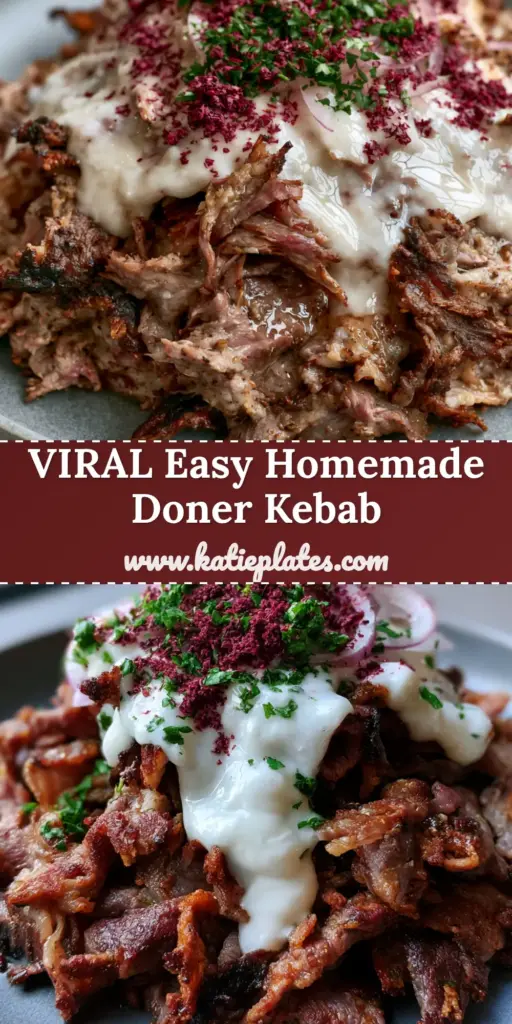
Once the meat has rested, use a very sharp knife to shave the loaf into the thinnest possible ribbons. Heat a cast-iron skillet over high heat with a tablespoon of neutral oil. Working in batches, sear the meat ribbons for only 30-45 seconds. You want to see “dark brown charred crispy edges” forming almost instantly while the interior remains glistening and tender.
Whisking the Opaque Garlic Sauce
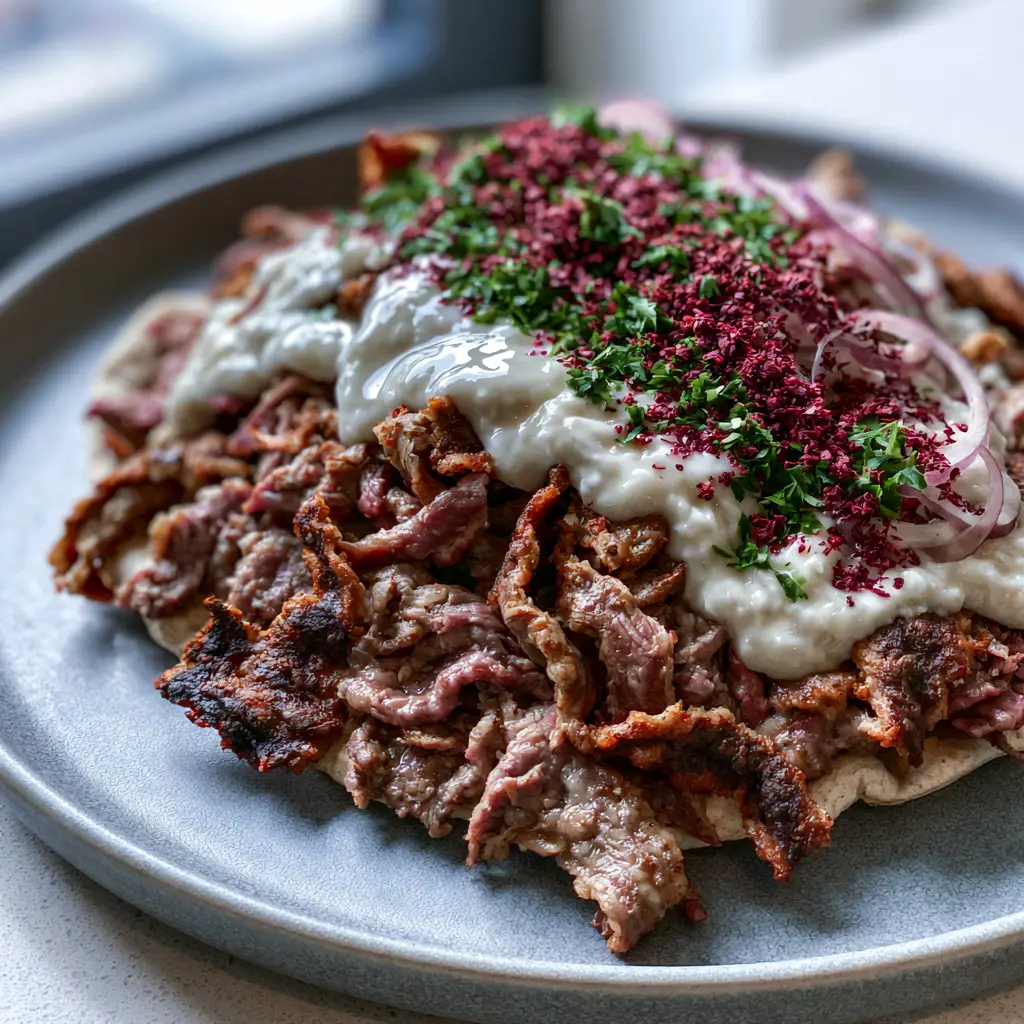
Combine the full-fat Greek yogurt with two cloves of finely grated garlic, a splash of lemon juice, and a pinch of salt. Whisk vigorously until the sauce is glossy and thick. When poured over the meat, it should show those beautiful “glossy highlights” mentioned in the visual prompt. This sauce is much thicker than what you’d find on our fried cod recipes, as it needs to stand up to the heavy spices of the kebab.
The Final Garnish and Presentation
Lay the charred meat ribbons on a modern matte grey ceramic plate. Drape the thick garlic sauce over the center, allowing it to pool slightly. Sprinkle the vibrant green chopped parsley and the deep red sumac powder with precision. Finally, top with “translucent rings of red onion” that have been sliced paper-thin. The contrast of the grey plate against the red sumac and green parsley creates a high-end, approachable aesthetic.
Expert Tips for Success
- The Freezer Trick: For even thinner ribbons, place the roasted meat loaf in the freezer for 30 minutes before slicing. This firms up the fat and makes “paper-thin” cuts much easier to achieve.
- Onion Juice is Key: Don’t just chop the onions. Grate them and squeeze out the juice. The enzymes in onion juice help tenderize the meat while providing flavor without the moisture of the onion flesh.
- High Heat Searing: If the pan isn’t smoking hot, the meat will steam rather than sear. We need that “crust” to form quickly to avoid drying out the interior.
- Sumac Freshness: Sumac loses its punch quickly. Use a freshly opened bottle to ensure that “vibrant deep red” color and the signature tart flavor.
Storage, Reheating, and Freezing
Homemade doner kebab meat stores exceptionally well. The unsliced roasted loaf can be kept in the refrigerator for up to 4 days wrapped tightly in plastic wrap. For longer storage, you can freeze the cooked loaf for up to 3 months.
To reheat, it is best to slice the meat while cold and then perform the secondary sear in a hot skillet. This revives the “crispy edges” and ensures the meat doesn’t become rubbery in the microwave. If you have leftovers, they make a fantastic protein addition to various African-inspired grain bowls.
What to Serve With Your Kebab
While the meat is the star, the right accompaniments complete the plate. Soft, warm pita bread or lavash is a must for scooping up the garlic sauce. For a side dish, consider a light cucumber salad or even some air-fryer side dishes if you’re looking for a non-traditional twist.
If you’re hosting a larger Mediterranean-themed dinner, these kebabs pair beautifully with rice pilaf or even a side of roasted vegetables. The versatility of the meat makes it a staple for anyone who enjoys bold, spice-forward cooking.
Frequently Asked Questions
Yes, you can roast the foil-wrapped loaf in an air fryer at 300°F. For the final char, air fry the shaved ribbons at 400°F for 2-3 minutes.
The secret is to process the meat into a smooth paste, roast it as a dense loaf, let it rest, and then use a very sharp carving knife to shave it while firm.
The deep red color in the garnish comes from sumac, a tangy Middle Eastern spice. Some recipes also use a small amount of tomato paste in the meat mixture for color.
A 50/50 blend of ground beef and ground lamb is ideal. The beef provides structure while the lamb adds the essential fat and traditional flavor required for a juicy kebab.
This usually happens if the meat wasn’t emulsified enough in the food processor or if there wasn’t enough salt to bind the proteins. Ensure the mixture is a smooth paste before roasting.
The Ultimate Homemade Doner Kebab Recipe
Homemade Doner Kebab: The Ultimate Guide to Crispy, Juicy Meat
Ingredients
Equipment
Method
- Process the beef, lamb, and spices in a food processor until it forms a smooth paste.
- Form into a log, wrap in foil, and roast at 300°F (150°C) until internal temp hits 160°F.
- Shave the rested meat into thin ribbons and sear in a hot skillet until edges are charred.
Notes
Always use a hot skillet for the final sear to avoid drying out the meat.
Bring the Kebab Shop Home
Mastering the homemade doner kebab is a rite of passage for any home cook who loves the intersection of street food and culinary science. The combination of the “dark brown charred crispy edges” and the “thick white garlic sauce” creates a sensory experience that is truly unmatched. We hope this guide helps you achieve the perfect shave and the ultimate sear!
If you enjoyed this recipe, please leave a comment below and let us know how your char turned out! Don’t forget to sign up for our newsletter for more deep-dives into culinary forensics and follow us on Pinterest for more visual inspiration.