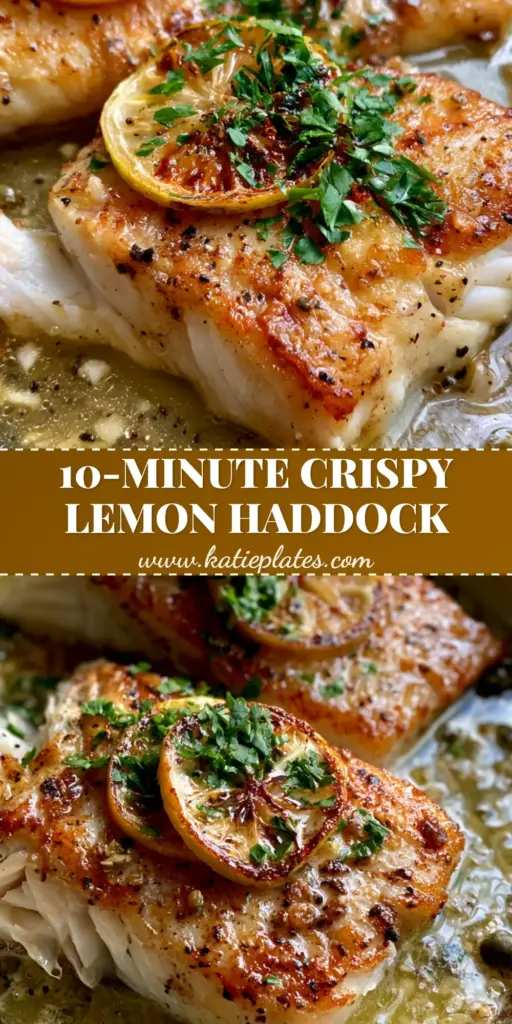
Pan fried haddock is the ultimate weeknight luxury that feels like a five-star restaurant meal delivered straight to your rustic cast iron skillet. This recipe focuses on achieving a perfectly golden-brown crust while maintaining a succulent, snow-white interior that flakes at the touch of a fork. If you are looking for a foolproof way to cook white fish, this pan fried haddock with shimmering lemon butter and charred citrus wheels is the only guide you will ever need.
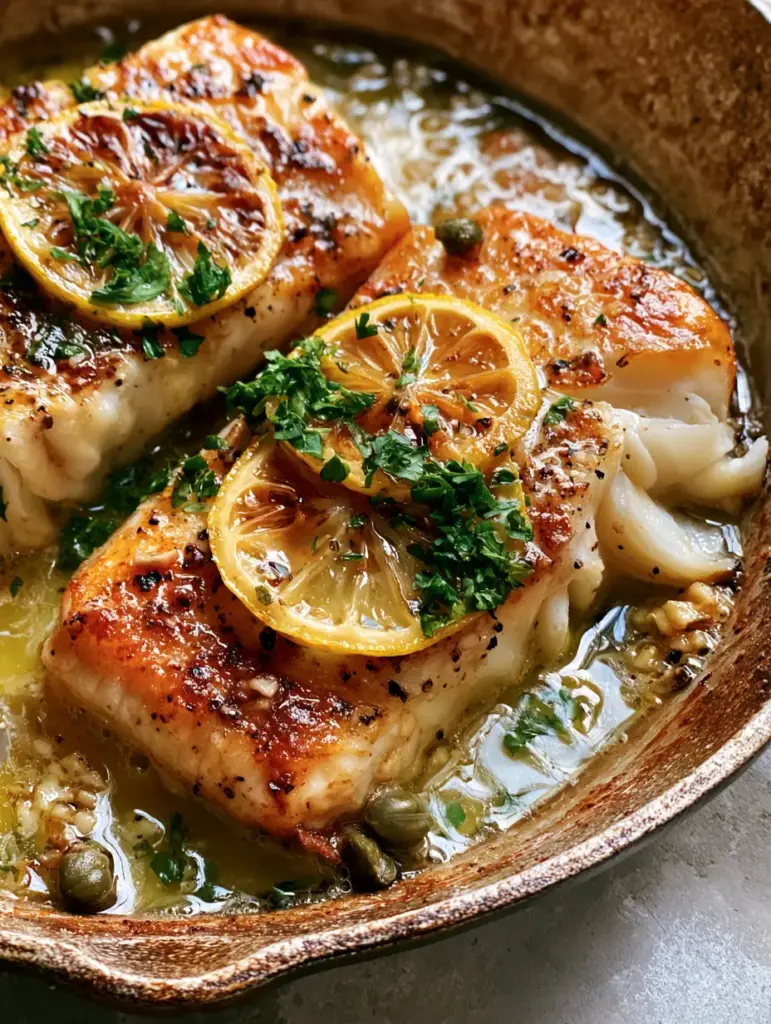
Why You Will Crave This Crispy Pan Fried Haddock
- Visual Texture: A stunning, high-contrast dish featuring deep golden searing against vibrant green Italian parsley.
- Flavor Profile: The briny pop of whole capers perfectly balances the rich, translucent melted lemon butter sauce.
- Speed: Go from fridge to table in under 20 minutes, making it faster than ordering takeout.
- Perfect Flake: We utilize professional searing techniques to ensure the fish stays juicy and tender inside.
When you prepare pan fried haddock, you are working with a delicate, lean fish that requires a precise balance of heat and fat. By using a cast iron skillet, we create a thermal engine that produces that coveted “crunch” without overcooking the protein. This recipe is very similar in technique to our popular pan-seared cod fillets, but with the unique sweetness that only haddock provides.
The Essential Ingredients for Superior Flavor
Success starts with the quality of your components. For this pan fried haddock, we aren’t just cooking fish; we are building layers of aromatics.
Haddock Fillets: Look for thick, firm fillets. Haddock is slightly sweeter than cod and holds its shape beautifully during a high-heat sear. You will need about 1.5 lbs (680g) for four people.
Avocado Oil or Grapeseed Oil: You need a high smoke point oil (2 tbsp / 30ml) for the initial sear. Save the butter for the finishing sauce to prevent burning.
Unsalted Butter: We use 4 tbsp (56g) of high-quality butter to create the shimmering lemon butter sauce. Using unsalted allows you to control the seasoning perfectly.
Fresh Garlic: 3 cloves, finely minced. Sautéing these at the end ensures they become sweet and fragrant rather than bitter and burnt.
Fresh Lemons: You will need one lemon for juice and one extra lemon to create those paper-thin, charred lemon wheels that decorate the skillet.
Whole Capers: 2 tbsp (30g) of drained capers add a Mediterranean saltiness that cuts through the buttery richness.
Italian Parsley & Black Pepper: Freshly chopped parsley adds a burst of color, while cracked black pepper provides a woody heat that complements the white fish.
Mastering the Sear: Step-by-Step Instructions
Step 1: Prep and Dry the Fish
The biggest enemy of a golden-brown crispy exterior is moisture. Use paper towels to pat the haddock fillets bone-dry on both sides. Season generously with kosher salt and cracked black pepper.
Step 2: The High-Heat Cast Iron Sear
Place your cast iron skillet over medium-high heat. Add the oil. Once the oil is shimmering and just starting to wisps of smoke, gently lay the haddock fillets into the pan. Press down lightly with a spatula for the first 30 seconds to ensure even contact.
Do not move the fish! Let it sear for 3-4 minutes until a deep golden crust forms. You will see the edges of the fish turn opaque and start to flake slightly.
Step 3: The Flip and Char
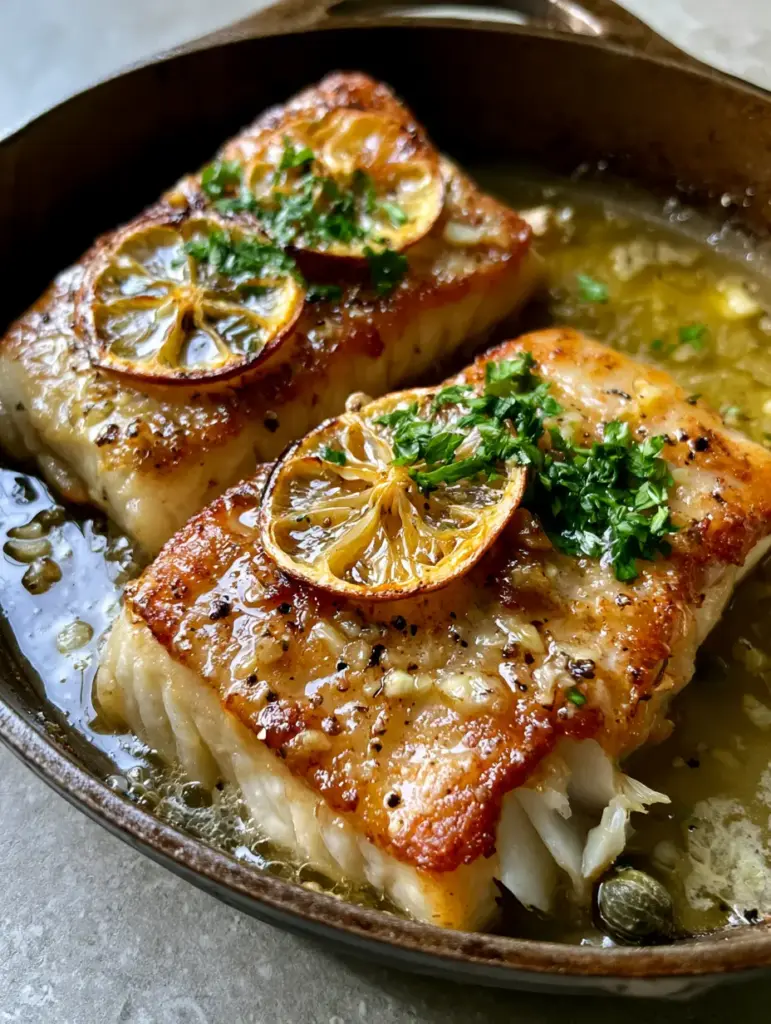
Carefully flip the fillets. Immediately add the paper-thin lemon wheels to the empty spaces in the skillet. Let the lemon slices sit undisturbed so they develop dark, caramelized charred edges. Cook the fish for another 2-3 minutes on the second side.
Step 4: The Basting Ritual
Lower the heat to medium. Toss in the butter, minced sautéed garlic, and whole capers. As the butter bubbles and turns translucent, use a large spoon to continuously pour the hot garlic butter over the fish. This process, called arroser, adds incredible depth and ensures a flaky white interior.
Step 5: Final Flourish
Squeeze fresh lemon juice into the pan to emulsify the sauce. Remove from heat and garnish with a generous sprinkle of bright green, freshly chopped Italian parsley. The final dish should show the fish glistening with sauce, framed by charred lemons and scattered capers.
Expert Tips for the Perfect Pan Fried Haddock
- Room Temperature: Take the fish out of the fridge 15 minutes before cooking. Cold fish hitting a hot pan causes the muscle fibers to tense, resulting in a tougher texture.
- Don’t Overcrowd: If the fillets are touching, they will steam instead of fry. Work in batches if necessary to maintain that golden-brown crust.
- The Butter Timing: Adding butter too early will result in burnt milk solids. Always start with oil and finish with butter.
- Check for Doneness: Haddock is done when it reaches an internal temperature of 145°F (63°C) or when it flakes easily with a fork in the thickest part.
Storage, Reheating, and Freezing
Storage: Keep leftover pan fried haddock in an airtight container in the refrigerator for up to 2 days. The crust will soften, but the flavor remains excellent.
Reheating: Avoid the microwave! Reheat in a skillet over medium-low heat with a splash of water or extra butter to keep it moist.
Freezing: While you can freeze cooked haddock for up to a month, the texture of the crispy exterior will be lost upon thawing. It is best enjoyed fresh from the skillet.
What to Serve with Pan Fried Haddock
To keep the meal light and vibrant, serve this fish alongside a crisp green salad or roasted asparagus. If you want something heartier, a bed of creamy polenta or garlic mashed potatoes will soak up every drop of that lemon butter sauce.
If you enjoy this flavor profile, you might also love our lemon garlic butter mussels or even a side of traditional yellow rice. For those who love a spicy kick, try pairing this with the techniques used in our blackened cod recipe.
Frequently Asked Questions
Yes, but it must be completely thawed and thoroughly patted dry. Frozen fish often contains more moisture, so extra care is needed to prevent steaming instead of frying.
The fish is done when the internal temperature reaches 145°F (63°C). Visually, the meat should be snow-white and opaque, flaking easily when pressed with a fork.
The secret is two-fold: ensure the fish is bone-dry using paper towels and make sure your oil is shimmering hot before adding the fillets. Once in the pan, do not try to move the fish until the crust has naturally released from the surface.
Absolutely. Haddock is a lean source of high-quality protein, low in calories, and rich in essential minerals like iodine and selenium.
Haddock is slightly sweeter and has a finer flake than cod. While both work well for pan frying, haddock’s texture is often considered more delicate and better suited for butter-based sauces.
The Ultimate Pan Fried Haddock Recipe
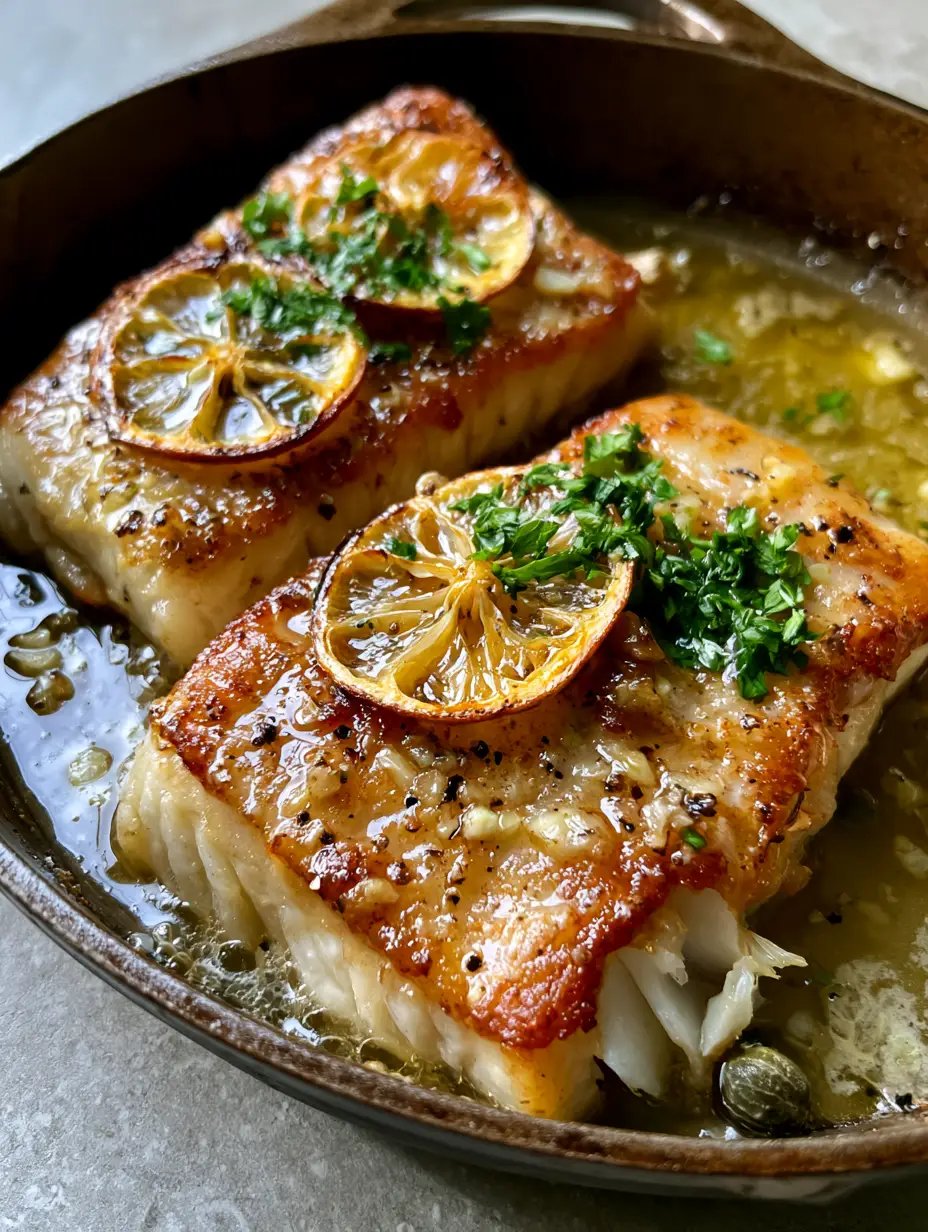
Pan Fried Haddock with Lemon Garlic Butter and Capers
Ingredients
Equipment
Method
- Pat the haddock fillets bone-dry with paper towels. Season both sides generously with salt and cracked black pepper.
- Heat oil in a cast iron skillet over medium-high heat until shimmering and just starting to smoke.
- Lay fillets in the pan and sear undisturbed for 3-4 minutes until a golden-brown crust forms. Flip carefully.
- Add lemon wheels to the pan to char. Lower heat to medium and add butter, garlic, and capers.
- Spoon the bubbling garlic butter over the fish for 2-3 minutes. Squeeze fresh lemon juice over everything and garnish with parsley.
Notes
Use a cast iron skillet for superior heat retention.
Join the KatiePlates Community!
Did you make this pan fried haddock? I want to see your results! Save this recipe to your Pinterest Seafood Board so you never lose it. Leave a 5-star rating in the recipe card below and drop a comment with a photo of your golden-brown fillets. Following @katieplates ensures you never miss a new kitchen adventure!