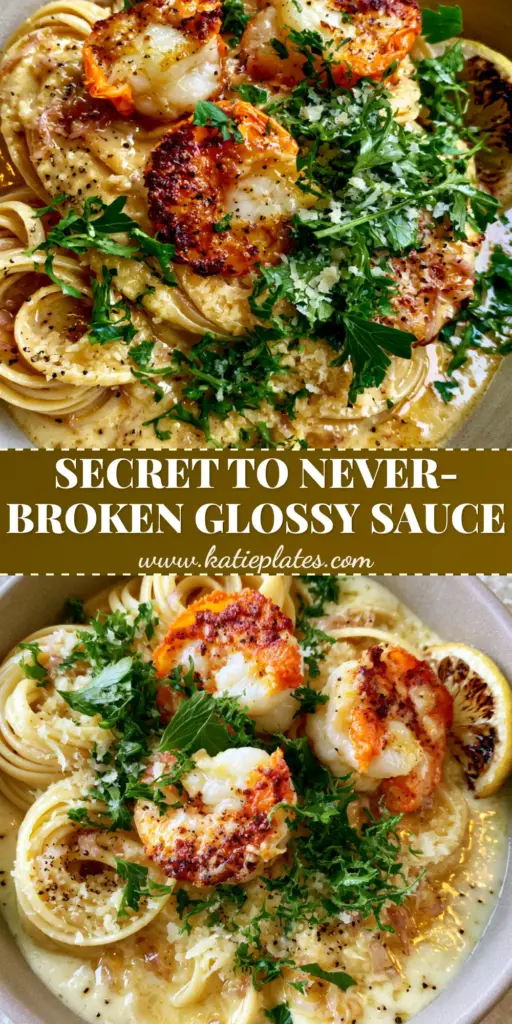
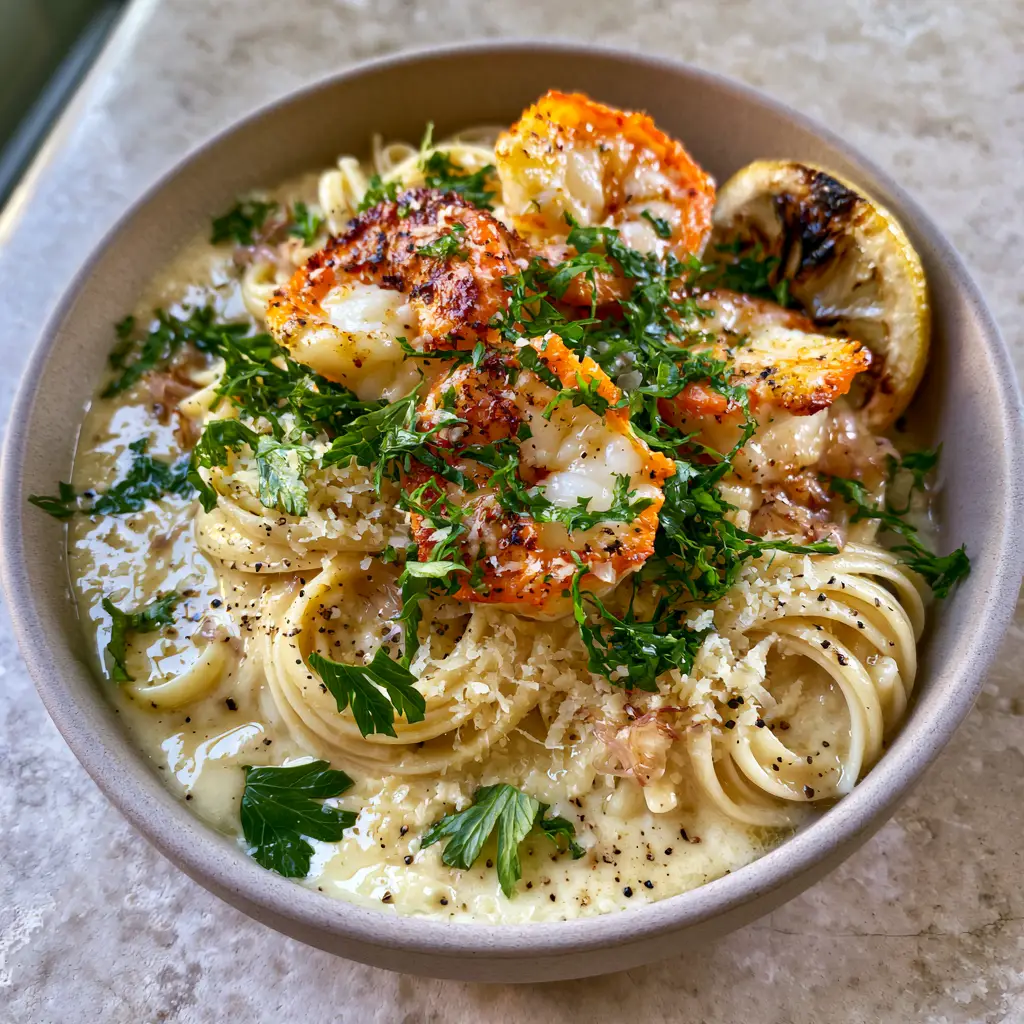
This white wine sauce recipe is the ultimate restaurant-quality dinner you can master at home in under 30 minutes. Imagine glossy, al dente linguine twirled into a velvety, pale golden emulsion that sparkles under soft light, accented by the sharp bite of cracked black pepper and the sweetness of minced shallots. Topped with succulent, butter-seared shrimp featuring crispy orange edges, this dish isn’t just a meal—it’s a visual masterpiece designed to stop the scroll on Pinterest and satisfy the most discerning palate.
Whether you are looking for a romantic date-night dinner or a sophisticated weeknight upgrade, the secret lies in the balance of acidity, fat, and starch. Our white wine sauce relies on high-quality dry wine and cold butter to create a reflective, lip-smacking glaze that clings to every strand of pasta. If you’ve enjoyed our lemon garlic butter mussels, you will recognize the bright, aromatic profile that makes this seafood pasta so addictive.
Why You Will Obsess Over This Elegant White Wine Sauce
- The Texture: A thick, velvety emulsion that provides a luxurious mouthfeel without the heaviness of heavy cream.
- The Visuals: Vibrant green hand-torn parsley and micro-planed parmesan create a stunning contrast against the golden linguine.
- The Shrimp: Large, succulent shrimp seared in butter until they develop those signature crispy, caramelized orange edges.
- The Finish: A charred lemon slice adds a smoky, citrusy depth that cuts through the richness of the butter.
The Anatomy of a Perfect White Wine Emulsion
Creating a white wine sauce that doesn’t break requires a few specific “invisible” ingredients and techniques. We aren’t just boiling wine; we are building layers of flavor. From the aromatic base of shallots to the final dusting of micro-planed cheese, every element serves a culinary purpose.
Linguine: 1 lb (454g). The flat surface of linguine is superior to spaghetti for holding onto an emulsified sauce. Always cook until just shy of al dente, as it will finish cooking in the sauce.
Large Shrimp: 1 lb (454g), peeled and deveined. We want “Colossal” or “Jumbo” shrimp to ensure they stay succulent in the center while the exterior sears to a crisp orange.
Dry White Wine: 1 cup (240ml). Choose a Sauvignon Blanc or Pinot Grigio. Avoid “cooking wines” which are laden with salt; if you wouldn’t drink it, don’t cook with it.
Unsalted Butter: 6 tbsp (85g), divided and chilled. Cold butter is essential for the emulsification process—the slow melting creates a stable, glossy sauce.
Shallots: 2 large, finely minced. Shallots provide a more delicate, garlicky-onion hybrid flavor than standard yellow onions, perfect for a refined white wine sauce.
Fresh Parsley: 1/2 cup (15g), hand-torn. Tearing the leaves instead of chopping them preserves the oils and provides a more rustic, high-end visual appeal.
Parmesan Cheese: 1/4 cup (25g), micro-planed. The fine “snow” of cheese melts instantly into the warm sauce, adding saltiness and body.
Lemon: 1 large, halved. One half is for juice, the other is sliced and charred in the pan for a smoky garnish.
Cracked Black Pepper & Kosher Salt: To taste. The visible specks of black pepper are a key visual cue in this dish, providing a sharp contrast to the pale gold sauce.
How to Make the Ultimate White Wine Sauce Pasta
1. Sear the Shrimp to Perfection
Pat your shrimp completely dry with paper towels—this is the secret to a good sear. Season with salt and pepper. In a large skillet over medium-high heat, melt 1 tbsp (14g) of butter. Add the shrimp in a single layer, ensuring they don’t touch.
Visual Cue: Look for the edges to turn a vibrant, crispy orange. Sear for 2 minutes per side until the centers are opaque and succulent. Remove the shrimp from the pan and set aside; do not overcook them, as they will toughen.
2. Achieve Al Dente Linguine
Bring a large pot of heavily salted water to a boil. Cook the linguine for about 1-2 minutes less than the package directions. CRITICAL: Before draining, reserve 1 cup (240ml) of starchy pasta water. This water is liquid gold and helps bind your white wine sauce to the noodles.
3. Build the Aromatic Sauce Base
In the same skillet used for the shrimp, add another tablespoon of butter. Sauté the minced shallots until translucent and fragrant, about 3 minutes. Pour in the white wine to deglaze the pan, scraping up any browned bits (fond) left by the shrimp. This is where the depth of flavor lives.
Reduce the wine by half over medium heat. This concentrates the flavors and removes the harsh alcohol bite. If you love this flavor profile, you might also enjoy our garlic butter lobster and scallops.
4. The Emulsification Loop
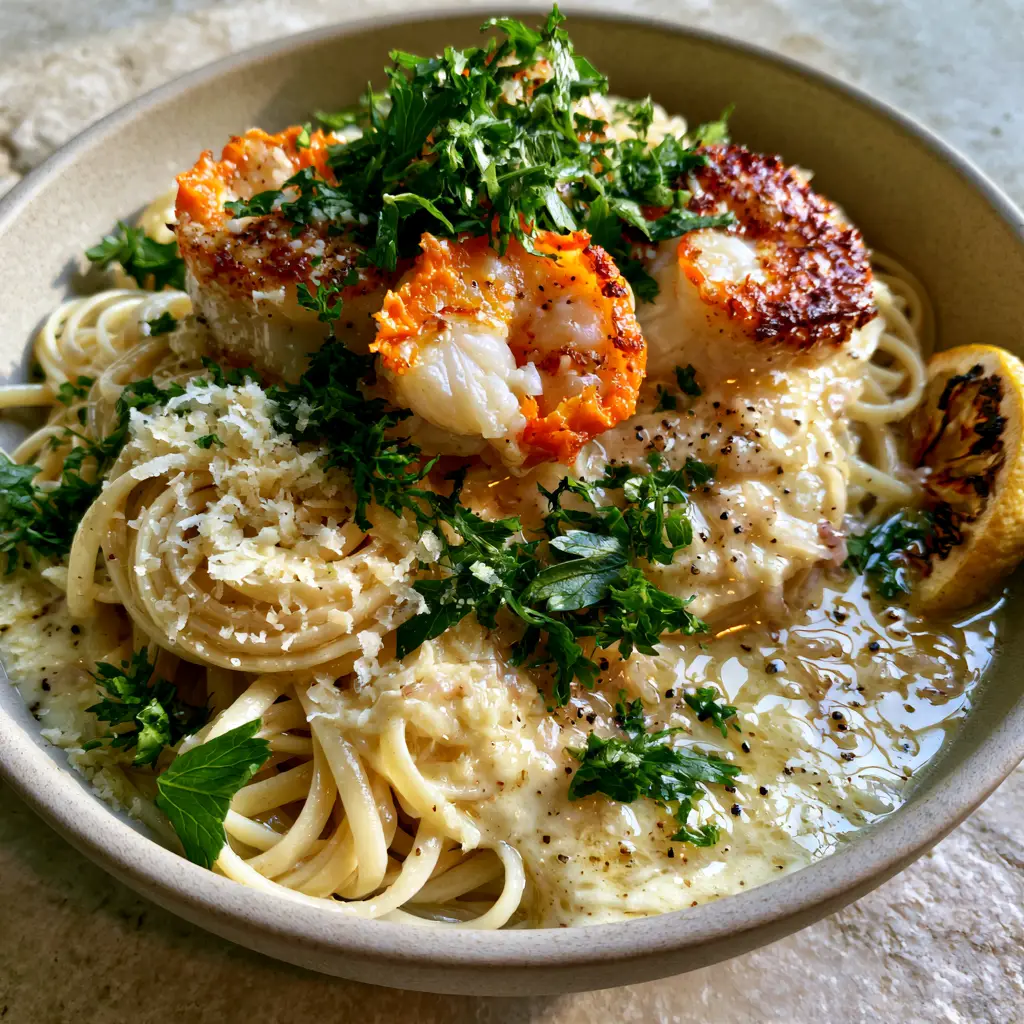
Turn the heat to low. Whisk in the remaining cold butter, one tablespoon at a time. By adding cold fat to the warm reduction, you create a white wine sauce that is incredibly glossy and reflective, just like in the photos.
Add the al dente linguine directly to the skillet. Pour in a splash of the reserved pasta water and toss vigorously. The starch in the water will react with the butter and wine to create a thick, velvety coating.
5. The Final Flourish
Add the seared shrimp back into the pan along with the hand-torn parsley, a squeeze of fresh lemon juice, and a generous amount of cracked black pepper. Toss one last time to ensure every strand is drenched in the emulsion.
In a separate small pan (or the corner of your skillet), sear a lemon slice until charred and caramelized. This provides a beautiful smoky aroma and a stunning visual garnish.
Expert Tips for Pinterest-Perfect Pasta
- Use a Micro-plane: When adding the parmesan, use a micro-plane grater. This creates a light “dusting” that melts instantly, avoiding any clumps in your smooth white wine sauce.
- Don’t Drain the Flavor: Never rinse your pasta. The surface starch is what allows the sauce to “stick.”
- Temperature Control: If the sauce looks oily or “broken,” add a tablespoon of pasta water and whisk vigorously over low heat to bring the emulsion back together.
- The Gloss Factor: For that handheld smartphone photo look, ensure you toss the pasta for at least 60 seconds in the pan. This agitation is what creates the reflective sheen.
Storage, Reheating & Freezing
Storage: This dish is best served immediately to maintain the emulsion. However, leftovers can be stored in an airtight container in the refrigerator for up to 2 days.
Reheating: Do not microwave! The high heat will break the white wine sauce and make the shrimp rubbery. Instead, reheat in a skillet over low heat, adding a splash of water or chicken broth to loosen the sauce back into a creamy state.
Freezing: We do not recommend freezing this dish, as the delicate butter emulsion and the texture of the shrimp will degrade significantly upon thawing.
What to Serve With White Wine Sauce Pasta
To keep the meal light and elegant, pair this pasta with a crisp green salad or roasted vegetables. For a full seafood feast, consider serving this alongside seared cod fillets or perhaps a side of clams and mussels. A crusty loaf of sourdough bread is also essential for mopping up every last drop of that velvety sauce.
Frequently Asked Questions
Yes, you can substitute the wine with a high-quality seafood or chicken stock and a tablespoon of lemon juice or white wine vinegar to provide the necessary acidity.
Most of the alcohol evaporates during the reduction process, leaving behind the concentrated flavor and acidity of the wine. However, a trace amount may remain.
The secret is to use cold butter and incorporate it slowly over low heat. If the sauce gets too hot, the fat will separate. Adding a splash of starchy pasta water also helps stabilize the emulsion.
A dry, high-acid white wine is best. Look for Pinot Grigio, Sauvignon Blanc, or an unoaked Chardonnay. Avoid sweet wines or ‘cooking wines’ from the grocery aisle, which contain additives and excess salt.
Ensure you have reduced the wine by at least half before adding the butter. Additionally, the starch from the reserved pasta water is crucial for achieving that thick, velvety coating.
The Ultimate White Wine Sauce Linguine Recipe
White Wine Sauce Pasta with Butter-Seared Shrimp and Linguine
Ingredients
Equipment
Method
- Pat shrimp dry and season. Melt 1 tbsp butter in a skillet over medium-high heat. Sear shrimp for 2 minutes per side until orange and crispy. Remove and set aside.
- Boil linguine in salted water until 1 minute before al dente. Reserve 1 cup of pasta water and drain.
- Sauté shallots in 1 tbsp butter. Deglaze with white wine and reduce by half.
- Reduce heat to low. Whisk in remaining cold butter cubes one by one until a glossy emulsion forms.
- Add pasta and shrimp to the skillet. Toss with pasta water, lemon juice, parsley, and black pepper. Garnish with micro-planed parmesan and a charred lemon slice.
Notes
Reserve more pasta water than you think you need to adjust the sauce consistency.
Save This Recipe for Later!
If you loved this white wine sauce recipe, please help us grow by saving it to your favorite Pinterest board! You can follow katieplates for more restaurant-quality seafood recipes and weeknight dinner inspiration. Did you make this? Snap a photo and share it in the comments below, and don’t forget to leave a 5-star rating in the recipe card above. Your feedback helps other home cooks find success!