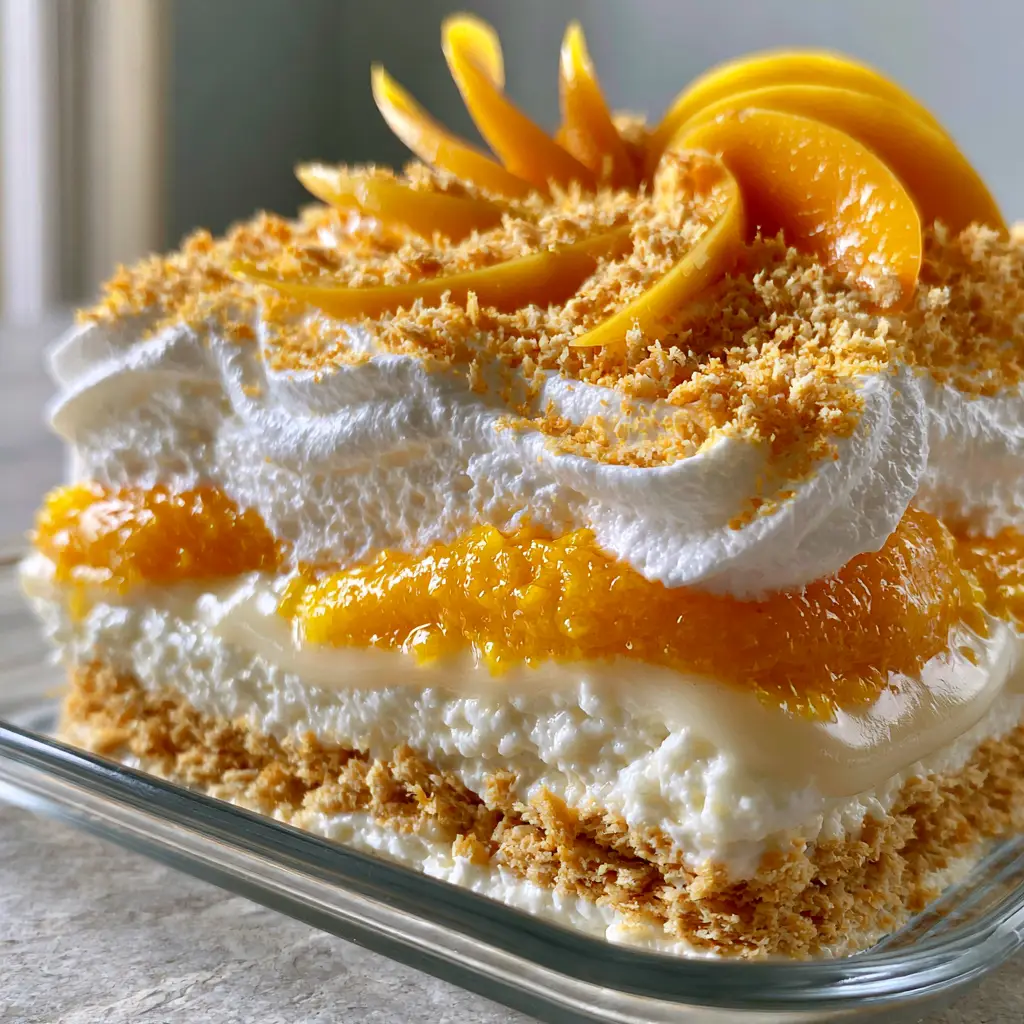
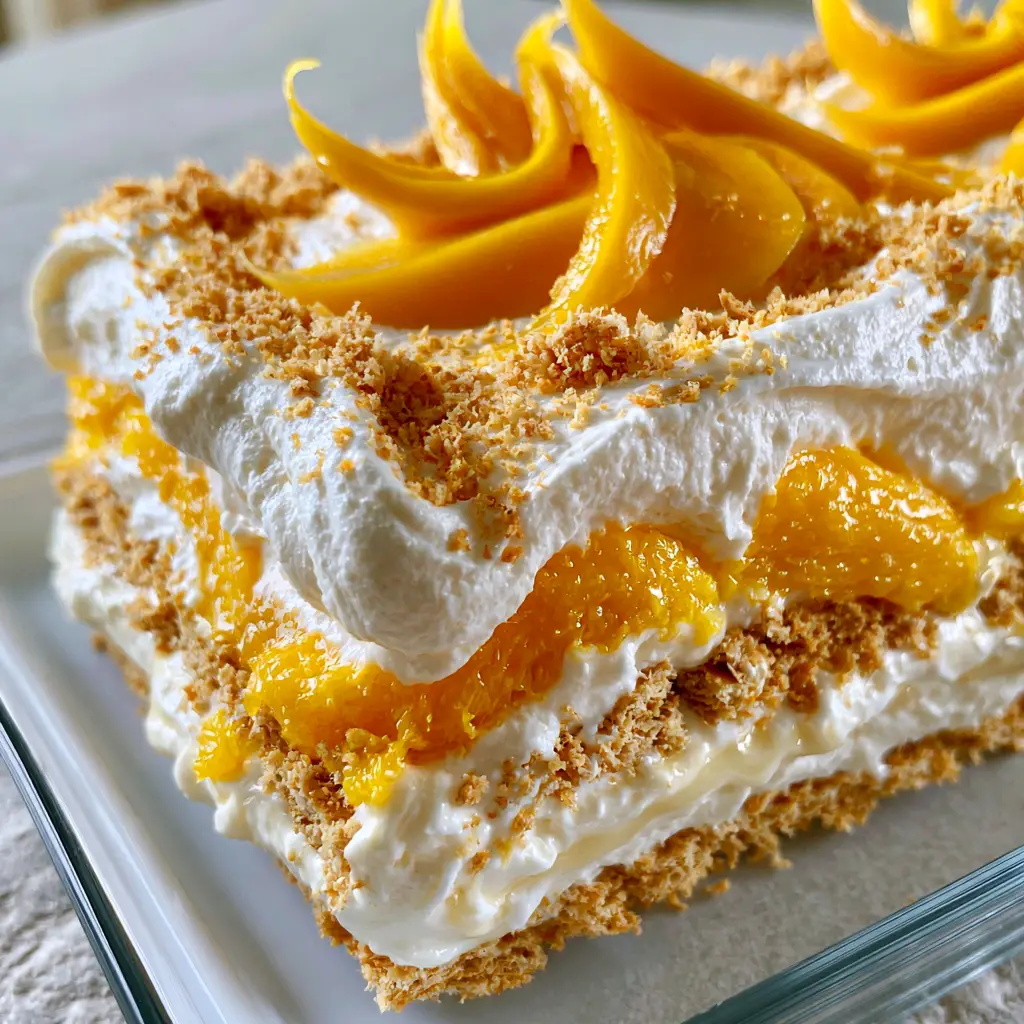
The mango float recipe is more than just a dessert; it is a cultural icon of Filipino celebrations. Known for its distinct, meticulously defined layers, this no-bake masterpiece combines the crunch of honey grahams with the cloud-like fluff of whipped cream and the tropical vibrance of Manila mangoes. When you look at a cross-section of this dish, you should see a foundation of buttery, honey-gold crushed graham crackers, followed by a thick, velvety layer of chilled white whipped cream and sweetened condensed milk.
Achieving that perfect vertical stripping of layers requires a balance of temperature and patience. In this guide, we will explore the professional techniques needed to ensure your cream has a soft, airy texture while your mangoes remain juicy and glossy. Whether you are preparing this for a festive gathering or a simple weekend treat, this mango float recipe delivers a sophisticated, elevated result that looks as good as it tastes.
Why This Luscious Mango Graham Float Works
This recipe focuses on “Forensic Visual Accuracy,” ensuring that every bite matches the stunning aesthetic of a high-end Filipino cafe. By using specific layering techniques, we create a dessert that is structurally sound and visually striking.
- Structural Integrity: The combination of chilled heavy cream and sweetened condensed milk creates a stable, mousse-like consistency that holds its shape when sliced.
- Textural Contrast: We use a combination of crushed honey graham crackers for the base and a delicate dusting of fine graham cracker crumbs for the top garnish.
- Visual Brilliance: The use of sun-ripened orange-yellow Manila mangoes provides a natural pop of color that contrasts beautifully against the white cream layers.
- No-Bake Simplicity: Despite its sophisticated appearance, this recipe requires zero oven time, making it accessible for home cooks of all skill levels.
Essential Ingredients for a Structurally Sound Mango Float
To achieve the results seen in our visual blueprint, we must select ingredients that offer both flavor and stability. While the mangoes are the star, the foundational elements are what make the “float” possible.
The Graham Cracker Foundation
2 cups (approx. 200g) Crushed honey graham crackers. These provide the essential honey-gold base and the structural “floor” for our vertical layers.
1/2 cup (approx. 50g) Fine graham cracker dust. This is reserved specifically for the sophisticated top garnish to create a professional finish.
The Velvety Cream Mixture
2 cups (480ml) Heavy whipping cream, chilled. The cream must be very cold (below 40°F/4°C) to trap air effectively and create that soft, airy texture described in the prompt.
1 can (14 oz / 397g) Sweetened condensed milk. This provides the sweetness and a silky, dense mouthfeel that balances the airy whipped cream.
1 tsp (5ml) Pure vanilla extract. This foundational ingredient adds depth to the cream, bridging the gap between the honey in the crackers and the floral notes of the mango.
The Tropical Fruit Element
4 to 5 large Ripe Manila mangoes. These must be deep yellow-orange and slightly soft to the touch to ensure they are juicy and glossy in the final presentation.
Must-Have Equipment for Perfect Vertical Stripping
You don’t need a professional bakery, but a few specific tools will help you achieve the “elevated plating” in a clean glass dish. Using the right tools ensures the layers remain distinct rather than bleeding into one another.
First, a high-sided glass baking dish is non-negotiable if you want to showcase the cross-section. The transparency of the glass allows the honey-gold crackers and white cream to be visible from the side, creating a beautiful display.
Second, a stand mixer or electric hand mixer is required. To get the “thick, velvety layer” of cream, you must whip the heavy cream to stiff peaks. Doing this by hand is difficult and often results in a runny float that won’t slice cleanly. If you enjoy making creamy desserts, you might also like this mango pudding for a different texture.
Step-by-Step Architecture: Building Your Mango Graham Cake
1. Preparing the Mango Fans and Slices
Start by slicing the “cheeks” off the Manila mangoes. Use a sharp knife to cut thin, uniform slices for the interior layers. For the top, create thin mango fans by slicing the cheek lengthwise without cutting through the stem end, then gently fanning them out for a sophisticated arrangement.
2. Whipping the Velvety Cream Base
In a chilled bowl, pour the 2 cups (480ml) of heavy whipping cream. Beat on medium-high speed until soft peaks form. Gradually pour in the sweetened condensed milk and vanilla extract while continuing to whip. The sensory cue here is a transformation from liquid to a thick, pillowy cloud that holds its shape on the whisk.
3. Constructing the Graham Cracker Foundation
Spread a thin layer of the cream at the very bottom of your glass dish to act as “glue.” Press 1 cup (100g) of the crushed honey graham crackers firmly into the bottom. This creates the buttery, honey-gold foundation mentioned in our visual blueprint. If you prefer a more traditional breakfast flavor profile, you might compare this base to the crumb used in classic pancakes recipes.
4. Layering for Maximum Height
Pour one-third of your cream mixture over the crackers, smoothing it with a spatula. Arrange a dense layer of the sliced Manila mangoes on top of the cream. Repeat this process, creating distinct vertical stripping. The goal is to see clear lines of gold, white, and orange through the glass.
5. The Final Sophisticated Garnish
For the top layer, spread the remaining cream smoothly. Arrange your mango fans in a decorative pattern. Finally, sprinkle the 1/2 cup (50g) of fine graham cracker dust over the top, focusing on the edges to frame the mangoes. The result should look like a handheld smartphone photo from a luxury food blog.
Expert Tips for Success and Troubleshooting
- The Chill Factor: Always chill your glass dish and your beaters before whipping the cream. This ensures the maximum volume and airiness.
- Mango Ripeness: Avoid fibrous mangoes. Manila mangoes (also known as Ataulfo) are preferred because they are “butter-soft” and lack the stringy fibers found in other varieties.
- Set Time: You MUST refrigerate the float for at least 6 hours, though overnight is best. This allows the graham crackers to absorb just enough moisture to become “cake-like” while remaining firm enough to slice.
- Clean Slices: To get the perfect cross-section, dip your knife in hot water and wipe it dry between every single cut. This prevents the cream from smearing across the mango layers.
How to Store and Serve Your Mango Float
This mango float recipe is best served ice-cold. It can be stored in the refrigerator for up to 3 days. Ensure the dish is covered tightly with plastic wrap to prevent the cream from absorbing any refrigerator odors. For a firmer, almost ice-cream-like texture, you can place it in the freezer for 2 hours before serving.
If you have leftover mangoes, they work perfectly in a mango coconut chia pudding or a refreshing breakfast smoothie. The versatility of Manila mangoes makes them a staple in any fruit-forward kitchen.
What to Serve With This Tropical Dessert
Because the mango float is rich and creamy, it pairs well with savory, salty dishes that cleanse the palate. Consider serving it after a meal of Chinese takeout or a hearty seafood pasta. The contrast between a savory main and this chilled, honey-sweetened dessert is exceptional.
For a themed dinner, you might explore other international favorites like sheikh el mahshi or even a light avocado tuna salad for a balanced lunch.
Frequently Asked Questions
Yes! Freezing it for 2-4 hours creates an ‘icebox cake’ texture that is very popular during hot summer months.
It is not recommended. Heavy whipping cream with at least 36% fat content is necessary to create the stiff peaks that hold the layers in place.
The key is to chill the float for at least 6-8 hours. This allows the graham crackers to soften into a cake-like texture without losing their structural integrity.
Manila mangoes (Ataulfo) are the gold standard. They are virtually fiber-free, incredibly sweet, and provide the juicy, glossy appearance essential for this recipe.
Usually, this happens if the cream or the mixing bowl was too warm. Ensure both are well-chilled before you begin whipping.
The Perfect Filipino Mango Graham Float Recipe Card
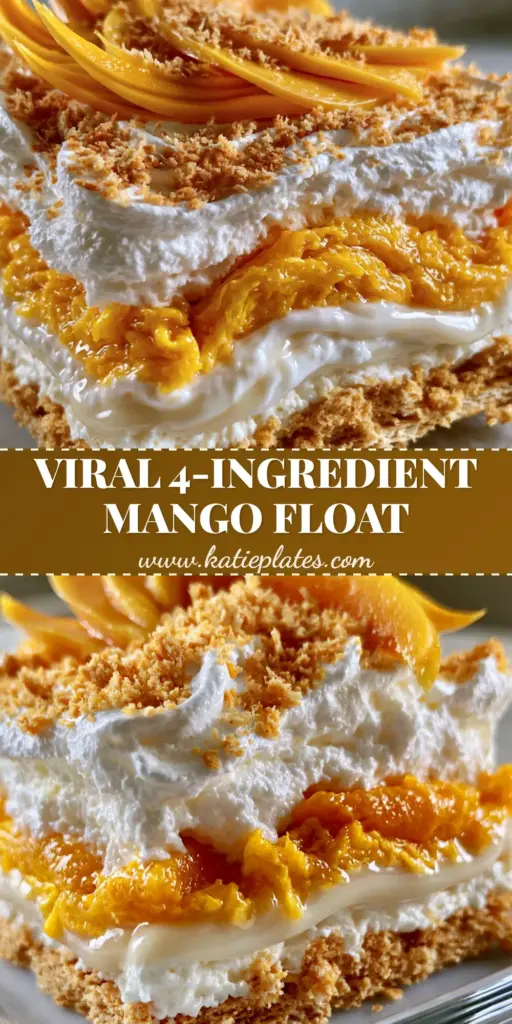
Mango Float Recipe: The Ultimate Guide to the Best Filipino Graham Cake
Ingredients
Equipment
Method
- Slice the mango cheeks and cut into thin, uniform pieces. Reserve one cheek for creating thin decorative fans for the top garnish.
- In a chilled bowl, beat heavy cream until soft peaks form. Add condensed milk and vanilla, whipping until the mixture is thick and velvety.
- Press the honey-gold crushed graham crackers into the bottom of a glass dish to create a firm, even foundation.
- Spread a layer of cream over the crackers, followed by a layer of mango slices. Repeat until all ingredients are used, ensuring distinct vertical stripping.
- Top with mango fans and a dusting of fine graham cracker crumbs. Chill for at least 6 hours or overnight before slicing.
Notes
Ensure the cream is very cold to maintain the airy structure.
Closing & Call to Action
Mastering the mango float recipe is a rite of passage for anyone who loves tropical desserts. The combination of juicy Manila mangoes, airy whipped cream, and honey-gold graham crackers creates a sensory experience that is hard to beat. We hope this guide helps you achieve those perfect vertical layers and sophisticated garnishes.
Did you try this recipe? We would love to hear about your results in the comments below! Don’t forget to share your beautiful photos and tag us on Pinterest so we can see your culinary masterpieces.