Forget everything you think you know about soggy, mayo-laden pantry meals because these canned tuna recipes are about to undergo a gourmet revolution. Imagine opening a simple tin and transforming it into a vibrant, chef-quality masterpiece that glistens under the afternoon sun. This isn’t just a quick fix; it’s a sensory experience that balances briny, zesty, and earthy notes in every single bite.
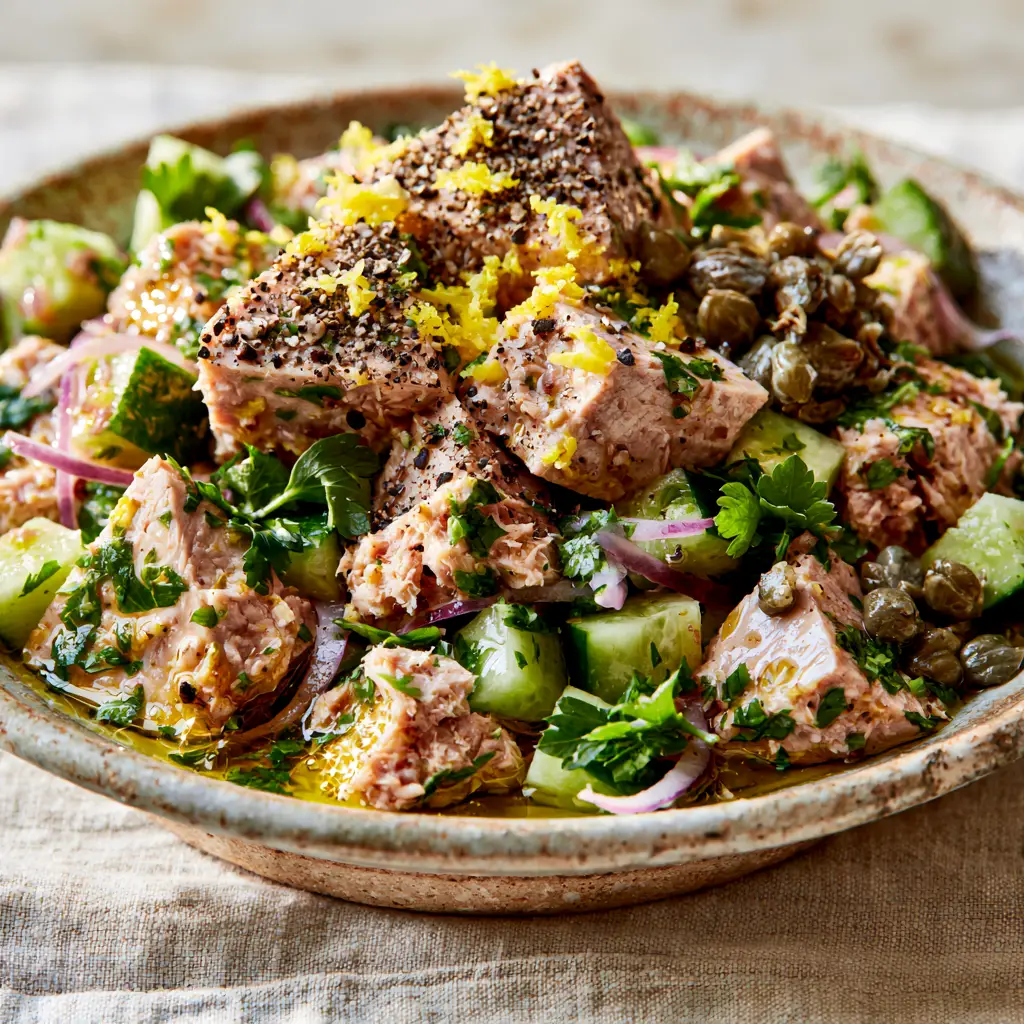
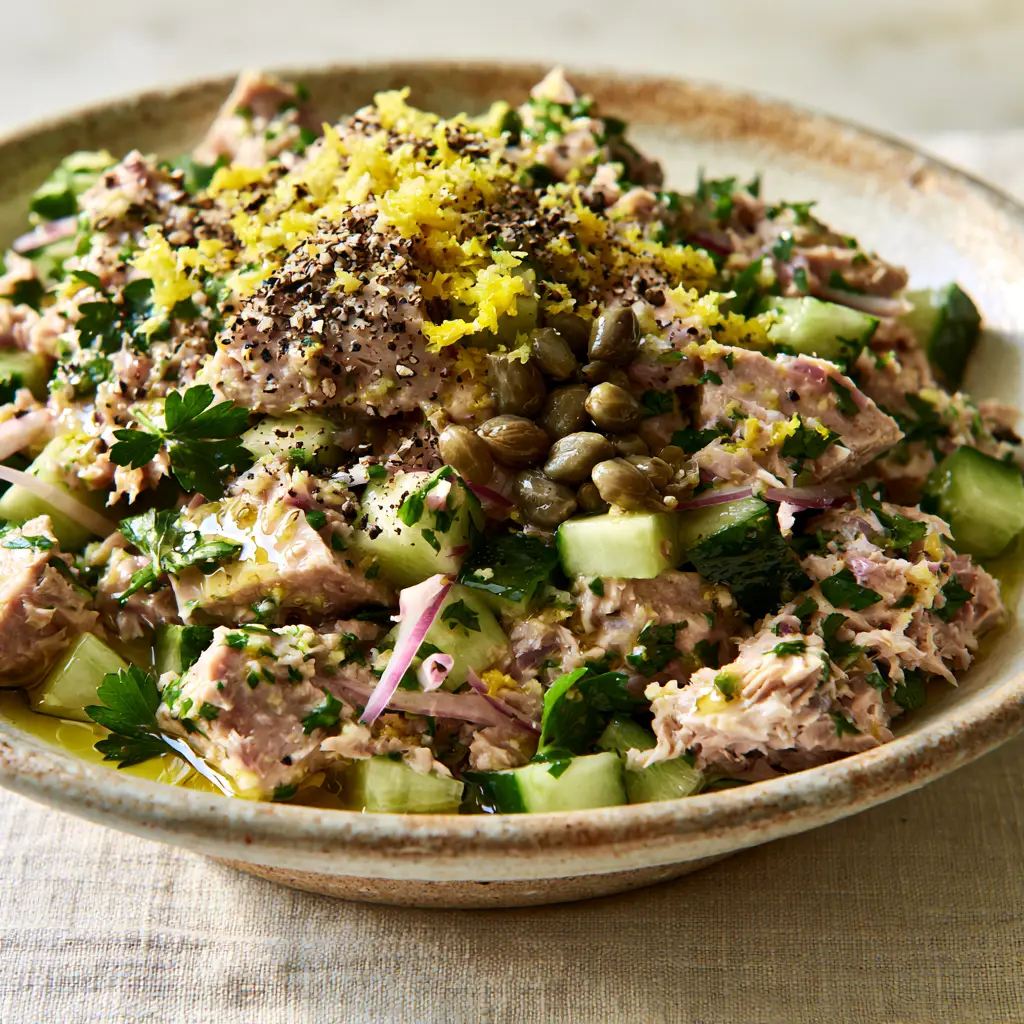
When you look at a rustic ceramic bowl filled with large, meaty flakes of tuna, you realize that the humble pantry staple is the secret to high-protein elegance. By moving away from the heavy binders of traditional salads, we allow the natural texture of the fish to shine. The result is a dish that looks like it was plucked straight from a sun-drenched coastal cafe in the Mediterranean.
This specific preparation focuses on visual texture and aromatic complexity, using the brightness of lemon and the richness of extra virgin olive oil to create a “sauce” that coats rather than masks. Whether you are meal prepping for a busy week or hosting a light weekend brunch, this approach to tuna will become your new gold standard for healthy, fast, and beautiful eating.
The Visual and Textural Allure of Gourmet Tuna Bowls
- Meaty Flake Consistency: Unlike shredded versions, we prioritize large, chunky light tuna pieces that provide a satisfying, steak-like mouthfeel.
- Vibrant Color Contrast: The deep green of fresh parsley and micro-greens pops against the bright yellow lemon zest and the jewel-toned red onions.
- Architectural Crunch: Precision-diced English cucumbers offer a refreshing architectural snap that counters the tenderness of the fish.
- Briny Spark: Whole green capers provide small explosions of salt and acid, acting as “flavor anchors” throughout the bowl.
- Glistening Finish: A deliberate drizzle of premium olive oil catches the light, signaling a moist and luxurious texture even before the first forkful.
The Mediterranean Pantry Staples for This Vibrant Bowl
To achieve the level of quality seen in high-end canned tuna recipes, every ingredient must serve a structural and flavor-driven purpose. We start with 2 cans (approx. 5oz/142g each) of high-quality chunk light tuna. This variety is preferred over albacore for this recipe because it holds its flake better when tossed gently with oil and citrus.
You will need 1 cup (150g) of English cucumber, specifically chosen for its thin skin and minimal seeds. This ensures your salad remains crisp and doesn’t become watery after sitting for an hour. Complementing this is 1/4 cup (40g) of red onion, which should be sliced into paper-thin slivers to provide a sharp “bite” without overwhelming the delicate fish.
For the herbal heart of the dish, use 1/2 cup (15g) of fresh chopped flat-leaf parsley. Do not substitute with dried herbs; the fresh oils in the parsley are essential for that “just-picked” Mediterranean aroma. You’ll also need 2 tbsp (30g) of whole green capers, drained and patted dry to maintain their firm texture.
The “liquid gold” that ties it all together consists of 3 tbsp (45ml) of premium extra virgin olive oil and the zest and juice of 1 large organic lemon (approx. 2 tbsp juice). Finishing touches include 1/2 tsp (3g) of sea salt flakes, 1/2 tsp (2g) of freshly cracked black pepper, and a handful of delicate micro-greens for a professional garnish. These final additions are what transform a simple meal into a photograph-worthy event.
Essential Culinary Tools for Precision Assembly
To replicate the 45-degree close-up aesthetic of our visual blueprint, you need the right tools for precision. A sharp Chef’s knife is non-negotiable for achieving those uniform cucumber dice and translucent onion slivers. A microplane or fine zester is required to produce the “sparkling” yellow lemon dust that sits atop the tuna flakes.
A rustic ceramic bowl, as mentioned in our inspiration, helps retain a slight chill and provides a beautiful textural contrast to the ingredients. Finally, use a wide-tined fork or a pair of small silicone spatulas for folding. Using a heavy spoon will mash the tuna, destroying the “meaty, flaky chunks” that define this premium preparation.
Phase 1: Preparing the Foundation of Flavor
Standardizing the Tuna Texture
Begin by draining your canned tuna thoroughly. However, do not squeeze it into a dry puck; you want to retain just enough moisture so the flakes remain supple. Gently transfer the tuna into your rustic bowl, using your fingers or a fork to break the large pieces into 1-inch (2.5cm) chunks. This preservation of structure is a hallmark of elite canned tuna recipes.
The Cold-Crunch Component
Wash your English cucumber and dice it into uniform 1/4-inch (0.6cm) cubes. The uniformity is key for even distribution, ensuring every bite has a crunch. Slice the red onion into the thinnest possible half-moons; if the onion flavor is too sharp for your palate, soak the slices in ice water for 5 minutes then pat dry to mellow the sulfurous bite.
Phase 2: The Art of the Mediterranean Dressing
Zesting and Emulsifying
Before cutting your lemon, use a microplane to remove only the bright yellow zest, avoiding the bitter white pith. Set the zest aside. Squeeze the lemon juice directly over the tuna chunks; the acid will begin to “tighten” the proteins and brighten the flavor. Drizzle the extra virgin olive oil in a slow stream, allowing it to coat the ridges of the fish flakes.
Incorporating Briny and Herbal Notes
Add the chopped flat-leaf parsley and the whole capers to the bowl. The capers should be whole to provide visual interest and “flavor bursts.” Gently fold the mixture from the bottom up. Your goal is to coat the ingredients in the oil and lemon without breaking down the tuna chunks into a paste.
Phase 3: Final Seasoning and High-End Garnish
Developing the Spice Profile
Sprinkle the sea salt flakes and cracked black pepper from a height of about 12 inches (30cm). This ensures an even distribution across the surface. The sea salt flakes provide a different tactile experience than fine table salt, offering occasional hits of pure mineral saltiness that complement the capers.
The Finishing Visual Touches
Top the salad with the reserved lemon zest. The oils in the zest are highly aromatic and will be the first thing your nose detects. Finally, nestle a small bunch of micro-greens in the center or scattered across the top. This adds a “fine dining” verticality to the dish, making it look as though it was prepared by a professional chef.
Expert Tips for Perfect Tuna Every Time
- Temperature Control: Serve this salad slightly chilled or at cool room temperature. If the tuna is too cold, the olive oil may thicken and lose its glistening sheen.
- Oil Selection: Since there is no cooking involved, use your best “finishing” olive oil. Look for words like “peppery” or “grassy” on the label to enhance the Mediterranean profile.
- The “Resting” Rule: Let the salad sit for 5-10 minutes before serving. This allows the lemon juice to penetrate the red onions and slightly soften their texture.
- Tuna Varieties: While we use chunk light, you can apply this technique to seared ahi tuna leftovers for an even more luxurious experience.
Elevating Your Meal: What to Serve with Mediterranean Tuna
This salad is remarkably versatile. For a complete lunch, serve it alongside a warm piece of crusty sourdough or inside a toasted pita. If you are looking for more seafood inspiration, consider pairing this with a side of seafood pasta for a multi-course dinner. For those following a lower-carb lifestyle, this tuna salad is a natural companion to avocado-based dishes.
If you’re hosting a brunch with a global flair, these canned tuna recipes fit perfectly next to traditional Arabic breakfast spreads or even a light Greek salad. The clean flavors of lemon and parsley make it a refreshing palate cleanser between heavier items.
Storage and Freshness Guidelines
Because this recipe uses fresh lemon juice and cucumbers, it is best enjoyed within 24 hours. The salt will eventually draw moisture out of the cucumbers, leading to a pool of liquid at the bottom of the bowl. If you must store it, keep it in an airtight glass container in the refrigerator.
To revive leftovers, add a fresh squeeze of lemon and a tiny drizzle of olive oil to restore the “glistening” look. We do not recommend freezing this salad, as the texture of the fresh vegetables and the emulsified oil dressing will degrade significantly upon thawing.
Answering Your Top Tuna Salad Questions
You can prep the ingredients ahead of time, but it is best to toss the salad with the dressing no more than 30-60 minutes before serving to maintain the crisp texture of the cucumber and onions.
To prevent wateriness, use English cucumbers (which have fewer seeds), drain the tuna thoroughly, and add the salt just before serving to prevent the vegetables from releasing moisture.
Yes, canned tuna is an excellent high-protein, low-calorie food. By using olive oil and lemon instead of mayonnaise, you add healthy fats while keeping the overall meal nutrient-dense.
If you don’t like capers, you can substitute them with finely chopped green olives or dill pickles to achieve that same briny, salty punch.
For a Mediterranean-style salad, Chunk Light tuna is often best because it holds its large, meaty flakes better than Albacore, which can be quite dry and crumbly.
The Master Blueprint for Glistening Mediterranean Tuna Salad
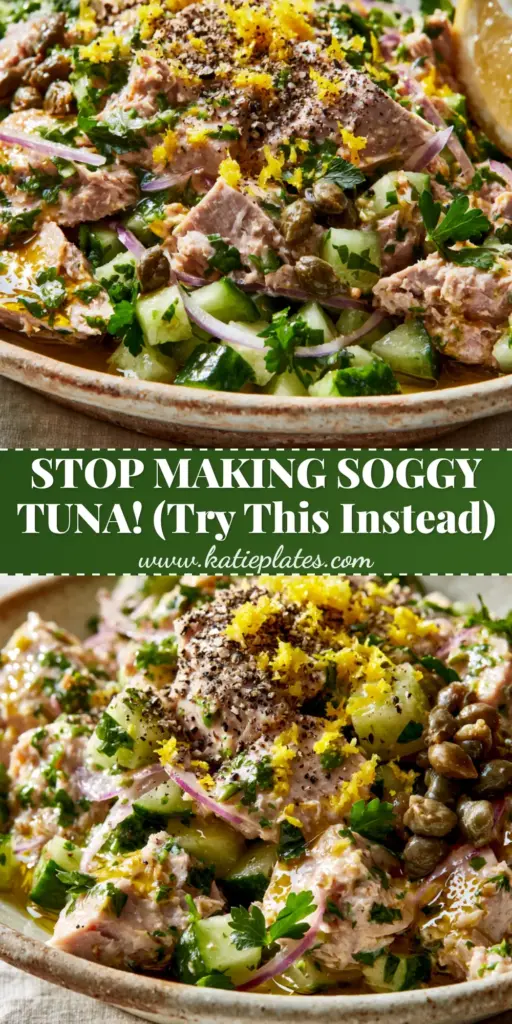
Canned Tuna Recipes Reimagined: The Ultimate Glistening Mediterranean Salad
Ingredients
Equipment
Method
- Drain the tuna cans and transfer to a rustic bowl. Gently break the tuna into large, meaty chunks using a fork, ensuring you don't mash the fish.
- Dice the English cucumber into 1/4-inch (0.6cm) cubes and thinly slice the red onion. Add both to the bowl along with the chopped parsley and whole capers.
- Drizzle the extra virgin olive oil and lemon juice over the mixture. Use a fork to gently fold the ingredients until every flake of tuna glistens with the dressing.
- Sprinkle with sea salt flakes, cracked black pepper, and the freshly grated lemon zest. Top with micro-greens and serve immediately for peak freshness.
Notes
For a milder onion flavor, soak red onion slices in ice water for 5 minutes before adding to the salad.
Transform Your Pantry Into a Coastal Escape
Mastering canned tuna recipes is about more than just convenience; it’s about respecting the ingredients and applying simple culinary techniques to achieve extraordinary results. This Mediterranean bowl proves that with a few fresh herbs, a bit of citrus, and high-quality oil, a humble tin of fish can become a gourmet highlight of your week.
I would love to see your vibrant creations! If you enjoyed this recipe, please leave a comment below or share your photos on Pinterest. Your feedback helps our community of home cooks grow, and your shares ensure that more people can discover the joy of elevated pantry cooking. Don’t forget to sign up for our newsletter for more visual recipe blueprints delivered straight to your inbox!