Arabic breakfast recipes are more than just a morning meal; they are a vibrant, communal experience that centers around bold spices, fresh herbs, and the comforting warmth of shared bread. Among the pantheon of Middle Eastern morning staples, few dishes command as much attention as a steaming, rustic skillet of Shakshuka.
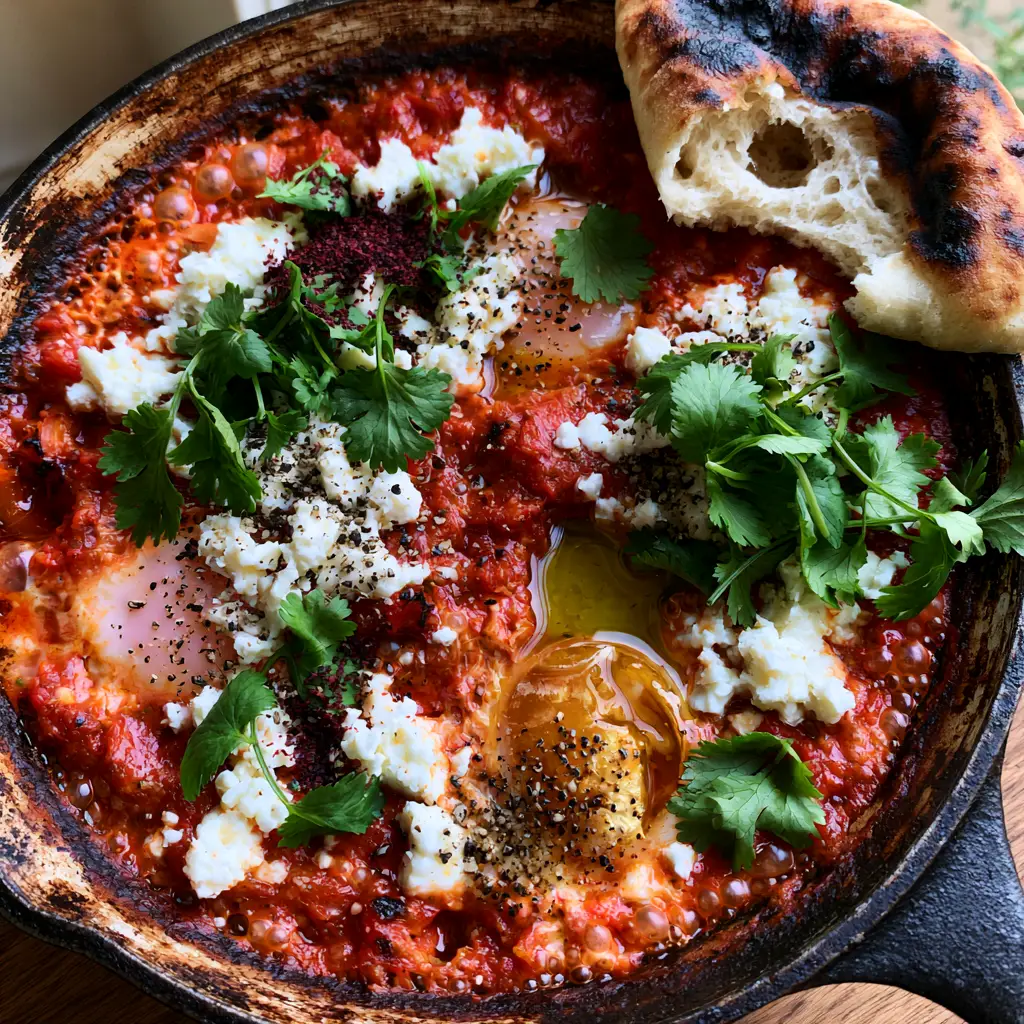
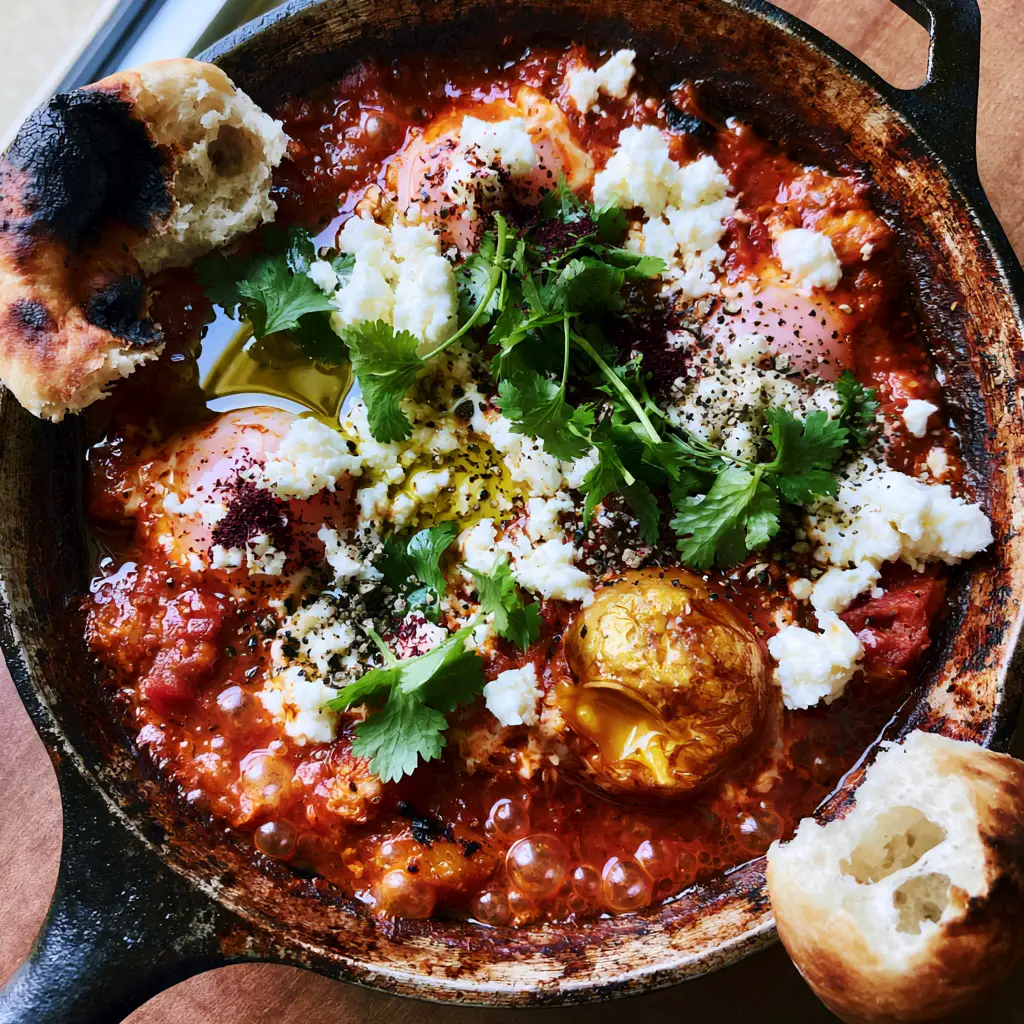
Imagine a thick, chunky, vibrant red tomato and charred bell pepper sauce bubbling away in a seasoned black cast iron skillet. The aroma of toasted cumin and smoky paprika fills the air, while the sight of perfectly poached eggs with golden, liquid yolks invites you to dive in with a piece of airy, charred pita bread.
In this guide, we are performing a deep dive into the culinary science of the perfect Shakshuka. We will explore how to achieve that forensic visual accuracy—from the glistening drizzle of extra virgin olive oil to the specific tang of dark red sumac powder—ensuring your breakfast is as beautiful as a professional macro photograph.
Why This Skillet Shakshuka Defines Arabic Breakfast Recipes
- The Texture of the Sauce: A perfect balance of chunky bell peppers and a thick, concentrated tomato base that holds its shape when scooped.
- The “Liquid Gold” Factor: Eggs poached to a precise degree where the whites are set but the yolks remain fluid and ready to coat every bite.
- Aromatic Depth: A complex layering of sumac, cumin, and red chili flakes that provides a heat that warms rather than burns.
- Visual Contrast: The stark white of crumbled feta against the deep crimson sauce, accented by the bright, fresh green of hand-chopped cilantro.
- The Charred Element: Puffy, airy pita bread with intentional char marks to provide a smoky counterpoint to the acidic tomatoes.
Essential Components for a Master-Level Breakfast Skillet
To recreate the exact visual and flavor profile described in our blueprint, every ingredient must serve a specific culinary purpose. We are not just making a sauce; we are building a foundation of flavor.
Extra Virgin Olive Oil: You will need 3 tbsp (45ml) of high-quality oil. This isn’t just for sautéing; the final drizzle creates that natural glisten seen under soft window lighting, adding a luxurious mouthfeel to the acidic sauce.
Red Bell Peppers: Use 2 large (approx. 300g) peppers, finely diced. We char these slightly during the initial sauté to replicate the smoky, “charred” notes found in authentic Levantine cooking.
Canned Crushed Tomatoes & Tomato Paste: 2 cups (480ml) of crushed tomatoes provide the bulk, while 2 tbsp (32g) of paste adds the “vibrant red” intensity and thickness required for a bubbling, non-watery sauce.
The Spice Quadriad: A combination of 1 tsp (2g) ground cumin, 1 tsp (2g) smoked paprika, 1/2 tsp (1g) red chili flakes, and 1 tsp (2g) dark red sumac powder. The sumac is critical for its unique, citrusy astringency that defines many Mediterranean-style breakfast spreads.
Farm-Fresh Eggs: 4 to 6 large eggs. The freshness of the eggs determines how well the whites stay contained in the sauce “nests” rather than spreading and thinning out.
Crumbled Feta Cheese: 1/2 cup (75g) of high-moisture white feta. We want creamy crumbles that soften but do not completely melt, providing a salty contrast to the spiced base.
Fresh Cilantro: 1/4 cup (15g) of leaves, freshly chopped. This provides the “bright green” visual pop and a cooling herbal finish to the steaming skillet.
Must-Have Equipment for Forensic Culinary Accuracy
Achieving the look of a “rustic, seasoned black cast iron skillet” requires, unsurprisingly, a 10-inch or 12-inch cast iron skillet. The heavy thermal mass of cast iron ensures the sauce bubbles evenly and retains heat long after it leaves the stove.
You will also need a sharp chef’s knife for the “macro-shot” precision of the cilantro and pepper dice. For the bread, a gas burner or a very hot grill pan is necessary to achieve the “charred, puffy pita” look with its characteristic airy interior.
If you enjoy these types of hearty, one-pan vegetable-forward dishes, you might also be interested in our chicken and vegetable recipes for a high-protein dinner alternative.
Step-by-Step Instructions: Building the Perfect Shakshuka
Searing the Aromatics and Charring Peppers
Heat 2 tbsp (30ml) of the extra virgin olive oil in your cast iron skillet over medium-high heat. Add 1 finely diced yellow onion and the red bell peppers. Sauté for 8-10 minutes.
Visual Cue: Look for the edges of the peppers to take on a slight blackened char. The onions should be translucent and beginning to caramelize, providing the sugar base for our acidic tomatoes.
Developing the Spiced Tomato Base
Stir in 3 cloves of minced garlic, the cumin, paprika, and chili flakes. Toast the spices for 60 seconds until fragrant. Add the tomato paste, stirring constantly for 2 minutes to “cook out” the raw metallic taste and deepen the color to a dark burgundy.
Pour in the 2 cups (480ml) of crushed tomatoes. Reduce heat to low and simmer for 15 minutes. The sauce is ready when it is thick enough that a spoon drawn through it leaves a clear trail that fills slowly.
The Precise Egg Poaching Technique
Using the back of a large spoon, create 4 to 6 deep “nests” or wells in the bubbling sauce. Crack an egg into a small ramekin first, then gently slide it into a well. Repeat for all eggs.
Cover the skillet with a lid for 3-5 minutes. Sensory Cue: You are looking for the egg whites to turn opaque and firm, while the yolks still jiggle slightly when the pan is gently shaken. This ensures the “golden, liquid yolk” result mentioned in the blueprint.
Garnishing for Professional Presentation
Remove the skillet from the heat immediately. Sprinkle the 1/2 cup (75g) of crumbled feta across the surface. Add the dark red sumac powder in a focused dusting, followed by the cracked black pepper and red chili flakes.
Finally, scatter the fresh cilantro leaves. The residual steam from the sauce will wilt the herbs just enough to release their aroma without losing their vibrant green hue. Finish with a final 1 tbsp (15ml) drizzle of extra virgin olive oil for that photographic glisten.
Expert Tips for Success
- Room Temperature Eggs: Cold eggs can drop the temperature of your sauce too quickly, leading to uneven cooking. Let them sit on the counter for 20 minutes before cracking.
- Don’t Over-Simmer: If the sauce becomes too dry, the eggs will fry rather than poach. Add 2 tbsp (30ml) of water if the base looks more like a paste than a thick sauce.
- The Pita Char: To get that “puffy” look, wrap your pita in a damp paper towel and microwave for 10 seconds before charring it directly over a gas flame for 5 seconds per side.
- Sumac Substitution: If you cannot find sumac, a very fine grating of lemon zest mixed with a pinch of salt can mimic its bright, acidic profile.
What to Serve With Arabic Breakfast Recipes
While this skillet is a meal in itself, it is traditionally part of a larger spread. Pairing it with batata harra (Lebanese spicy potatoes) adds a crispy texture that complements the soft eggs.
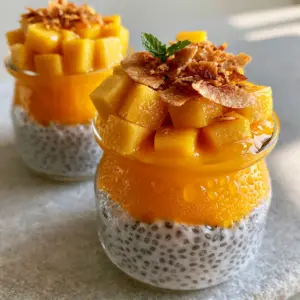
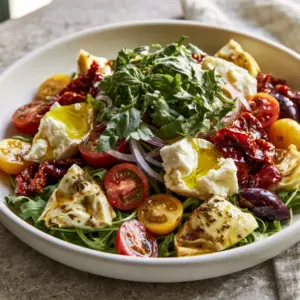
For a lighter side, a simple cucumber and tomato salad or a bowl of creamy labneh is excellent. If you are looking to balance the savory heat with something sweet, consider a side of mango coconut chia pudding or even some classic pancakes for a full brunch feast.
Storage, Reheating, and Make-Ahead Advice
Shakshuka is best enjoyed immediately to preserve the integrity of the liquid yolks. However, you can prepare the spiced tomato and pepper base (the “matbucha”) up to 3 days in advance. Store it in an airtight container in the refrigerator.
When ready to serve, simply reheat the sauce in your cast iron skillet until bubbling, then proceed with poaching the fresh eggs. We do not recommend freezing the finished dish, as the texture of the poached eggs and feta will degrade significantly upon thawing.
Frequently Asked Questions
Yes, simply omit the feta cheese. The dish remains flavorful and authentic without it, as the spiced tomato base and eggs are the primary components.
While not strictly required, sumac provides a specific tart, lemony flavor profile common in Arabic breakfast recipes that distinguishes it from Western tomato-and-egg dishes.
A heavy-bottomed stainless steel or non-stick frying pan will work, but you may lose some of the rustic char and heat retention that cast iron provides.
The key is to cover the skillet with a lid and cook on low heat for exactly 3-5 minutes. Start checking at the 3-minute mark; the whites should be opaque, but the yolk should still ‘jiggle’ when the pan is moved.
Watery sauce usually happens if the bell peppers weren’t sautéed long enough or if the crushed tomatoes weren’t simmered down. Ensure you cook the sauce until a spoon leaves a clear trail through the bottom of the pan.
Authentic Skillet Shakshuka Recipe
Arabic breakfast recipes: The Ultimate Skillet Shakshuka with Feta and Charred Pita
Ingredients
Equipment
Method
- Heat oil in cast iron skillet. Add onions and bell peppers, sautéing until peppers are slightly charred.
- Add garlic and spices, then tomato paste. Stir in crushed tomatoes and simmer until thick and bubbling.
- Make wells in the sauce and crack eggs into them.
- Cover and cook for 3-5 minutes until whites are set but yolks remain liquid.
- Remove from heat. Sprinkle with feta, sumac, cilantro, and chili flakes. Drizzle with remaining olive oil.
Notes
Char the pita bread directly over a gas flame for authentic flavor.
Final Thoughts on Mastering Arabic Breakfast Recipes
Mastering the art of Arabic breakfast recipes like this Shakshuka is about embracing the balance of heat, acidity, and texture. Whether you are hosting a weekend brunch or simply elevating your morning routine, the visual appeal of a steaming cast iron skillet is unmatched.
If you enjoyed this recipe, please leave a comment below and let us know how your liquid yolks turned out! Don’t forget to share your creations and follow us for more culinary inspiration at Pinterest.
***