There is a specific culinary magic that happens when a humble tuber meets the aggressive acidity of lemon and the conductive heat of high-quality extra virgin olive oil. These Greek roast potatoes are not your average side dish; they are a masterclass in textural contrast, featuring a skin so crisp it mimics shattered glass and an interior so light it feels like a savory cloud.
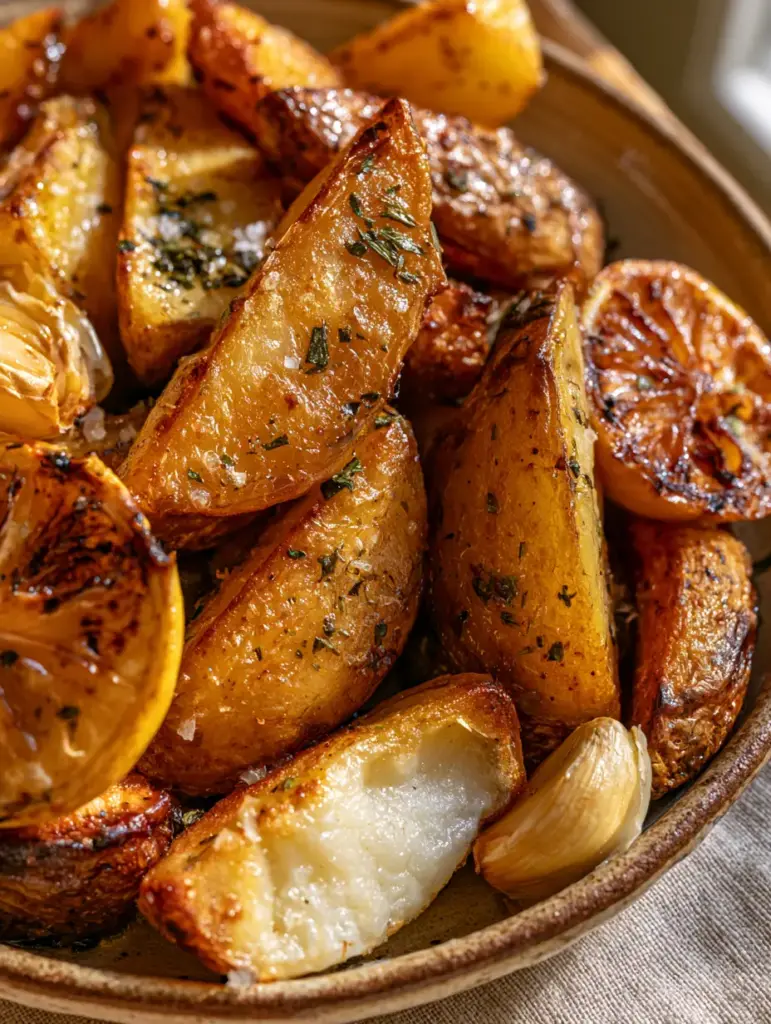
When you pull these from the oven, you aren’t just looking at food; you are looking at a visual symphony of deep translucent golden-brown hues and charred citrus. The aroma of dried Mediterranean oregano hitting hot oil is enough to transport any kitchen directly to a seaside taverna in Mykonos.
Whether you are serving these alongside Greek chicken souvlaki bowls or as the star of a spread of vegetarian Greek side dishes, the result is consistently breathtaking. Let’s dive into the forensic details of how to achieve this professional food blog aesthetic in your own home kitchen.
The Anatomy of the Perfect Greek Lemon Potato
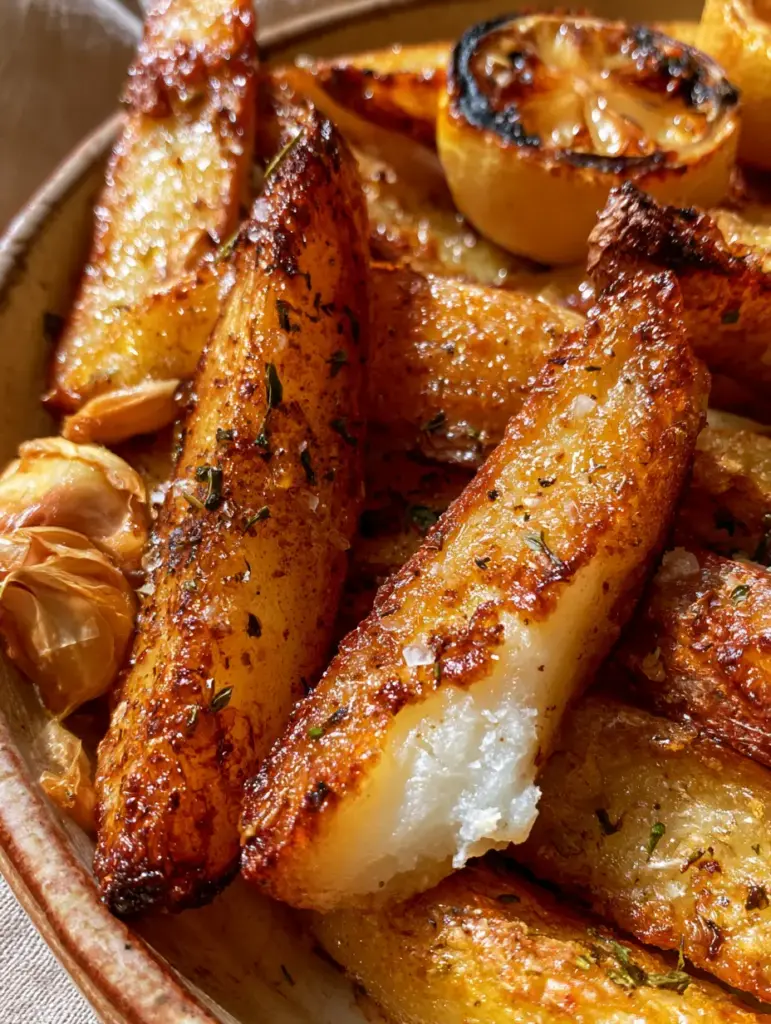
- The “Shattered Glass” Crust: Achieved through a specific parboiling technique that creates tiny air bubbles on the surface, which then dehydrate and crisp into a translucent, golden shell.
- The Fluffy Steamed Interior: By using Yukon Gold potatoes, we ensure a buttery, starch-rich center that stays moist while the exterior undergoes the Maillard reaction.
- Charred Citrus Infusion: Whole lemon wheels are roasted alongside the wedges, caramelizing their natural sugars and infusing the oil with a deep, mellow tang.
- Whole Roasted Garlic: Keeping the skins on the garlic cloves allows the interior to steam into a spreadable paste, providing sweet, nutty notes without the bitterness of burnt minced garlic.
The Scientific Selection: Ingredients for Success
To achieve the exact visual and textural results described in our blueprint, we must be intentional with our pantry choices. Every ingredient serves a structural or chemical purpose in the roasting process.
3 lbs (1.4kg) Yukon Gold Potatoes: These are non-negotiable for this recipe. Their medium-starch content provides the structural integrity needed for thick wedges while ensuring that “stark white, steaming, fluffy texture” mentioned in our visual prompt.
1/2 cup (120ml) Extra Virgin Olive Oil: This is the heat conductor. We use a generous amount to essentially “shallow fry” the potato skins as they roast, creating that oily sheen and incredible crunch.
1/4 cup (60ml) Fresh Lemon Juice & 2 Whole Lemons: The juice provides the acidic braising liquid, while the whole wheels become the charred, caramelized garnish that defines the dish’s visual identity.
1 cup (240ml) Chicken or Vegetable Stock: This is the “invisible” ingredient. Roasting the potatoes in a shallow layer of stock first steams the interiors to fluffiness before the liquid evaporates, allowing the fat to take over and crisp the skins.
8-10 Whole Garlic Cloves (Skin-On): Roasting garlic in its skin protects the delicate sugars from the high oven heat, resulting in the “soft roasted garlic cloves” seen in our reference photo.
2 tbsp (4g) Dried Mediterranean Oregano: Dried oregano is more potent and heat-stable than fresh for the roasting phase, allowing the tiny green flecks to become “caught in the crispy crevices.”
1 tbsp (15g) Flaky Sea Salt: These sparkling flakes provide the final seasoning and the crystalline visual pop against the deep golden potato skins.
1/2 cup (15g) Fresh Parsley: A final scatter of chopped parsley provides a bright green contrast to the warm tones of the roasted vegetables.
Essential Tools for Elite Roasting
Achieving a professional-grade lemon roasted potato requires the right heat distribution. Avoid thin, flimsy pans that cause hot spots and uneven browning.
A heavy-duty, large rimmed baking sheet (half-sheet pan) or a wide ceramic roasting platter is essential. You need enough surface area so the wedges aren’t crowded; crowding leads to steaming rather than crisping, which would ruin our “shattered glass” goal.
A sharp chef’s knife is also required to create clean, thick-cut wedges. Jagged edges will brown too quickly and burn before the center of the wedge is fully cooked.
The Step-By-Step Path to Golden Perfection
1. The Precision Wedge Cut
Start by scrubbing your Yukon Golds but do not peel them. The skin is vital for that translucent, crispy texture. Cut each potato into thick, uniform wedges—usually 6 to 8 pieces per potato depending on size.
2. The Starch-Release Parboil
Place the wedges in a large pot of cold, heavily salted water. Bring to a boil and simmer for exactly 8 minutes. You want the edges to be slightly softened but the wedge to remain intact. This step releases surface starches, which is the secret to those “visible air bubbles” on the finished crust.
3. The Flavor Braise
Drain the potatoes and let them steam dry for 2 minutes. Place them on your roasting pan. Whisk together the olive oil, lemon juice, stock, and dried oregano. Pour this over the potatoes, tossing to coat every crevice.
4. Incorporating the Aromatics
Nestle the skin-on garlic cloves and the sliced lemon wheels between the potato wedges. Ensure the potatoes are in a single layer. The lemon wheels should be in direct contact with the pan to ensure they achieve that “charred, caramelized” look from the blueprint.
5. The High-Heat Transformation
Roast at 425°F (220°C) for 45-55 minutes. Halfway through, use a metal spatula to carefully flip the wedges. You will notice the liquid evaporating and the oil beginning to sizzle. This is when the “glass-like” skin begins to form.
6. The Forensic Finish
In the final 10 minutes, look for the potatoes to take on a deep, translucent golden-brown color. The lemon wheels should have blackened edges, and the garlic should feel soft when pressed. Remove from the oven and immediately sprinkle with the flaky sea salt and fresh parsley while the oil is still shimmering.
Expert Tips for the Ultimate Crunch
- Don’t Skip the Steam Dry: After parboiling, letting the potatoes sit in the colander for a few minutes allows excess moisture to evaporate. This ensures the oil can immediately begin crisping the skin rather than fighting off surface water.
- The Metal Pan Advantage: While ceramic looks beautiful for serving, a dark metal baking sheet will produce a superior “shattered glass” crust due to better heat conduction.
- The “Roughening” Technique: After draining the potatoes, give the colander a gentle shake. This scuffs the edges of the wedges, creating more surface area for the oil to cling to, resulting in maximum crunch.
- Fresh vs. Dried: Always use dried oregano during roasting as it withstands the heat. Save the fresh herbs, like parsley or even a bit of fresh dill, for the very end to preserve their vibrant color.
Perfect Pairings and Internal Links
These Greek roast potatoes are incredibly versatile. They are the natural partner for a hearty Moroccan kefta kebab or even a sophisticated blanquette de porc if you want to cross culinary borders.
If you love this texture profile, you might also enjoy our Greek feta roast potatoes, which add a salty, creamy dimension to the dish. For a lighter meal, serve these wedges alongside a bowl of harira soup for a comforting Mediterranean dinner.
Frequently Asked Questions
While you can, Yukon Golds are preferred for their buttery texture and ability to hold their shape as wedges. Russets are more likely to fall apart during the parboiling and tossing phase.
Yes, parboiling is essential. It releases surface starches that create the signature ‘shattered glass’ texture and ensures the interior is perfectly fluffy and steamed.
Place the lemon wheels directly on the surface of the baking sheet rather than on top of the potatoes. The direct contact with the hot metal ensures caramelization and charring.
This usually happens if the pan is overcrowded, causing the potatoes to steam rather than fry. Ensure the wedges are in a single layer with space between them and use a metal baking sheet.
Leaving the skins on protects the garlic from the high roasting temperature (425°F), allowing it to soften into a sweet paste without burning and becoming bitter.
The Ultimate Greek Roast Potatoes Recipe
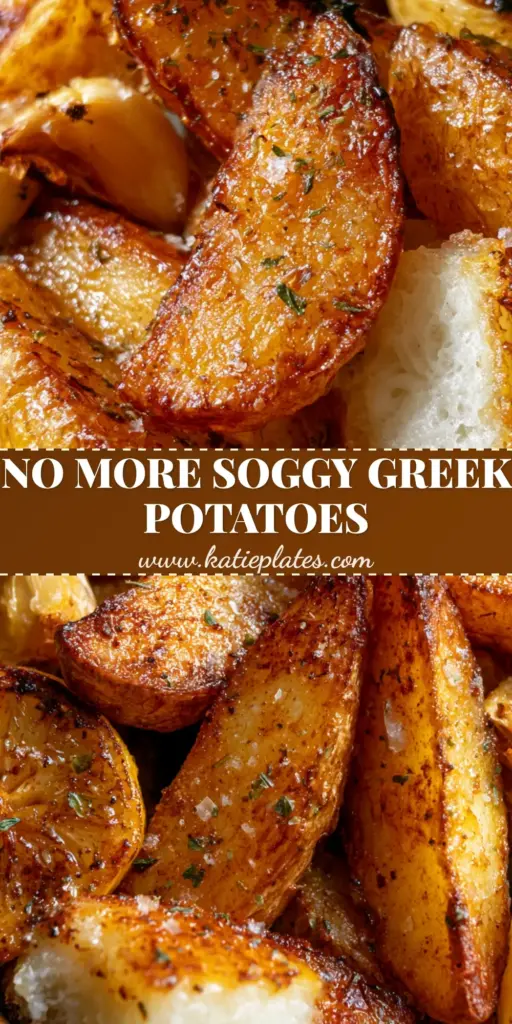
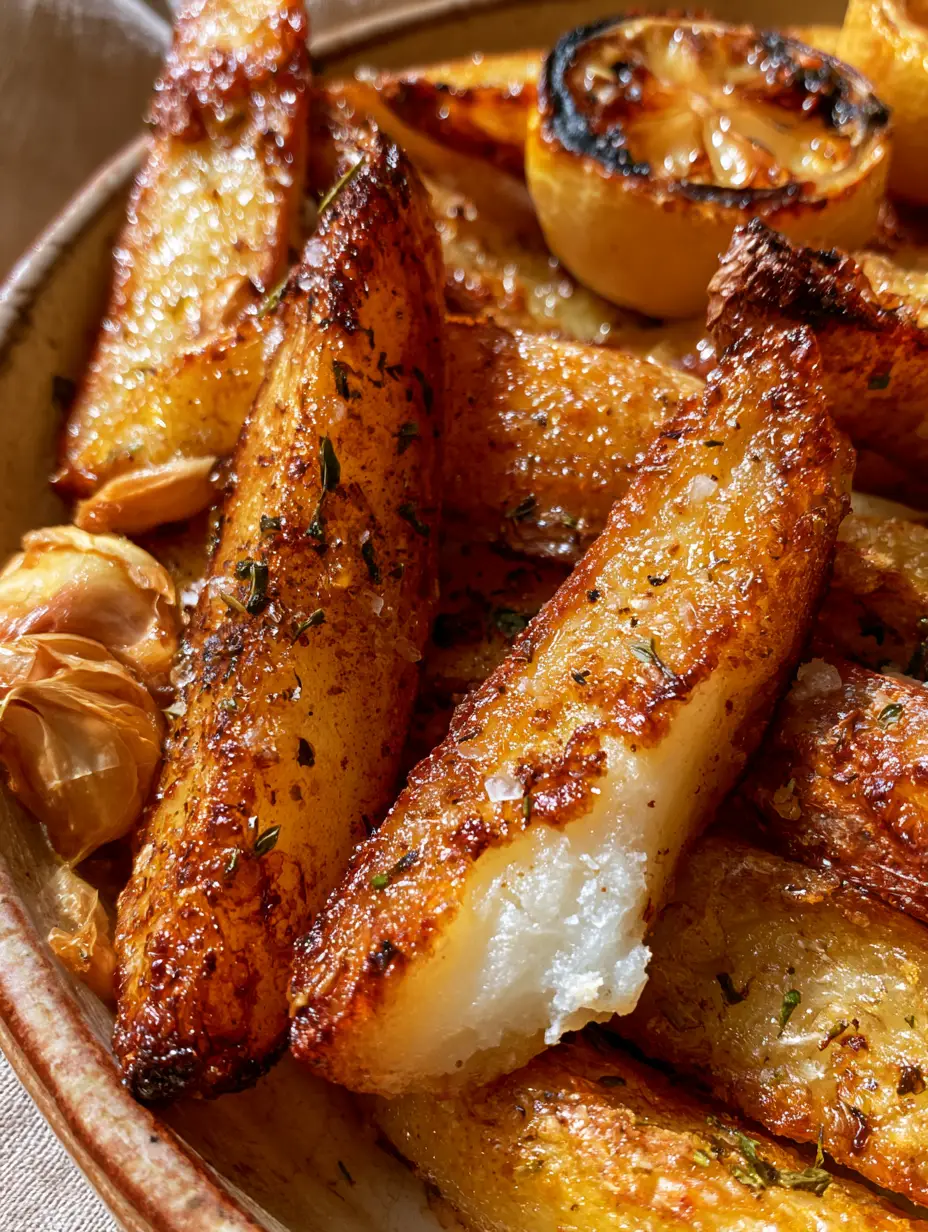
Greek roast potatoes With Shattered Glass Crust and Fluffy Centers
Ingredients
Equipment
Method
- Scrub Yukon Gold potatoes and cut into thick, uniform wedges. Do not peel.
- Place wedges in cold salted water, bring to boil, and simmer for 8 minutes. Drain and steam dry.
- Arrange potatoes on a baking sheet. Pour over olive oil, stock, lemon juice, and oregano. Toss to coat.
- Nestle garlic cloves and lemon wheels between the wedges in a single layer.
- Roast at 425°F (220°C) for 45-55 minutes, flipping halfway, until skins are deep golden-brown and glass-like.
Notes
Let potatoes steam dry after parboiling to ensure the oil adheres properly.
Closing & Call to Action
Mastering these Greek roast potatoes is a rite of passage for any home cook looking to elevate their side dish game. The combination of the acidic lemon braise and the high-heat oil roast creates a potato that is visually stunning and culinarily superior.
If you made these and achieved that perfect “shattered glass” crunch, I want to hear about it! Leave a comment below and let me know how your charred lemons turned out. Don’t forget to share your beautiful recreations on Pinterest and tag me!