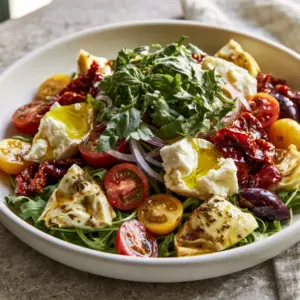
When you think of Vegetarian Greek side dishes, your mind might jump to a simple salad, but the true crown jewel of the Hellenic table is Briam. This traditional roasted vegetable medley is a symphony of colors, textures, and deep, sun-drenched flavors that transform humble garden produce into a gourmet experience. Our version focuses on achieving that perfect forensic visual: deeply caramelized edges, vibrant layers, and a rich tomato reduction that ties everything together.
This recipe isn’t just about tossing vegetables in a pan; it’s about the art of layering and the science of roasting. By following our specific techniques for vertical stacking, you ensure that every slice of eggplant, zucchini, and potato is kissed by the heat, resulting in a dish that looks exactly like a high-end culinary photograph. The addition of creamy feta and fresh oregano at the finish provides the sharp, herbal contrast needed to balance the rich, olive-oil-soaked vegetables.
Whether you are hosting a Mediterranean-themed dinner party or looking for a nutritious weeknight staple, these Vegetarian Greek side dishes offer a versatile solution. The natural sugars in the cherry tomatoes burst to create a “thick tomato reduction” that acts as a built-in sauce, eliminating the need for heavy creams or artificial thickeners. Let’s dive into how to master this rustic ceramic baking dish masterpiece.
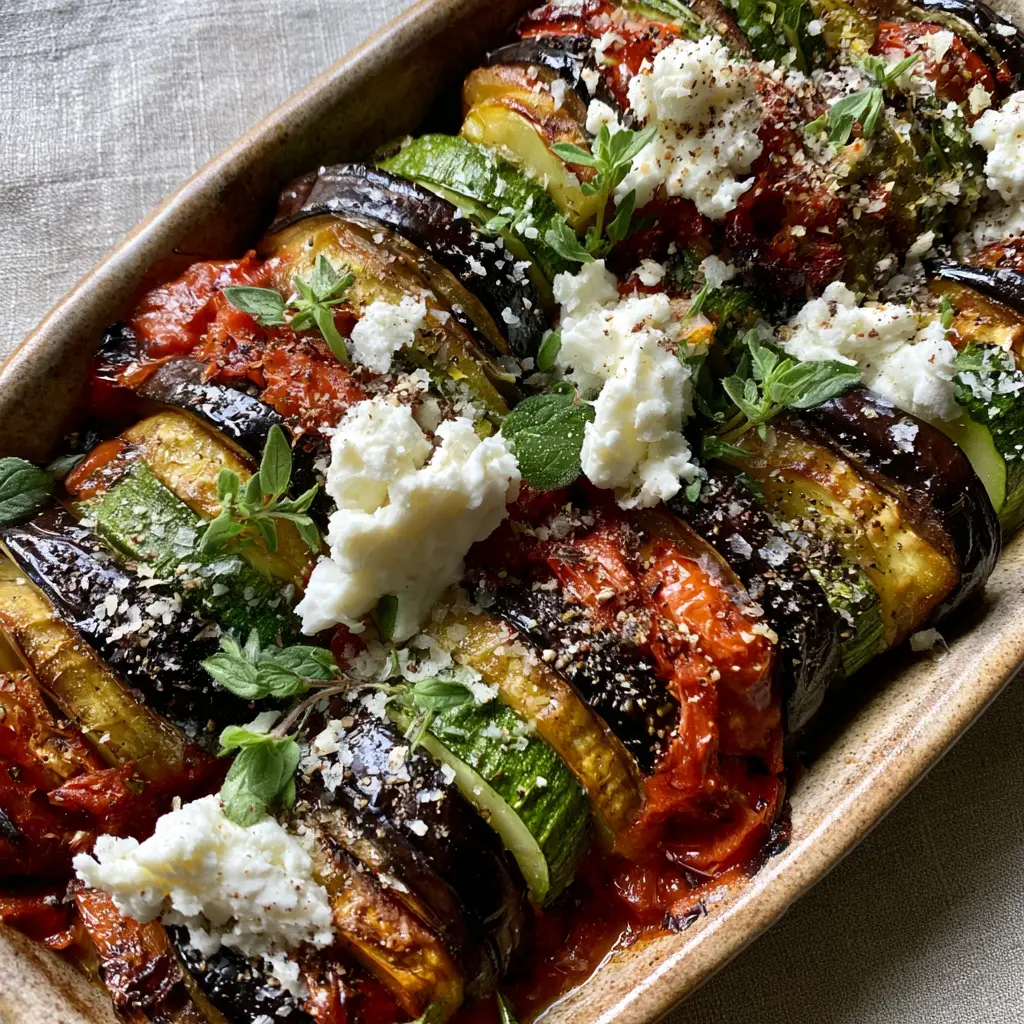
Why This Traditional Greek Briam Defines Vegetable Excellence
- Textural Contrast: You get the softness of slow-roasted eggplant paired with the crispy, golden-brown edges of Yukon Gold potato wedges.
- Visual Masterpiece: The vertical layering technique creates a professional, macro-shot-worthy presentation that impresses guests immediately.
- Natural Umami: Blistering the cherry tomatoes until they burst creates a rich, savory red sauce that coats every vegetable slice.
- Aromatic Depth: The combination of fresh emerald green oregano and flat-leaf parsley provides a fragrant finish that cuts through the richness of the extra virgin olive oil glaze.
- Dietary Friendly: Naturally gluten-free and vegetarian, this dish satisfies a wide range of nutritional needs without sacrificing flavor.
The Anatomy of Perfect Vegetarian Greek Side Dishes
Achieving the visual and flavor profile described in our blueprint requires specific ingredients. Each component serves a culinary purpose, ensuring the dish isn’t just beautiful, but structurally sound and delicious.
1 lb (450g) Globe Eggplant: The dark purple skin provides a stunning visual contrast. When sliced and roasted, eggplant acts as a sponge for the olive oil, becoming buttery and tender.
2 Medium (400g) Zucchini: Choose vibrant green zucchini for that pop of color. These rounds provide a fresh, slightly sweet element that balances the heavier potatoes.
3 Large (600g) Yukon Gold Potatoes: We use Yukon Golds because their high starch content allows them to develop those “golden-brown” charred edges while remaining creamy inside. This is a staple in traditional Greek potato recipes.
1 cup (150g) Cherry Tomatoes: These are essential for the “blistered” effect. As they heat, their skins pop, releasing juices that mix with the oil to form a thick tomato reduction.
1/2 cup (120ml) Extra Virgin Olive Oil: Use the highest quality oil you have. This creates the “glossy shimmer” seen in the visual prompt and acts as the primary cooking medium.
6 oz (170g) High-Quality Feta Cheese: Look for sheep’s milk feta in brine. We want “large, chunky crumbles” that don’t melt away, providing a salty, creamy punch to every bite.
Fresh Herbs (Oregano and Parsley): Freshness is key here. The sprigs of oregano and chopped flat-leaf parsley add the “emerald green” highlights that signify a fresh, home-cooked meal.
Seasoning Essentials: Flaky sea salt and cracked black pepper are the final touch. The coarse texture of flaky salt catches the light and adds a satisfying crunch to the caramelized vegetable edges.
Essential Culinary Tools for Roasting
To achieve the “rustic ceramic baking dish” look, you need a heavy-bottomed vessel that retains heat evenly. A 9×13 inch (23x33cm) ceramic or stoneware dish is ideal as it encourages the vegetables to caramelize rather than steam.
A sharp mandoline or a professional-grade chef’s knife is required to ensure the eggplant, zucchini, and potatoes are sliced to a uniform 1/4 inch (6mm) thickness. Uniformity is the secret to even cooking and that iconic vertical layered appearance.
Finally, a pastry brush is helpful for applying the “extra virgin olive oil glaze” evenly across the exposed edges of the vegetables, ensuring every surface achieves a golden-brown finish.
Step-by-Step Guide to Mastering Greek Briam
Preparing the Vegetable Base
Start by washing all your produce thoroughly. Slice the eggplant, zucchini, and potatoes into 1/4 inch (6mm) rounds. If the eggplant is particularly large, you can slice the rounds into halves to match the diameter of the zucchini.
Place the potato slices in a bowl of cold water for 10 minutes to remove excess starch. This is a pro-tip borrowed from our crispy Greek potato wedges technique; it helps the edges get that specific charred, golden-brown look without burning.
The Art of Vertical Layering
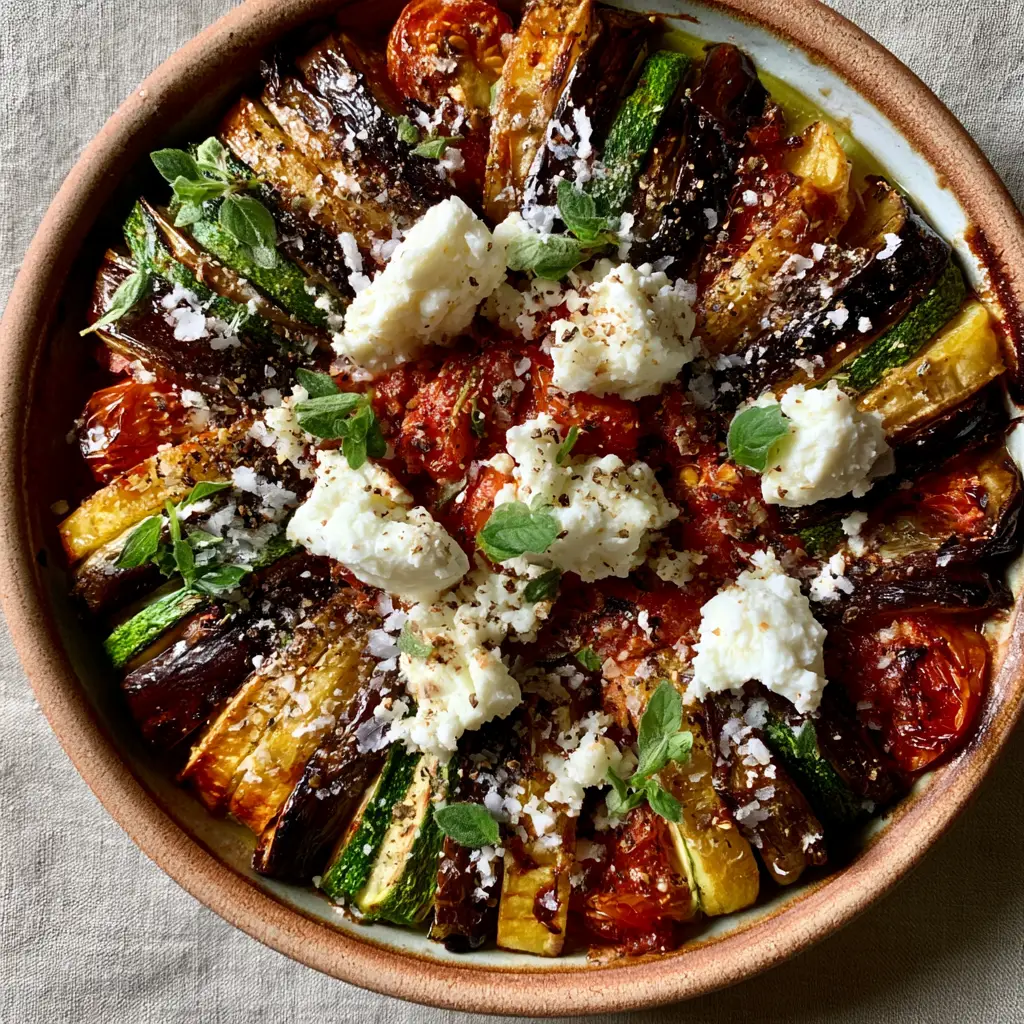
Drizzle 2 tablespoons (30ml) of olive oil into the bottom of your rustic ceramic dish. Begin layering the vegetables vertically, alternating between eggplant, zucchini, and potato. Pack them tightly so they support each other and stand upright.
Tuck the cherry tomatoes into the nooks and crannies between the slices. This placement ensures that as they blister, the juices flow directly onto the other vegetables, creating the necessary thick tomato reduction during the roasting process.
Roasting for Deep Caramelization
Whisk together the remaining olive oil with a teaspoon of flaky sea salt and cracked black pepper. Drizzle this generously over the top of the vegetables. Cover the dish tightly with foil and bake at 400°F (200°C) for 40 minutes.
After 40 minutes, remove the foil. This is the critical stage where the “charred edges” and “glossy shimmer” develop. Roast uncovered for another 20-30 minutes. You are looking for a visual cue: the potatoes should be golden-brown and the tomato skins should be wrinkled and burst.
The Final Garnish and Polish
Once the vegetables are tender and caramelized, remove the dish from the oven. While it’s still piping hot, scatter the large crumbles of white feta cheese over the top. The residual heat will soften the feta without losing its chunky shape.
Lay the fresh oregano sprigs across the dish and sprinkle the chopped flat-leaf parsley. Add one final heavy sprinkle of flaky sea salt and cracked black pepper to enhance the “macro shot” aesthetic. The emerald green herbs against the dark purple eggplant and red tomatoes create a stunning color palette.
Expert Tips for the Perfect Visual Result
- Squeeze the Eggplant: After slicing, salt the eggplant and let it sit for 15 minutes, then pat dry. This removes excess moisture, ensuring the eggplant caramelizes rather than becoming soggy.
- Potato Selection: If you can’t find Yukon Gold, Russets work well for crispiness, but Yukon Golds offer the best “golden” color for Vegetarian Greek side dishes.
- Don’t Scrimp on Oil: The olive oil is what creates the “glossy shimmer.” If the dish looks dry halfway through roasting, add another tablespoon (15ml) of oil.
- The Feta Factor: Always crumble the feta by hand. Pre-crumbled feta is often coated in potato starch to prevent clumping, which prevents it from getting that slightly soft, creamy texture in the oven.
How to Store and Revive Your Roasted Vegetables
Briam actually tastes better the next day as the flavors continue to meld. Store leftovers in an airtight container in the refrigerator for up to 4 days. The “tomato reduction” will thicken further, creating an even richer sauce.
To reheat, avoid the microwave as it can make the zucchini mushy. Instead, place the vegetables back in a ceramic dish and warm in a 350°F (175°C) oven for 10-15 minutes until the oil sizzles. This helps restore the “charred edges” and maintains the structural integrity of the dish.
Freezing is not recommended for this specific recipe, as the high water content in zucchini and eggplant causes the cell walls to break down when frozen, resulting in a watery texture upon thawing.
What to Serve With This Briam
While this dish is a powerhouse on its own, it pairs beautifully with other Mediterranean staples. For a complete feast, serve it alongside Greek chicken souvlaki bowls or a side of lemon roasted Greek potatoes for extra citrusy notes.
If you’re leaning into a fully vegetarian spread, consider adding a scoop of Moroccan zaalouk or some warm Moroccan msemen to scoop up the delicious tomato reduction and olive oil at the bottom of the dish.
Frequently Asked Questions
Absolutely. Simply omit the feta cheese or replace it with a high-quality almond-based or coconut-based vegan feta alternative to keep the dish entirely plant-based.
No, for this recipe we recommend keeping the skin on. The dark purple skin provides a beautiful visual contrast and helps the eggplant slices hold their shape during the long roasting process.
The secret is two-fold: soaking the potato slices in cold water for 10 minutes to remove excess starch and roasting the dish uncovered during the final 30 minutes of cooking at high heat.
This usually happens if the dish is overcrowded or if the foil isn’t removed. Ensure you use a large enough ceramic dish and roast uncovered for at least 25 minutes to allow moisture to evaporate and caramelization to occur.
The Ultimate Recipe for Greek Briam
Vegetarian Greek Side Dishes: The Ultimate Roasted Briam with Feta
Ingredients
Equipment
Method
- Slice eggplant, zucchini, and potatoes into uniform rounds. Soak potato slices in cold water for 10 minutes to ensure charred edges.
- Drizzle oil in the ceramic dish. Layer vegetables vertically, alternating slices. Nestling cherry tomatoes between slices.
- Drizzle with olive oil and seasoning. Cover with foil and bake at 400°F (200°C) for 40 minutes.
- Remove foil and roast for 20-30 minutes until vegetables have golden-brown charred edges and a glossy shimmer.
- Add large crumbles of feta, fresh oregano sprigs, and parsley. Finish with extra flaky sea salt.
Notes
Tip 2. Use a high-quality olive oil for the signature Greek gloss.
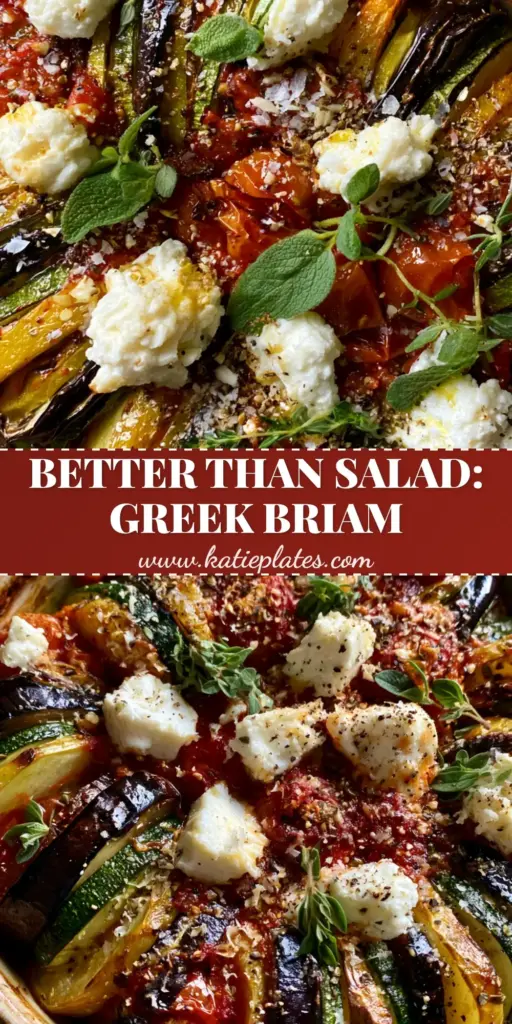
Bring the Mediterranean Home
Creating authentic Vegetarian Greek side dishes is about respecting the ingredients and giving them the time they need to transform in the oven. This Briam is a testament to how simple vegetables, when treated with the right technique, can become the star of any meal. The combination of charred edges, burst tomatoes, and salty feta creates a flavor profile that is both comforting and sophisticated.
We invite you to try this recipe and witness the forensic visual accuracy for yourself. Don’t forget to leave a comment below and tell us how yours turned out! If you loved the results, please share this recipe on Pinterest and tag @katieplates so we can see your beautiful creations.