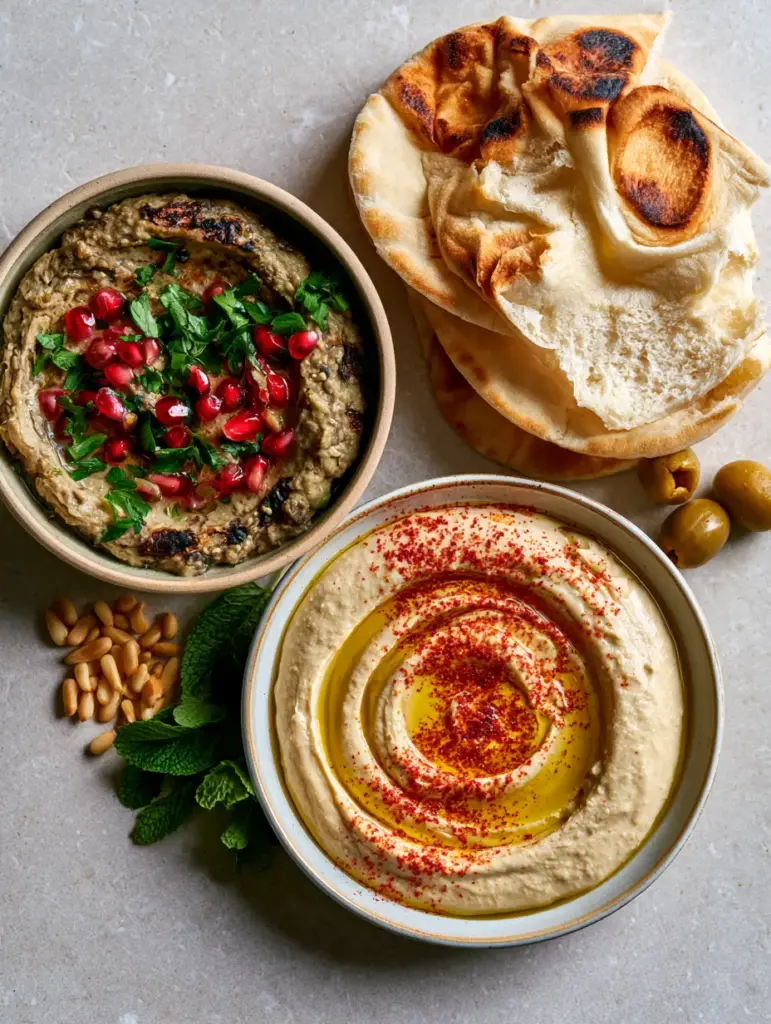
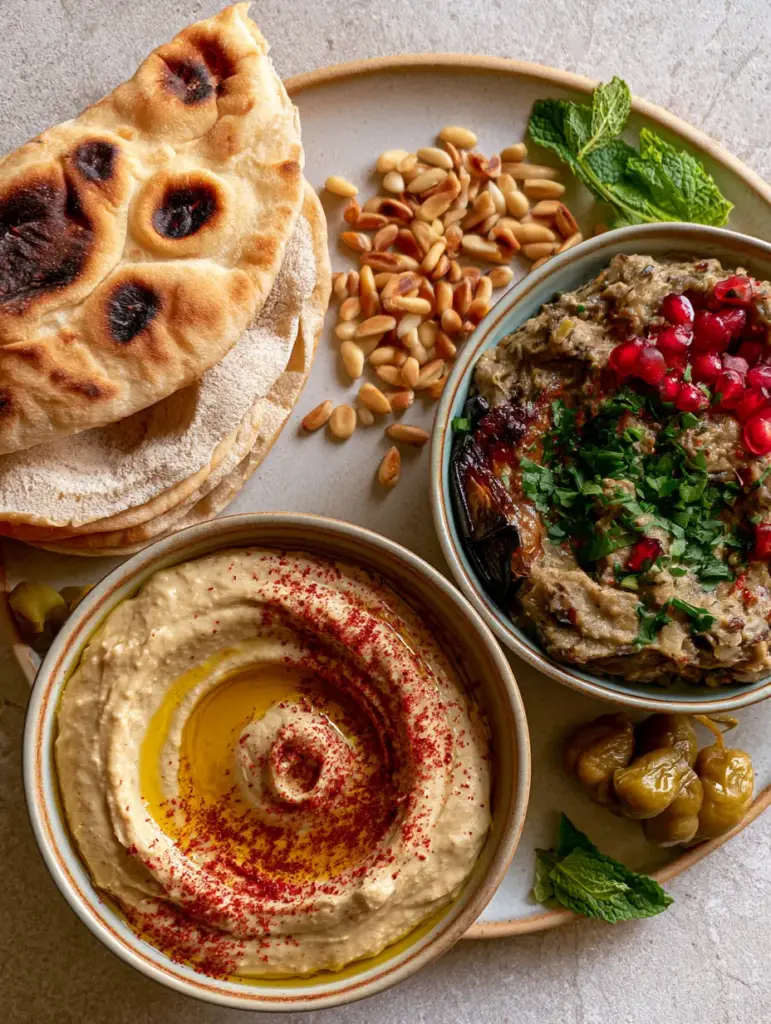
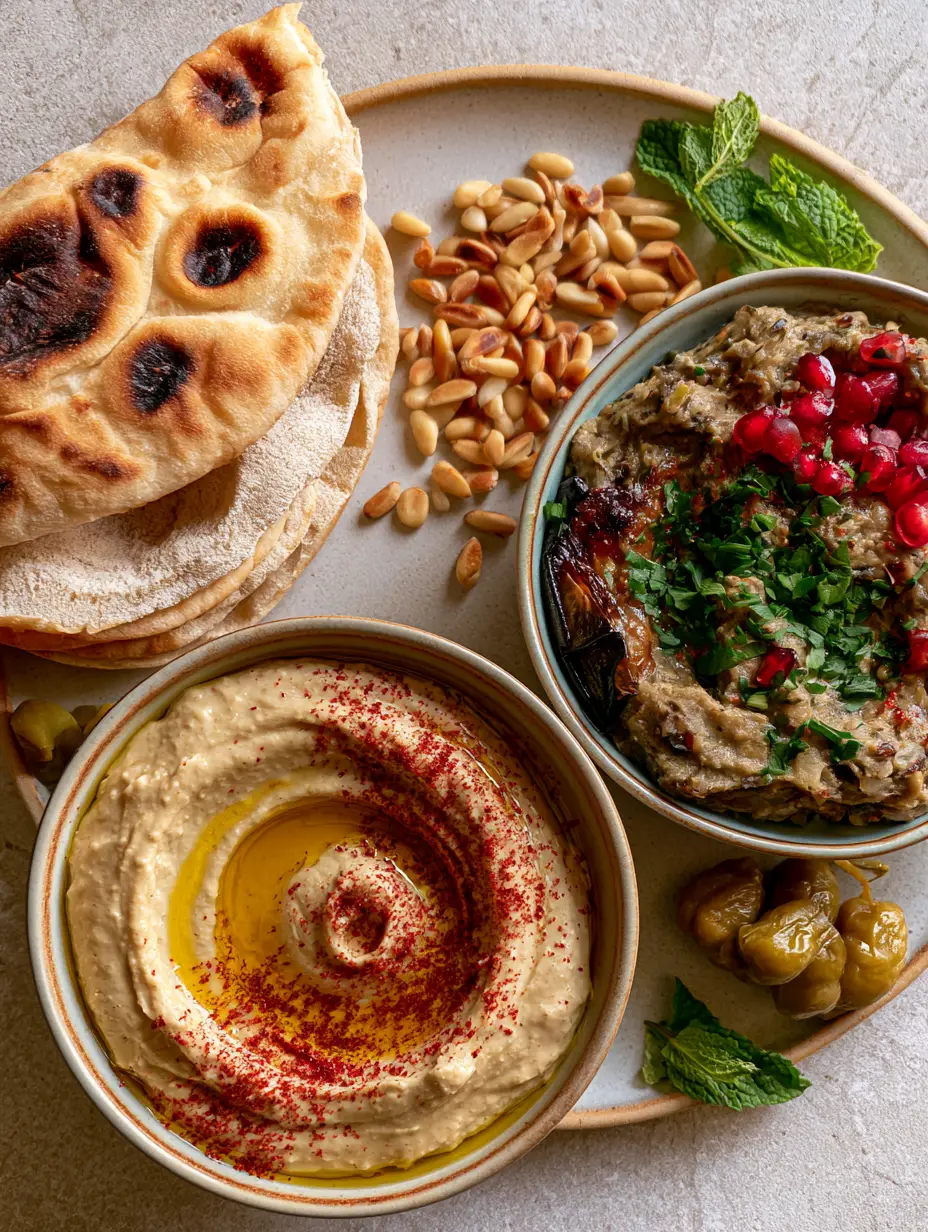
When it comes to Syrian food recipes, nothing captures the heart of the Levant quite like a vibrant, colorful mezze spread. The aroma of warm charred bubbly pita bread mingling with the earthy scent of smoky eggplant mutabbal is enough to transport anyone to the bustling markets of Damascus. This guide will teach you how to achieve that elusive, professional-grade whipped silk-smooth hummus that serves as the perfect canvas for ground crimson sumac and a golden pool of extra virgin olive oil.
Whether you are hosting a large gathering or looking for a healthy, plant-based dinner option, mastering these Syrian food recipes is a game-changer for your culinary repertoire. We are focusing on two pillars of Syrian cuisine: the creamiest hummus you have ever tasted and a rustic, char-flecked mutabbal that balances smoke, citrus, and creaminess.
Why You Will Crave This Authentic Syrian Mezze Spread
- The Texture Contrast: Experience the juxtaposition of whipped silk-smooth hummus against the toasted buttery pine nuts and juicy ruby-red pomegranate seeds.
- Authentic Smoky Flavor: We use a traditional charring method to ensure your mutabbal has those signature charred eggplant skin flecks for deep, complex flavor.
- Visual Masterpiece: With ground crimson sumac spirals and finely chopped flat-leaf parsley, this dish is a Pinterest-worthy centerpiece.
- Nutrient Dense: Packed with healthy fats from extra virgin olive oil and plant-based protein from chickpeas.
Essential Elements for an Authentic Syrian Platter
To recreate the magic of Syrian food recipes, you need high-quality ingredients. Each component serves a specific culinary purpose to balance the heavy tahini and olive oil.
For the Silk-Smooth Hummus:
- 2 cups (500g) Chickpeas: Use dried chickpeas soaked overnight with a pinch of baking soda for the softest texture.
- 1/2 cup (120ml) Premium Tahini: Look for a brand that is pourable and smooth, not chunky.
- 3 tbsp (45ml) Fresh Lemon Juice: Provides the necessary acidity to cut through the richness.
- 2 cloves Garlic: Mince these finely to avoid sharp bites of raw garlic.
- 1/2 tsp (2.5g) Ground Cumin: Adds a subtle earthy warmth common in Syrian food recipes.
- Ice Water: The secret to the “whipped” texture is adding ice-cold water during the final blending phase.
For the Smoky Mutabbal:
- 2 large (approx. 800g) Eggplants: Choose firm, shiny eggplants that feel light for their size.
- 1/4 cup (60ml) Greek Yogurt: Adds a tangy creaminess that distinguishes mutabbal from baba ganoush.
- 2 tbsp (30ml) Tahini: Binds the smoky eggplant flesh together.
- 1/4 cup (10g) Pomegranate Seeds: These provide “juicy ruby-red” bursts of sweetness.
The Garnishes & Sides:
- Extra Virgin Olive Oil: Use the highest quality you can find for that shimmering, translucent golden well.
- Ground Crimson Sumac: This provides a tart, lemony zing and a beautiful pop of color.
- Warm Charred Bubbly Pita Bread: Essential for scooping; look for hand-torn varieties with soft, steamy interiors.
- Brined Green Olives and Fresh Mint: These add salt and freshness to the palate.
Step-by-Step: Mastering the Whipped Silk-Smooth Hummus
1. The “Over-Boil” Technique
To get that whipped silk-smooth hummus, you must boil your soaked chickpeas until they are literally falling apart. Add 1 tsp (5g) of baking soda to the water; this breaks down the pectin in the chickpea skins. Boil for about 20-30 minutes until a chickpea smashes easily between two fingers with zero resistance.
2. The Blending Sequence
Place your warm chickpeas in a high-powered food processor. Process them alone first until they form a thick paste. Add the tahini, lemon juice, garlic, and salt. While the motor is running, drizzle in 2-3 tablespoons of ice-cold water. Watch as the mixture transforms from a beige paste into a bright, white, aerated cream.
3. Creating the Artistic Spiral
Spread the hummus into a shallow bowl. Use the back of a large spoon to create a deep, artistic spiral well. This well is designed to hold the extra virgin olive oil pool. Dust the ridges with ground crimson sumac for a professional finish.
Step-by-Step: Creating the Smoky Mutabbal
1. The Open Flame Char
For authentic Syrian food recipes, you must char the eggplant over an open gas flame or under a very high broiler. Turn the eggplant frequently until the skin is completely blackened and the vegetable collapses. This creates those charred eggplant skin flecks that provide the iconic smoky flavor.
2. The Hand-Mash Method
Once cooled, peel the eggplant but leave a few tiny bits of charred skin for texture. Do not use a food processor here! Mash the eggplant with a fork or a wooden pestle. Stir in the yogurt, tahini, and lemon juice. You want a rustic, thick texture, not a liquid purée.
3. The Vibrant Garnish
Top the mutabbal with a cluster of juicy ruby-red pomegranate seeds and finely chopped flat-leaf parsley. The emerald green against the ruby red makes the dish visually stunning. If you enjoy diverse regional flavors, you might notice similarities in the vegetable-forward approach of authentic Turkish recipes.
Expert Tips for Success
- Temperature Matters: Serve the hummus at room temperature, but ensure the pita is warm and bubbly. The contrast in temperatures enhances the sensory experience.
- Toast the Nuts: Don’t skip toasting the buttery pine nuts. Sauté them in a teaspoon of olive oil for 2 minutes until golden brown; they add a crucial crunch to the Syrian food recipes.
- Quality Tahini: If your tahini is bitter, your hummus will be too. Taste your tahini beforehand—it should taste nutty and mild.
- Acid Balance: If the dips feel “flat,” add a tiny pinch more salt or a squeeze of lemon. Syrian cuisine relies heavily on the balance of fat and acid.
Storage, Reheating & Freezing
These dips are best enjoyed fresh, but they can be stored in an airtight container in the refrigerator for up to 4 days. Note that the whipped silk-smooth hummus may thicken when cold. Simply stir in a teaspoon of warm water to loosen it back up before serving.
We do not recommend freezing mutabbal as the yogurt can separate and the eggplant becomes watery. However, you can freeze plain hummus (without garnishes) for up to 2 months. Thaw in the fridge and re-whip in the blender for the best texture.
What to Serve With This Syrian Mezze
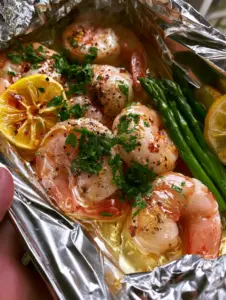
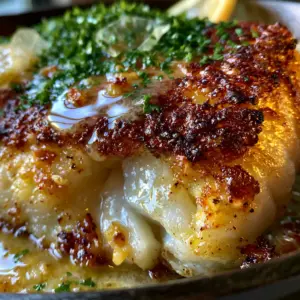
This platter is quite filling on its own, but it pairs beautifully with other Mediterranean staples. Try serving it alongside mediterranean baked fish for a complete protein-rich meal. If you are looking for a side dish to soak up more of those juices, a side of savory mushroom rice works surprisingly well.
For a refreshing palate cleanser after the rich tahini, a strawberry watermelon salad provides the perfect sweet and acidic contrast to the smoky eggplant and earthy chickpeas.
Frequently Asked Questions
Yes, but for the best ‘silk-smooth’ result, you should still boil the canned chickpeas for 10-15 minutes with a pinch of baking soda to further soften them before blending.
The secret is two-fold: over-boiling the chickpeas with baking soda to soften the skins and adding ice-cold water or ice cubes during the blending process to aerate the tahini mixture.
Yes, sumac is a staple in Syrian food recipes. It provides a distinct citrusy tartness and a vibrant crimson color that balances the earthy tones of the chickpeas and tahini.
While both use charred eggplant, Mutabbal specifically includes tahini and often yogurt, making it creamier and paler. Baba Ganoush usually focuses on the eggplant mixed with tomatoes, onions, and walnuts without tahini.
The Ultimate Syrian Mezze Platter Recipe Card
Syrian Food Recipes: The Ultimate Silk-Smooth Hummus and Smoky Mutabbal Mezze
Ingredients
Equipment
Method
- Process soft chickpeas in a food processor until a thick paste forms.
- Add tahini, lemon, and garlic. Slowly drizzle in ice water until whipped and silk-smooth.
- Char eggplant over an open flame until skin is blackened. Peel, leaving small charred flecks.
- Mash eggplant by hand with a fork. Mix in yogurt, tahini, and lemon juice.
- Plate both dips. Create a well in the hummus for olive oil and sumac. Top mutabbal with pomegranate, parsley, and pine nuts. Serve with warm pita.
Notes
Always char eggplants until they completely collapse for the best smoky flavor.
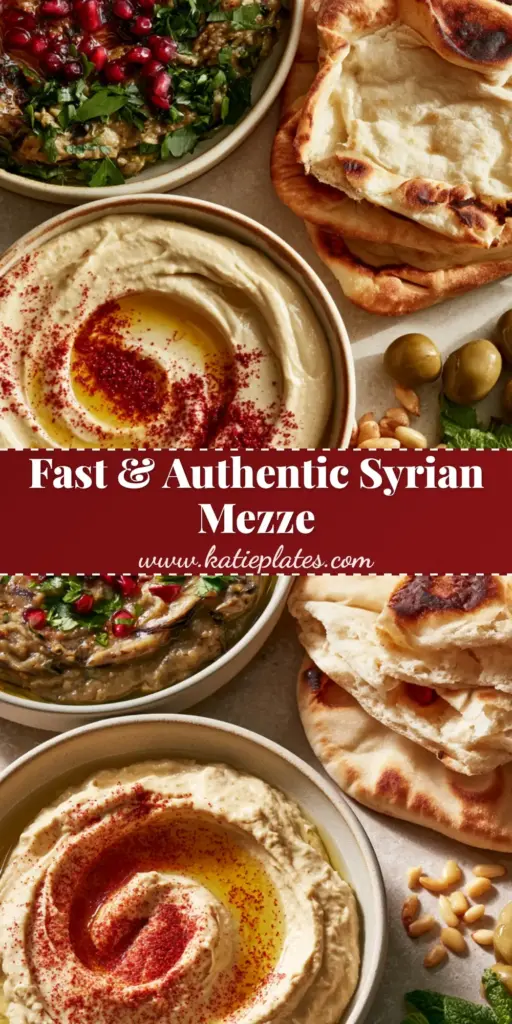
Save This Recipe to Pinterest!
If you love these Syrian food recipes, don’t forget to save this post to your “Mediterranean Diet” or “Healthy Appetizers” board on Pinterest! Following katieplates ensures you never miss a vibrant, kitchen-tested recipe.
Did you make this? Snap a photo of your whipped silk-smooth hummus and tag us! We love seeing your warm charred bubbly pita bread and juicy ruby-red pomegranate seeds in action. Please leave a 5-star rating in the recipe card below to help other home cooks discover the magic of Syrian cuisine!