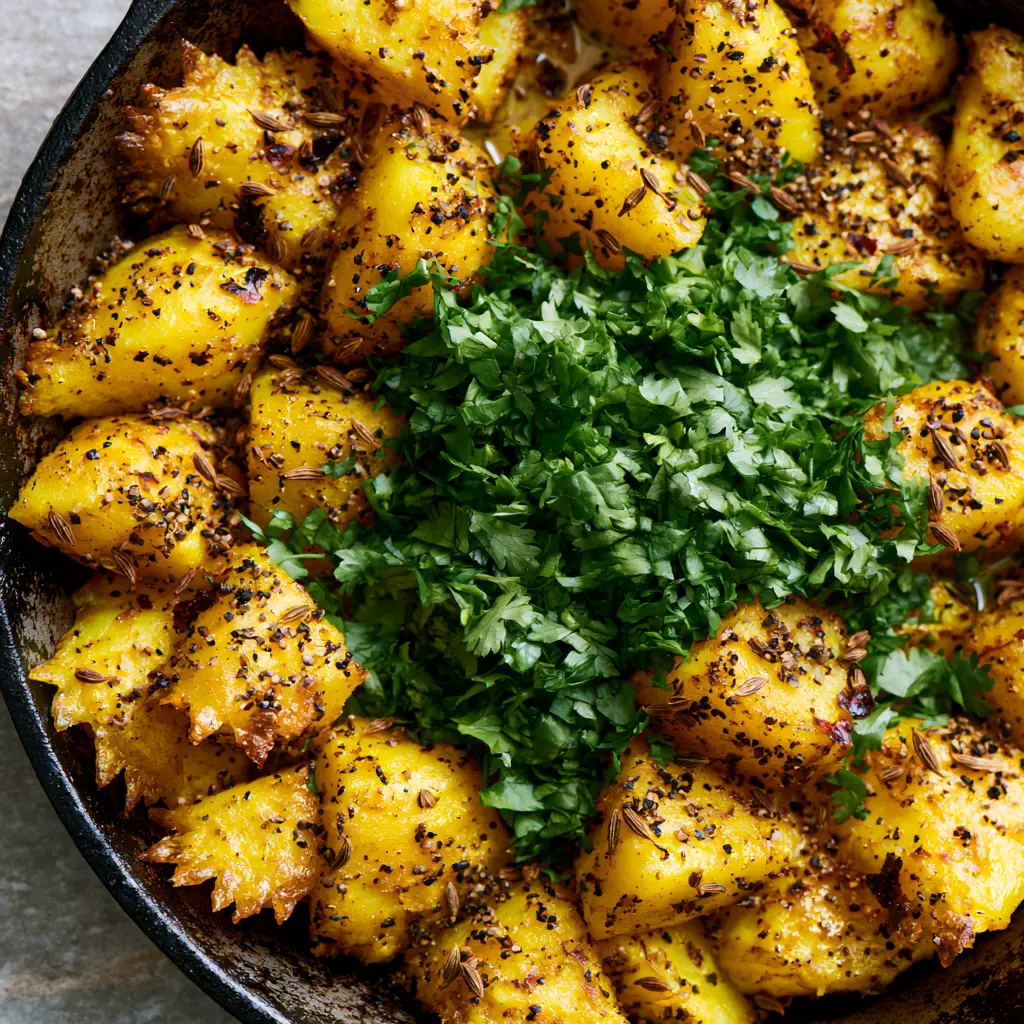
When you crave the vibrant, aromatic heat of authentic Indian potatoes, nothing compares to the sensory explosion of perfectly cubed, golden-brown spuds sizzling in a cast-iron skillet. These aren’t just any side dish; they are a masterclass in texture, featuring jagged, ultra-crispy edges and a buttery turmeric sheen that glows under the light. Every bite offers a crunch of toasted whole cumin seeds and the subtle, lingering heat of dried red chili flakes.
Achieving this level of culinary perfection at home requires more than just tossing vegetables in a pan. It demands an understanding of starch gelatinization and the high-smoke-point magic of ghee. In this guide, we will walk through the forensic details of creating Indian potatoes that look like they stepped off a professional film set and taste like the streets of Mumbai. Get ready to transform humble tubers into a seasoned masterpiece that anchors any Indian-inspired feast.
The Visual Anatomy of a Perfect Potato Dish
- Ultra-Crispy Jagged Edges: Achieved through a specific parboiling and roughing technique that creates maximum surface area for Maillard browning.
- Vibrant Turmeric Glow: A deep, earthy yellow coating that isn’t just for flavor—it creates a stunning visual contrast against the dark cast iron.
- Spice Encrustation: A heavy scattering of toasted whole cumin seeds and cracked black pepper that provides both textural relief and aromatic depth.
- The Ghee Sheen: A glossy, translucent finish that catches the light and carries the fat-soluble flavors of the spices across the palate.
- Fresh Herb Contrast: A heavy layering of bright green chopped cilantro to cut through the richness of the roasted spices.
Essential Components for Authentic Bombay Potatoes
To recreate the exact result seen in our visual blueprint, you need the right building blocks. While the spices provide the soul, the choice of potato and fat provides the structure. If you enjoy this flavor profile, you might also find yourself gravitating toward the bold heat of Lebanese spicy potatoes or the comforting warmth of Middle Eastern roasted chicken and potatoes.
The Selection of Spuds and Fats
2 lbs (900g) Yukon Gold or Russet Potatoes: Yukon Golds provide a creamy interior and a naturally yellow hue, while Russets offer the ultimate crispiness due to their high starch content. Choose your adventure based on whether you prefer “fluffy” or “shattery” textures.
3 tbsp (45g) Pure Grass-Fed Ghee: Ghee is essential for its high smoke point and nutty flavor profile. It allows us to achieve those charred edges without the milk solids burning, providing the signature sheen described in our prompt.
The Aromatic Spice Trinity
1.5 tbsp (9g) Whole Cumin Seeds: We use whole seeds rather than ground to ensure they toast and pop in the fat, creating the “heavily encrusted” look and a burst of flavor in every bite.
1 tsp (3g) Ground Turmeric: This provides the vibrant yellow color and a mild, earthy bitterness that balances the richness of the ghee. Ensure your turmeric is fresh for the brightest visual impact.
1 tsp (2g) Dried Red Chili Flakes: These add tiny flecks of red color and a customizable level of heat. For those who prefer a milder dish, Kashmiri chili powder can be substituted for a bright red hue without the fire.
Seasoning and Finishing Touches
1 tsp (6g) Coarse Sea Salt: Coarse salt provides a final crunch and helps draw out moisture during the final searing phase. It sticks to the jagged edges of the Indian potatoes better than table salt.
1/2 tsp (1g) Cracked Black Pepper: Freshly cracked pepper provides larger “flecks” that are visible to the eye and offer a sharp, pungent heat that ground pepper lacks.
1/2 cup (15g) Fresh Cilantro: Chopped finely, stems and all. The stems contain immense flavor, while the leaves provide the bright green visual layering required for the authentic smartphone-photo aesthetic.
Scientific Secrets to the Ultimate Golden Crunch
The secret to Indian potatoes with a “shattery” crust lies in a two-step cooking process. If you simply fry raw potatoes, the exterior burns before the interior softens. By parboiling the cubes in salted water first, we hydrate the starch on the surface. When these parboiled potatoes are drained and shaken, that hydrated starch turns into a “mash” on the edges of the cubes.
Once introduced to the hot ghee in a cast iron skillet, this starchy mash dehydrates rapidly, creating the jagged, ultra-crispy edges seen in the visual prompt. This is the same logic used in high-end potato casseroles, though here we apply it to a dry-heat searing method for maximum texture.
The Essential Skillet Setup
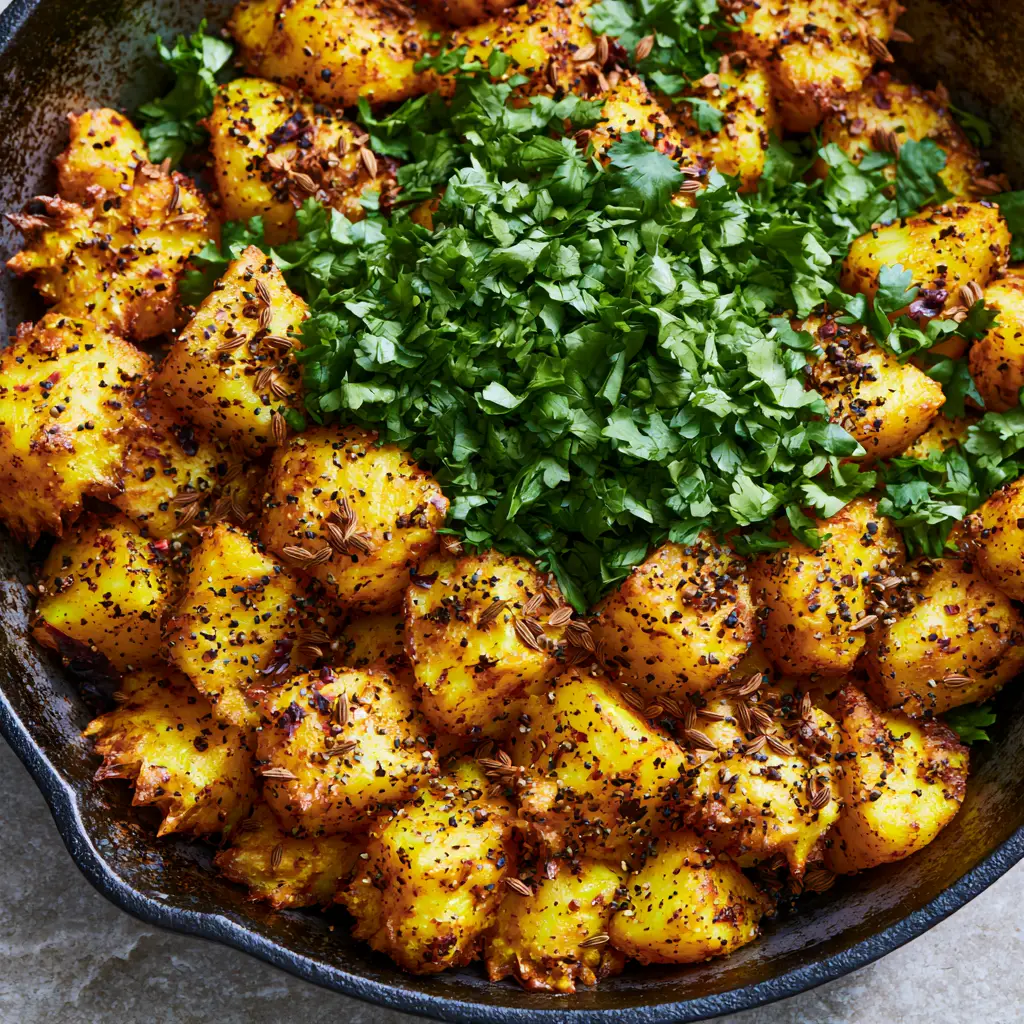
To achieve the “authentic, unedited” look of a professional kitchen, you must use a seasoned black cast iron skillet. The heavy thermal mass of cast iron ensures that the temperature doesn’t drop when the potatoes are added. This constant, high heat is what creates the “charred potato edges” and prevents the potatoes from steaming and turning mushy.
If you don’t have cast iron, a heavy-bottomed stainless steel pan is the second-best option. Avoid non-stick pans, as they cannot achieve the necessary sear and will result in a pale, soft potato that lacks the “buttery sheen” and “deep textures” we are aiming for.
Mastering the Golden Sear: Step-by-Step
Step 1: Precision Cubing and The Parboil
Begin by peeling your potatoes (optional, but recommended for visual uniformity) and cutting them into 1-inch (2.5cm) cubes. Try to keep them as uniform as possible to ensure they cook at the same rate. Place them in a large pot and cover with cold water by at least two inches.
Add a generous pinch of salt and bring to a boil. Simmer for about 5-7 minutes. You are looking for a specific visual cue: the edges should look slightly translucent and soft, but the center should still be firm. A fork should pierce the surface with slight resistance.
Step 2: The Starch Roughing Technique
Drain the potatoes into a colander and let them steam-dry for 2 minutes. This is critical—excess moisture is the enemy of crispiness. Once dry, give the colander a few vigorous shakes. You want the edges of the cubes to look “fuzzy” or “scuffed.” This creates the surface area for the cumin seeds and turmeric to cling to.
Step 3: Blooming the Spices in Ghee
Place your cast iron skillet over medium-high heat and add the ghee. Once the ghee is shimmering and just starting to wisp with smoke, add the whole cumin seeds. They should sizzle and dance immediately. This “blooming” process releases the essential oils into the fat, flavoring every subsequent ingredient.
Quickly stir in the turmeric and red chili flakes. The oil will turn a vibrant, deep orange-yellow. Be careful not to burn the spices; this process should only take about 30 seconds before moving to the next step.
Step 4: The High-Heat Skillet Roast
Carefully add the scuffed potatoes to the skillet in a single layer. Do not crowd the pan; if necessary, cook in two batches. Let them sit undisturbed for 4-5 minutes. You are waiting for the “visual change” of a deep golden-brown crust forming on the bottom.
Toss the potatoes gently to coat them in the yellow ghee and spices. Continue cooking, flipping every few minutes, until all sides are encrusted with toasted cumin and the edges are jagged and charred. Sprinkle with coarse sea salt and cracked black pepper during the final two minutes of cooking.
Step 5: The Fresh Herb Garnish
Remove the skillet from the heat. The residual heat of the cast iron will keep the Indian potatoes sizzling. Scatter the fresh chopped cilantro over the top generously. The heat will slightly wilt the herbs, releasing their fragrance without turning them brown.
Expert Tips for Success
- Cold Water Start: Always start potatoes in cold water. This ensures the outside doesn’t overcook before the inside is ready.
- Steam is the Enemy: If your potatoes are sticking or turning mushy, you likely have too many in the pan. The steam trapped between them prevents the crust from forming.
- Smoke Point Awareness: If you don’t have ghee, use a mixture of avocado oil and butter. The oil raises the smoke point, while the butter provides flavor.
- The Acid Balance: A squeeze of fresh lemon juice just before serving can brighten the earthy turmeric and cumin notes significantly.
Optimal Storage and Reheating
Indian potatoes are best served immediately to enjoy the maximum crunch. However, if you have leftovers, they can be stored in an airtight container in the refrigerator for up to 4 days. To reheat, avoid the microwave, which will make them rubbery. Instead, toss them back into a hot skillet with a teaspoon of ghee or air fry them at 400°F (200°C) for 5 minutes to restore the jagged, crispy edges.
What to Serve With Indian Potatoes
These potatoes are incredibly versatile. They are a staple of a traditional thali, but they also bridge the gap between cuisines beautifully. Pair them with a cooling cucumber raita or serve them alongside a protein-rich stir-fry for a fusion twist. For a hearty breakfast, serve these next to classic pancakes for a savory-sweet brunch experience that defies tradition.
If you’re looking for a lighter meal, these potatoes add excellent texture to an avocado tuna salad bowl. The earthy spices of the Indian potatoes complement the creamy fat of the avocado perfectly.
Frequently Asked Questions
Yes, you can use a high-smoke-point oil like avocado or grapeseed oil, but you will lose the signature nutty flavor and rich sheen that ghee provides.
Add the cumin seeds once the ghee is shimmering but not heavily smoking. They should sizzle and brown within 30 seconds; add the potatoes immediately after to lower the temperature.
Yes, parboiling hydrates the surface starch, which then becomes incredibly crispy when fried. Skipping this step often results in burnt exteriors and raw interiors.
Yukon Gold potatoes are excellent for a buttery texture and natural color, while Russet potatoes provide the crispiest, most jagged edges due to their high starch content.
Mushiness usually occurs if the potatoes weren’t steam-dried properly after boiling or if the pan was overcrowded. Ensure the potatoes are dry and have enough space to sear in the cast iron.
Crispy Bombay Cumin Potatoes Recipe
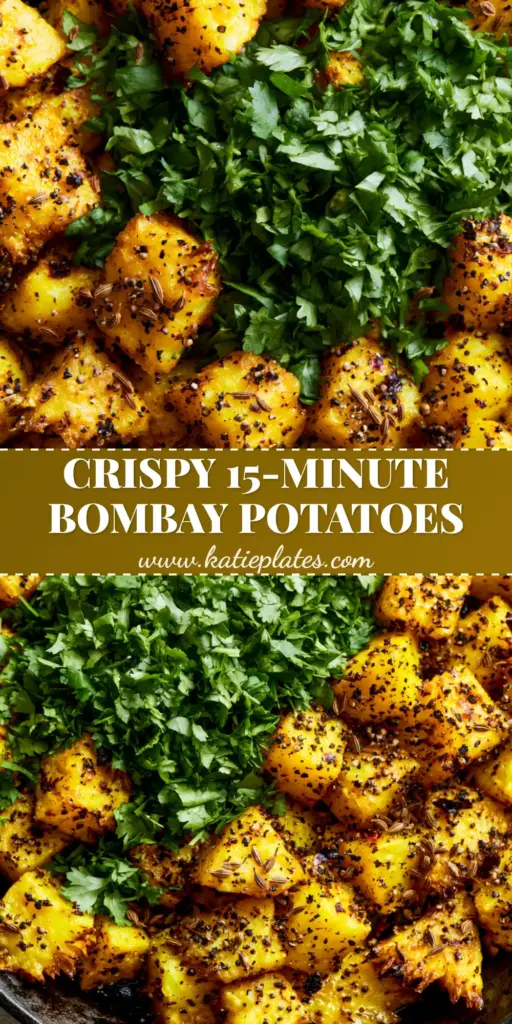
Indian Potatoes: The Ultimate Crispy Bombay Aloo with Cumin and Ghee
Ingredients
Equipment
Method
- Place potato cubes in a pot of cold salted water. Bring to a boil and simmer for 5-7 minutes until edges are tender but centers are firm.
- Drain in a colander and let sit for 2 minutes to steam dry. Shake the colander vigorously to roughen up the edges of the potatoes.
- Heat ghee in a cast iron skillet over medium-high heat. Add cumin seeds and fry until they sizzle. Stir in turmeric and chili flakes for 30 seconds.
- Add potatoes to the skillet in a single layer. Fry undisturbed for 4-5 minutes, then toss occasionally until edges are charred and golden-brown.
- Season with salt and pepper. Remove from heat and toss with fresh cilantro before serving.
Notes
Start in cold water to ensure even cooking throughout the cube.
Conclusion: Bring the Taste of India Home
Creating authentic Indian potatoes is an exercise in sensory cooking. From the sound of cumin seeds popping in hot ghee to the visual transformation of pale cubes into golden, charred gems, it is a recipe that rewards the attentive cook. Whether you are serving this for a weeknight dinner or as part of an elaborate holiday spread, the combination of crispy textures and aromatic spices is guaranteed to impress.
If you enjoyed this recipe, please leave a comment below and let us know how your crispy edges turned out! Don’t forget to share your creations on Pinterest and tag us. For more global inspiration, check out our latest mango coconut chia pudding for a refreshing dessert after your spicy meal.