When you imagine the sun-drenched coastlines of the Mediterranean, your palate likely craves the vibrant, zesty, and herbaceous notes of authentic Greek cuisine. Ladolemono is more than just a dressing; it is a culinary cornerstone that transforms simple proteins into extraordinary feasts. This specific recipe focuses on succulent, pan-seared chicken breast bathed in a thick, emulsified golden sauce that boasts a creamy, glossy sheen.
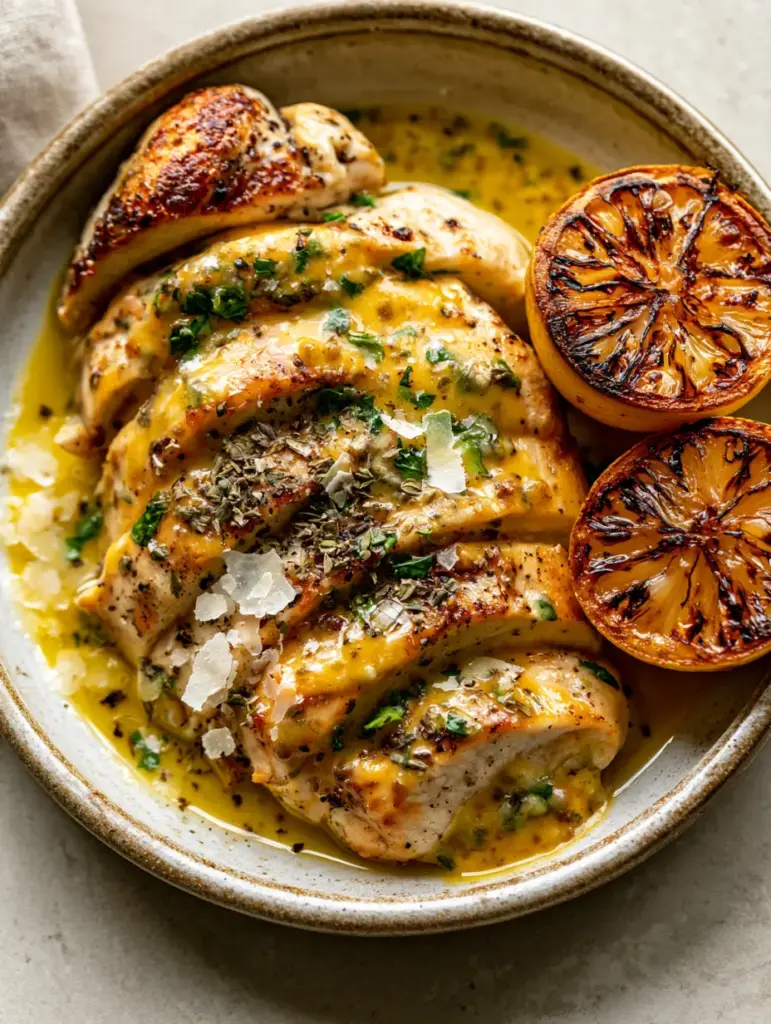
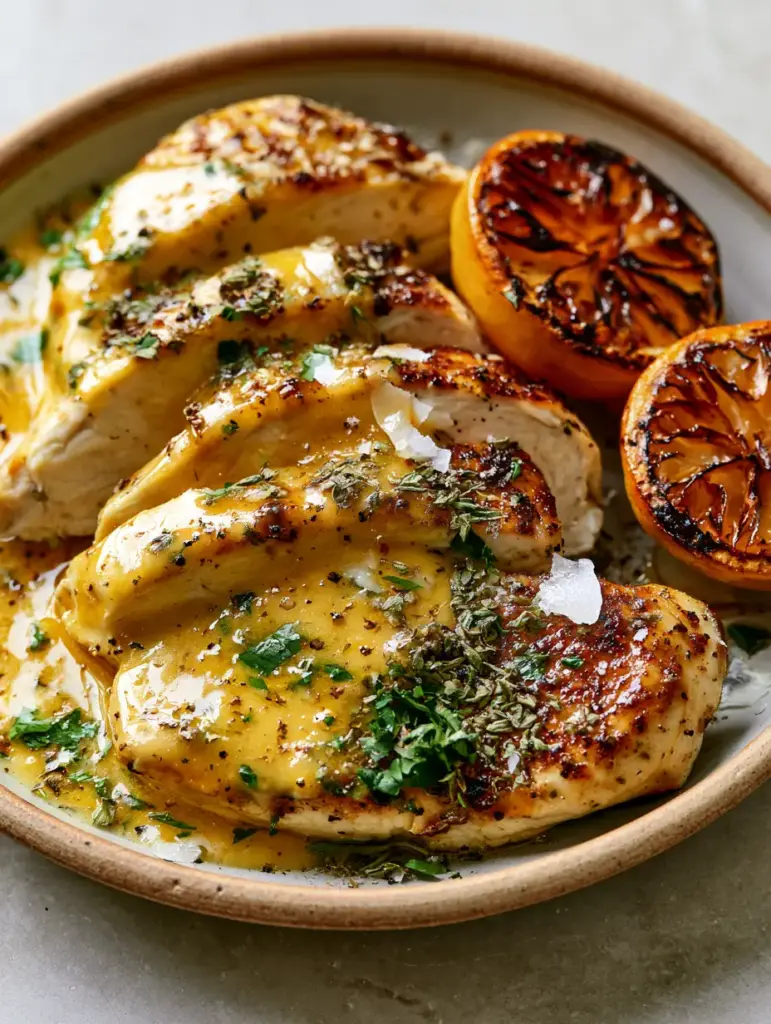
In this guide, we are recreating the exact visual magic of a professional home kitchen: golden-brown crusts, deep charred lemon halves, and a generous dusting of dried Greek oregano and fresh flat-leaf parsley. Whether you are a seasoned chef or an enthusiastic home cook, mastering this emulsion will elevate your weeknight dinner game to elite status.
By following our forensic culinary approach, you will achieve that perfect balance of acidity and richness. The result is a dish that looks as if it were plucked straight from a high-end Mediterranean bistro, complete with those signature flaky sea salt crystals and cracked black pepper highlights.
Why You Will Master This Ladolemono Recipe
- Perfectly Emulsified Texture: We move beyond a simple vinaigrette to create a thick, golden sauce that clings to the chicken rather than pooling at the bottom of the bowl.
- Deep Maillard Reaction: Learn the technique for achieving that signature golden-brown sear that provides a structural contrast to the succulent interior.
- Charred Citrus Depth: By searing the lemon halves, we concentrate the sugars and provide a smoky, caramelized acidity that raw lemon juice simply cannot match.
- Herbaceous Harmony: The dual-layered approach of dried Greek oregano for earthy depth and fresh parsley for a bright finish ensures a complex flavor profile.
The Pantry Essentials for Authentic Ladolemono Sauce
To achieve the visual and textural results seen in our blueprint, every ingredient must serve a specific structural or flavor-driven purpose. We don’t just use oil and lemon; we use them to build a stable emulsion.
Boneless Skinless Chicken Breasts: You will need 1.5 lbs (680g) of high-quality chicken. These are the canvas for our sear and provide the succulent, meaty base for the glossy sauce.
Extra Virgin Olive Oil: Use 1/2 cup (120ml) of cold-pressed oil. This is the heart of the Ladolemono, providing the fat necessary for a thick, creamy emulsion and a peppery finish.
Fresh Lemon Juice: You will need 1/4 cup (60ml) of freshly squeezed juice, plus 2 whole lemons cut into halves for charring. The acidity breaks down the protein fibers and balances the richness of the olive oil.
Dried Greek Oregano: 1 tbsp (3g) of high-quality dried oregano is essential. Unlike fresh oregano, the dried version offers a concentrated, earthy pungency that defines traditional Greek flavors.
Fresh Flat-Leaf Parsley: 2 tbsp (8g) of finely minced parsley adds a vibrant green contrast. It provides a necessary “high note” of freshness to the finished plate.
High-Smoke Point Oil: 2 tbsp (30ml) of avocado or light olive oil for the initial sear. This prevents the chicken from sticking and ensures a deep golden-brown crust without burning.
Kosher Salt and Cracked Black Pepper: Used for the initial seasoning. These foundational minerals draw out moisture to help the searing process and provide the base savory layer.
Flaky Sea Salt: A final sprinkle of Maldon or similar salt provides a visual “pop” and a delicate crunch that enhances the tender chicken. It is a critical component of our visual blueprint.
Essential Tools for a Professional Sear
Achieving the thick, emulsified Ladolemono requires more than just a spoon. You need tools that facilitate high-heat cooking and rapid mechanical agitation for the sauce.
A Heavy-Bottomed Skillet (Cast Iron or Stainless Steel) is non-negotiable. These materials retain heat efficiently, ensuring that when the chicken hits the pan, it sears immediately rather than steaming in its own juices.
A Small High-Speed Whisk or a tightly sealed Mason Jar is required for the sauce. To turn oil and lemon into a glossy, golden-yellow emulsion, you must incorporate air and break the oil droplets into microscopic sizes.
Finally, use a Digital Meat Thermometer. To maintain the “succulent” texture described in our prompt, the chicken must be pulled at exactly 160°F (71°C) to allow for carry-over cooking to 165°F (74°C).
Step-by-Step Evolution of the Perfect Ladolemono Chicken
Preparing the Protein and Searing Surface
Start by patting your 1.5 lbs (680g) of chicken breasts completely dry with paper towels. Any surface moisture will create steam, preventing the golden-brown crust we are targeting. Season both sides generously with Kosher salt and freshly cracked black pepper.
Heat your 2 tbsp (30ml) of high-smoke point oil in the skillet over medium-high heat until it shimmers. Place the chicken in the pan, laying it away from you to avoid splashes. Let it cook undisturbed for 5-7 minutes. You are looking for a deep, golden-brown crust that naturally releases from the pan when ready.
Charring the Citrus and Finishing the Chicken
Once the chicken is flipped, move it to one side of the skillet. Place the lemon halves, cut-side down, directly onto the hot surface. Sear the lemons for 3-4 minutes until they have deep, caramelized grill marks and the fruit has softened.
While the chicken finishes cooking to an internal temperature of 160°F (71°C), the lemons will release a smoky, sweet aroma. Remove the chicken and lemons from the pan and let the meat rest for at least 5 minutes. This resting period is crucial for the juices to redistribute, ensuring the “succulent” texture we desire.
Building the Glossy Ladolemono Emulsion
In a small bowl or jar, combine the 1/2 cup (120ml) of extra virgin olive oil with the 1/4 cup (60ml) of fresh lemon juice. Whisk vigorously for at least 60 seconds or shake the jar violently. You will see the liquid transform from a split yellow oil into a thick, opaque, and glossy golden-yellow sauce.
Stir in the 1 tbsp (3g) of dried Greek oregano and half of the minced parsley. The sauce should be thick enough to coat the back of a spoon. Taste and add a pinch of salt if necessary, though the flaky salt at the end will provide the main salt hit.
The Final Plating and Visual Flourishes
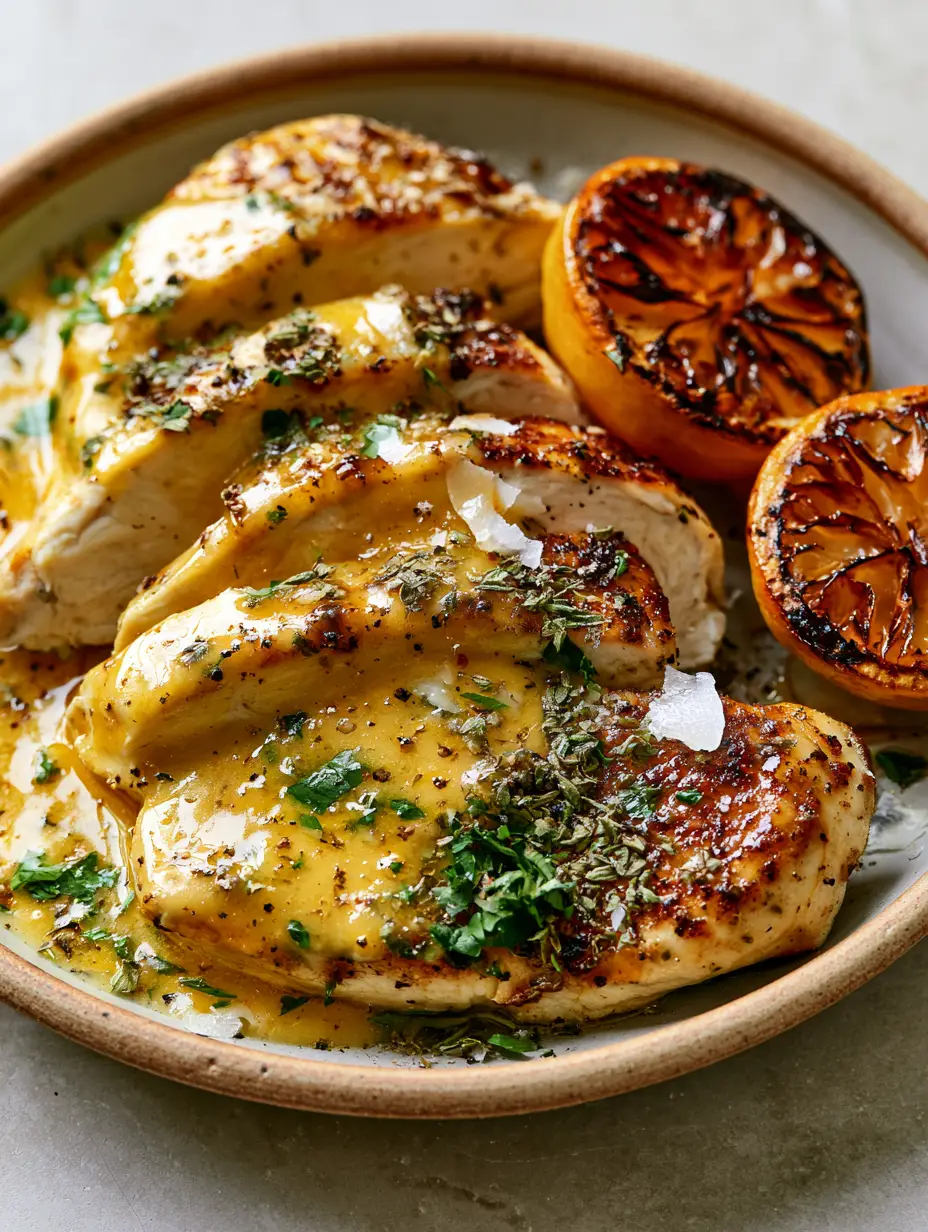
Slice the rested chicken breasts against the grain into thick, succulent strips. Arrange them in a shallow rustic ceramic bowl. Drizzle the Ladolemono sauce generously over the meat, ensuring it settles into the crevices of the slices with a creamy sheen.
Place the charred lemon halves to the side. Finish the dish with the remaining fresh parsley, a heavy pinch of dried oregano, a sprinkle of large flaky sea salt, and an extra crack of black pepper. The contrast of the dark charred lemons against the golden sauce and bright green herbs is what makes this dish a showstopper.
Expert Tips for Culinary Success
- The Temperature Secret: Ensure your olive oil and lemon juice are at room temperature before emulsifying. Cold oil is harder to break down into the tiny droplets required for a thick sauce.
- Avoid the “Steam Trap”: Do not overcrowd the pan. If the chicken breasts are touching, the temperature of the skillet will drop, and you will lose that golden-brown crust.
- The “Resting” Rule: If you slice the chicken too early, the juices will run out, thinning your beautiful Ladolemono emulsion into a watery mess. Wait the full 5 minutes.
- Herb Freshness: Rub the dried oregano between your palms before adding it to the sauce. This friction releases the essential oils, making the herb much more aromatic.
Preserving the Flavor: Storage and Reheating
Ladolemono is best served fresh because the emulsion can break (separate) if stored for too long. However, you can store leftover chicken and sauce in an airtight container for up to 3 days in the refrigerator.
When reheating, do so gently in a pan over low heat. If the sauce has separated, simply whisk in a teaspoon of warm water to help bring the emulsion back together. Avoid the microwave if possible, as it can turn the succulent chicken rubbery.
What to Pair with Your Ladolemono Chicken
This vibrant dish demands sides that can soak up the extra golden sauce. A plate of persian jeweled rice offers a beautiful aromatic contrast to the citrus. If you prefer a more traditional Greek spread, serve it alongside some greek style roasted eggplant.
For a lighter lunch, this chicken is incredible when served over a bed of greens with a side of mast o khiar for a cooling cucumber-yogurt balance. If you are hosting a Mediterranean-themed dinner, start the meal with traditional Arab mezze to get the appetite flowing.
Frequently Asked Questions
For Ladolemono, dried Greek oregano is actually preferred. It provides a more concentrated, earthy, and savory flavor that stands up to the high acidity of the lemon juice.
Use a heavy skillet and high-smoke point oil. Sear at medium-high heat to create a crust quickly, then use a meat thermometer to pull the chicken at 160°F (71°C) to ensure it stays succulent.
Ladolemono is an emulsion, meaning it is whisked or shaken until the oil and lemon juice become a thick, unified, and glossy sauce that clings to food, whereas a vinaigrette is often thinner and separates quickly.
Separation occurs when the oil isn’t broken down enough or the ratio of oil to lemon is off. Ensure you whisk vigorously for at least 60 seconds and use room-temperature ingredients for a stable emulsion.
The Master Ladolemono Chicken Recipe
Ladolemono Chicken: The Ultimate Greek Lemon and Olive Oil Masterpiece
Ingredients
Equipment
Method
- Pat chicken dry. Season with kosher salt and pepper. Sear in high-smoke point oil in a heavy skillet for 5-7 minutes until a deep golden-brown crust forms.
- Flip chicken and move to the side. Place lemon halves cut-side down in the pan. Sear for 3-4 minutes until deep caramelized grill marks appear.
- Whisk extra virgin olive oil and lemon juice vigorously for 60 seconds until a thick, golden, glossy sheen is achieved. Stir in oregano.
- Slice chicken, drizzle with sauce, and garnish with fresh parsley, charred lemons, and flaky sea salt.
Notes
Don't skip the resting period or the sauce will thin out.
Bringing the Mediterranean Home
Mastering the Ladolemono technique is a rite of passage for any cook who loves bold, clean flavors. The combination of high-heat searing and the science of emulsification results in a dish that is both rustic and refined. We hope this guide helps you achieve that perfect glossy sheen and succulent texture in your own kitchen.
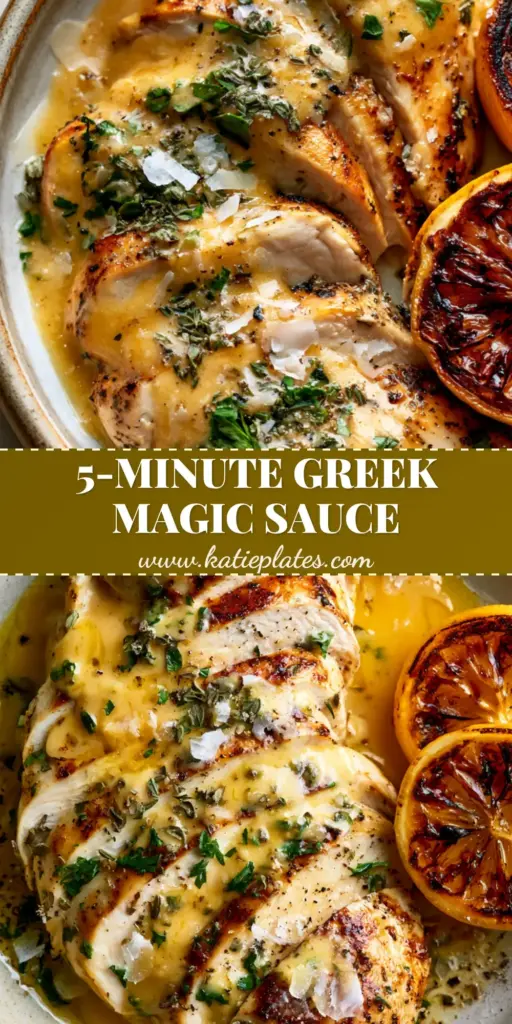
If you enjoyed this recipe, please leave a comment below and tell us how your emulsion turned out! Don’t forget to sign up for our newsletter for more deep-dives into culinary forensics. If you found this visual guide helpful, please share this recipe to your favorite boards on Pinterest.