Ghana recipes are world-renowned for their bold spices and soul-warming textures, but few dishes capture the heart of West African street food quite like Kelewele. If you have ever walked through the vibrant streets of Accra at dusk, the intoxicating aroma of frying ginger and ripening plantains is unmistakable. This is not just a snack; it is a sensory experience defined by its sticky, sweet, and fiery profile.
Our authentic take on this Ghanaian staple brings that exact street-side magic into your home kitchen. We focus on achieving those iconic charred edges and a glistening, tacky surface that makes every bite addictive. Whether you are looking to expand your repertoire of authentic African recipes or simply want a side dish that steals the show, this Kelewele is the answer.
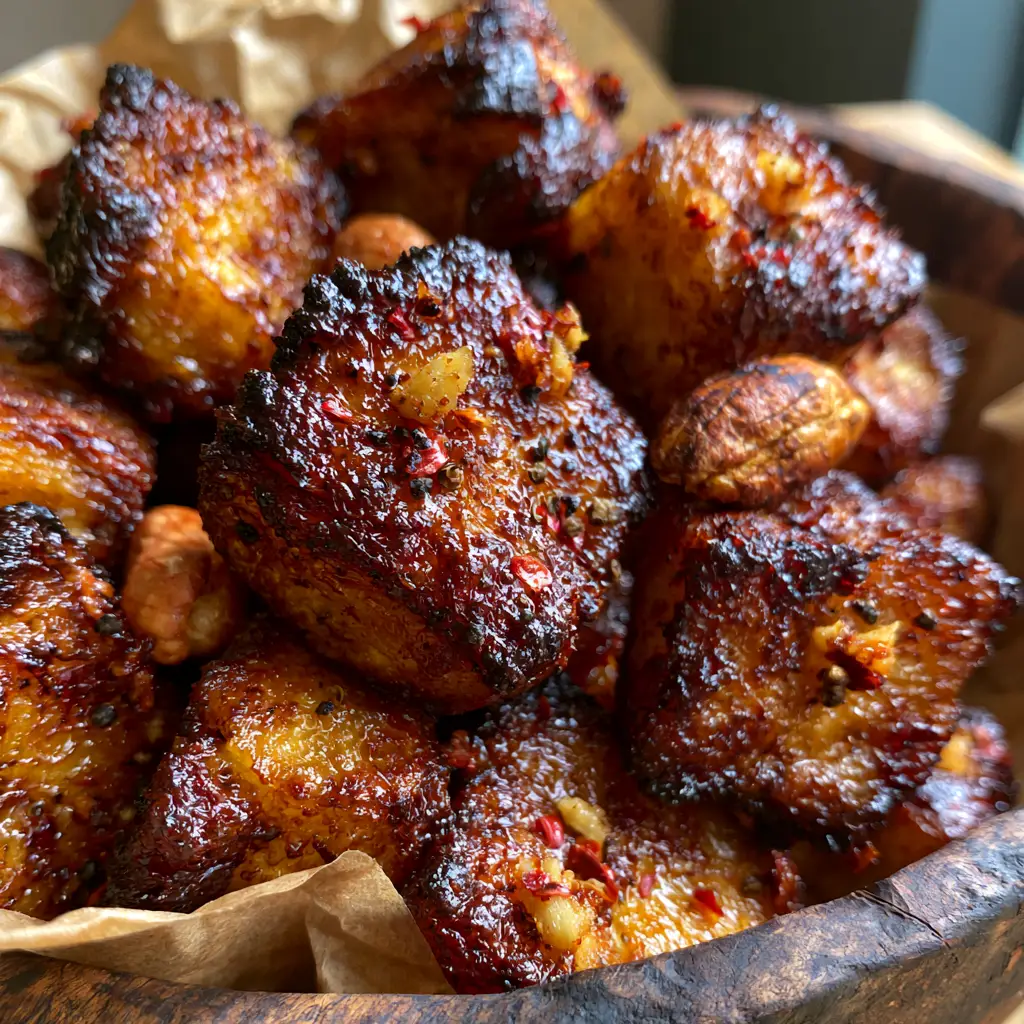
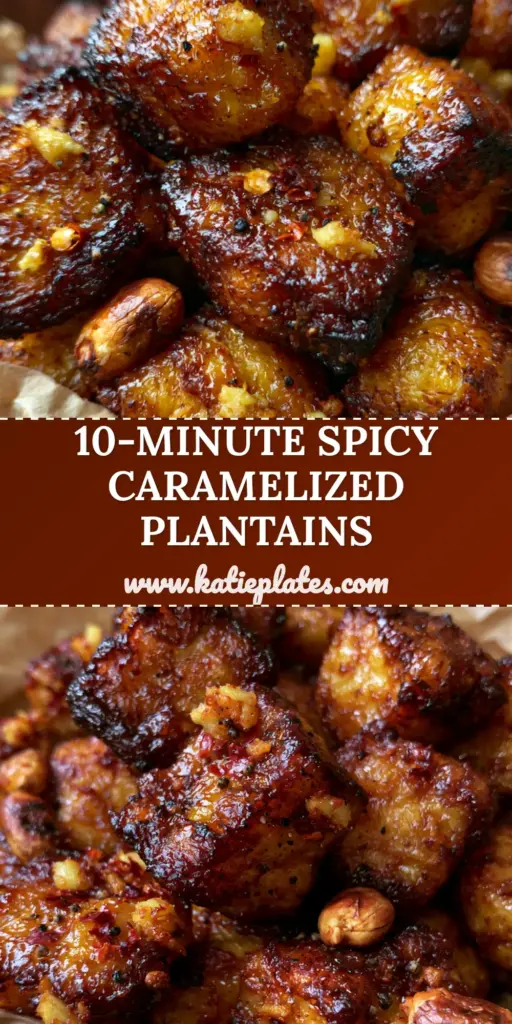
The beauty of these spicy fried plantains lies in the contrast between the soft, custard-like interior and the craggy, dark golden-brown exterior. By incorporating minced fresh ginger and a touch of brown sugar, we create a deep caramelization that mirrors the professional results seen in high-end culinary photography. Let’s dive into the science of the perfect fry.
Why These Spicy Fried Plantains Define Ghana Recipes
- Unmatched Texture: A perfect balance of soft, ripened plantain centers and deeply caramelized, craggy dark golden-brown edges.
- Aromatic Heat: The combination of fresh minced ginger and red pepper flakes creates a building warmth that lingers on the palate.
- Visual Brilliance: A glistening vegetable oil finish and vibrant flecks of chili and pepper make this dish a centerpiece for any West African feast.
- Satisfying Crunch: The addition of roasted whole skin-on peanuts provides a much-needed textural counterpoint to the tacky plantain cubes.
The Anatomy of Authentic Ghanaian Kelewele Ingredients
To master Ghana recipes, one must understand the importance of ingredient maturity. For Kelewele, the ripeness of your plantain is the single most important factor in achieving the desired tacky, caramelized finish.
Ripened Yellow Plantains: Look for plantains that are yellow with significant black spotting. These contain the high sugar content necessary to create those dark golden-brown charred edges during the frying process.
Minced Fresh Ginger: Use only fresh rhizomes, finely minced to ensure they embed into the caramelization. Ginger provides the signature “zing” that cuts through the richness of the fried fruit.
Caramelized Brown Sugar: While plantains have natural sugars, a small amount of dark brown sugar (15g) ensures a deeply tacky surface and enhances the Maillard reaction. This is the secret to the “glistening” look described in professional food styling.
Red Pepper Flakes and Black Pepper: These provide the “spicy” in spicy fried plantains. The visible flakes add a rustic, artisanal look to the finished heap of cubes.
Roasted Whole Peanuts: Skin-on peanuts are traditional and offer an earthy, salty crunch. They should be scattered throughout the dish just before serving to maintain their crispness.
Vegetable Oil: A neutral oil with a high smoke point, such as canola or sunflower oil, is essential for deep frying. It creates the glistening highlights seen in high-quality macro photography.
Sea Salt Crystals: Large crystals of sea salt are used for finishing. They provide a sharp contrast to the sweetness and add a professional, textured appearance to the surface.
Essential Kitchen Tools for Perfect Caramelization
Achieving the perfect Kelewele requires consistent heat and a vessel that allows for even browning without sticking. A heavy-bottomed cast iron skillet or a deep stainless steel pot is highly recommended for maintaining oil temperature.
You will also need a sharp chef’s knife for cubing the plantains into uniform 1-inch (2.5cm) pieces. Uniformity ensures that all pieces cook at the same rate, preventing some from burning while others remain raw. A spider strainer or slotted spoon is vital for removing the plantains from the glistening oil while allowing excess fat to drain away.
The Step-by-Step Guide to Ghanaian Street-Style Plantains
Preparing the Aromatic Marinade
In a large mixing bowl, combine 2 tablespoons (30g) of finely minced fresh ginger, 1 teaspoon (2g) of red pepper flakes, 1/2 teaspoon (1g) of cracked black pepper, and 1 tablespoon (12g) of brown sugar. Whisk in 1 tablespoon (15ml) of water to create a thick, potent paste. This paste will eventually become the “craggy” coating embedded in the plantain surface.
Cubing the Plantains for Maximum Surface Area
Peel 4 large ripened plantains and slice them lengthwise, then cut them into 1-inch (2.5cm) cubes. The cube shape is essential for creating multiple “faces” that can char and caramelize in the oil. Toss the cubes in the ginger-spice paste until every piece is thoroughly and evenly coated.
Mastering the Frying Technique
Pour approximately 2 cups (480ml) of vegetable oil into your skillet, ensuring it is at least 2 inches deep. Heat the oil to 350°F (175°C). Use a thermometer to verify the temperature; if the oil is too cold, the plantains will absorb grease and become soggy; if too hot, the sugars will burn before the interior softens.
Achieving the Dark Golden-Brown Finish
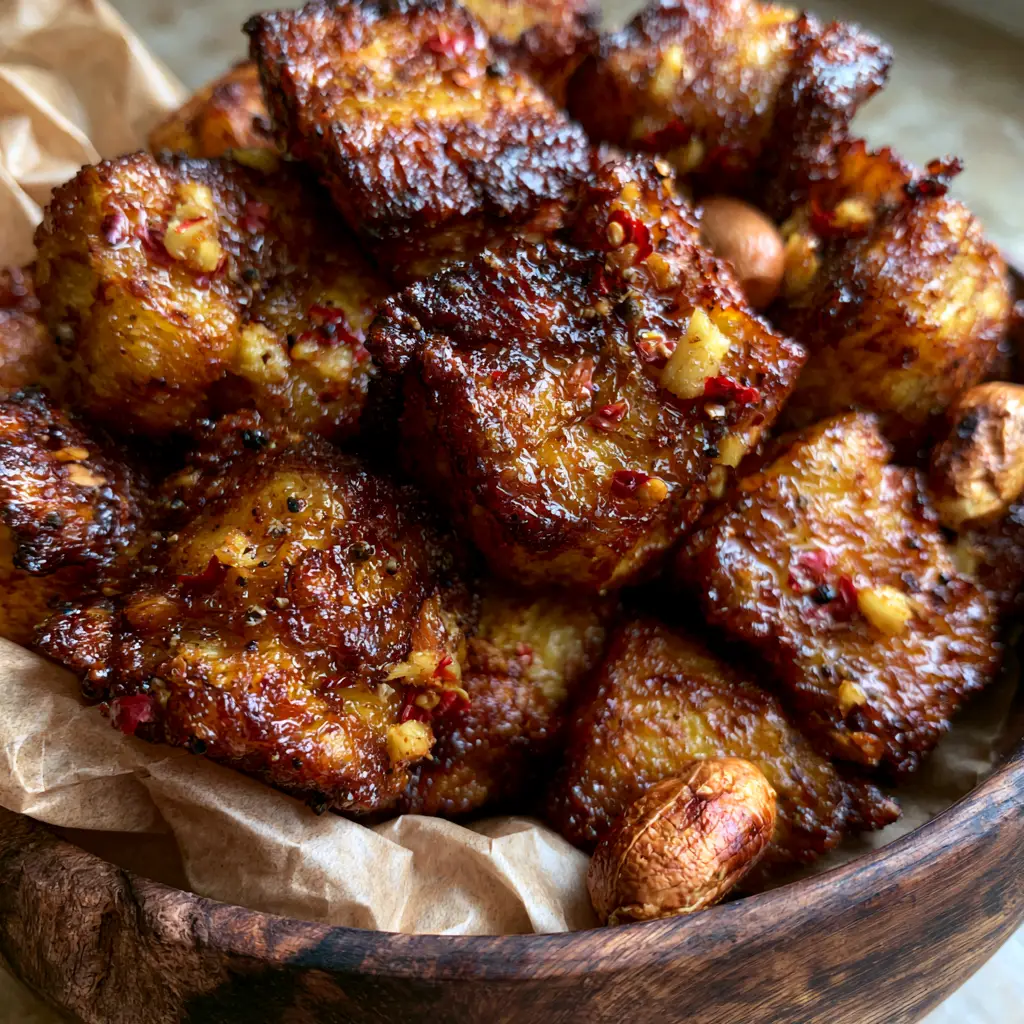
Carefully add the plantain cubes to the glistening oil in batches to avoid overcrowding. Fry for 4-6 minutes, turning occasionally. You are looking for a specific visual cue: the edges should turn dark golden-brown and appear slightly charred, while the surface looks tacky and reflective. The minced ginger and chili flakes should be visibly embedded in the outer crust.
Expert Tips for Visual and Flavor Excellence
- The “Float” Test: When the plantains are nearing completion, they will feel lighter and start to float more easily in the oil. This indicates the moisture has evaporated, leaving behind a concentrated, sweet flavor.
- Don’t Rush the Marinade: Let the coated plantains sit for at least 15 minutes before frying. This allows the ginger juices to penetrate the fruit and the sugar to begin dissolving into a syrup.
- Temperature Control: If you notice the red pepper flakes turning black too quickly, slightly lower the heat. You want “charred edges,” not burnt spices.
- Paper Lining: Always drain your Kelewele on brown greaseproof paper. This not only absorbs excess oil but provides the rustic, smartphone-photo aesthetic common in traditional West African serving styles.
How to Store and Reheat Your Spicy Snacks
Kelewele is best enjoyed immediately while the surface is tacky and the peanuts are crunchy. However, if you have leftovers, store them in an airtight container in the refrigerator for up to 2 days. To reheat, avoid the microwave, as it will make the plantains mushy. Instead, toss them in a dry skillet over medium heat for 3-4 minutes or use an air fryer at 350°F (175°C) for 2 minutes to restore the glistening exterior and charred edges.
Pairing Your Kelewele with Other West African Classics
While Kelewele is often eaten as a standalone snack, it shines when paired with savory proteins or stews. It is a traditional accompaniment to Ghanian spinach stew (Kontomire), where the sweetness balances the earthy greens. For a full West African platter, serve it alongside Nigerian Akara (bean cakes) or as a side to a hearty bowl of Ugali or fufu. The heat of the plantains also pairs beautifully with a cooling hibiscus tea or a ginger-infused juice.
Common Questions About Ghana Recipes
Yes, though the results are less glistening. Toss the marinated cubes in 1 tablespoon of oil and air fry at 375°F (190°C) for 12-15 minutes, shaking halfway through to get those charred edges.
In most Ghana recipes, Kelewele is considered a snack or a side dish. It is frequently served with roasted peanuts (as shown here) or as an accompaniment to savory stews and rice dishes.
For authentic Ghana recipes, select plantains that are yellow with plenty of black spots. They should be soft to the touch but not mushy. This ensures enough natural sugar for the signature caramelization.
This usually happens if the oil isn’t hot enough or the plantains aren’t ripe enough. Ensure your oil is at 350°F (175°C) and the plantains have black spots on the skin before peeling.
The Ultimate Recipe for Spicy Ghanaian Kelewele
Ghana Recipes: The Ultimate Spicy Kelewele with Caramelized Ginger and Peanuts
Ingredients
Equipment
Method
- In a large bowl, whisk together the minced ginger, brown sugar, red pepper flakes, black pepper, and a splash of water to form a thick, aromatic paste.
- Add the cubed plantains to the bowl and toss thoroughly. Ensure each cube is coated in the sticky ginger mixture. Let sit for 15 minutes.
- Heat vegetable oil in a heavy skillet to 350°F (175°C). The oil should be glistening and ready for searing.
- Fry plantains in batches for 4-6 minutes. Look for dark golden-brown, craggy edges and a tacky surface. The ginger bits should look embedded and caramelized.
- Drain on brown greaseproof paper. Immediately sprinkle with sea salt crystals and toss in the roasted skin-on peanuts while still hot.
Notes
Don't crowd the pan, or the plantains will steam rather than fry.
Bring the Flavors of Ghana to Your Table
Mastering Ghana recipes like this Kelewele allows you to explore a world of complex flavors and satisfying textures. The combination of heat, sweet caramelization, and the earthy crunch of peanuts creates a dish that is far more than the sum of its parts. Once you see those charred edges glistening in your kitchen, you’ll understand why this is a beloved staple across West Africa.
We would love to see how your Kelewele turned out! Did you get those perfect craggy edges? Let us know in the comments below or share your photos on Pinterest. Don’t forget to sign up for our newsletter for more deep dives into international culinary traditions!