West African recipes represent a vibrant tapestry of flavor, and at the crown of this culinary heritage sits the legendary Nigerian Jollof Rice. This isn’t just a meal; it’s a cultural icon that sparks friendly “Jollof Wars” across the continent, though any connoisseur will tell you the Nigerian version’s hallmark is its smokey depth and perfectly separated grains.
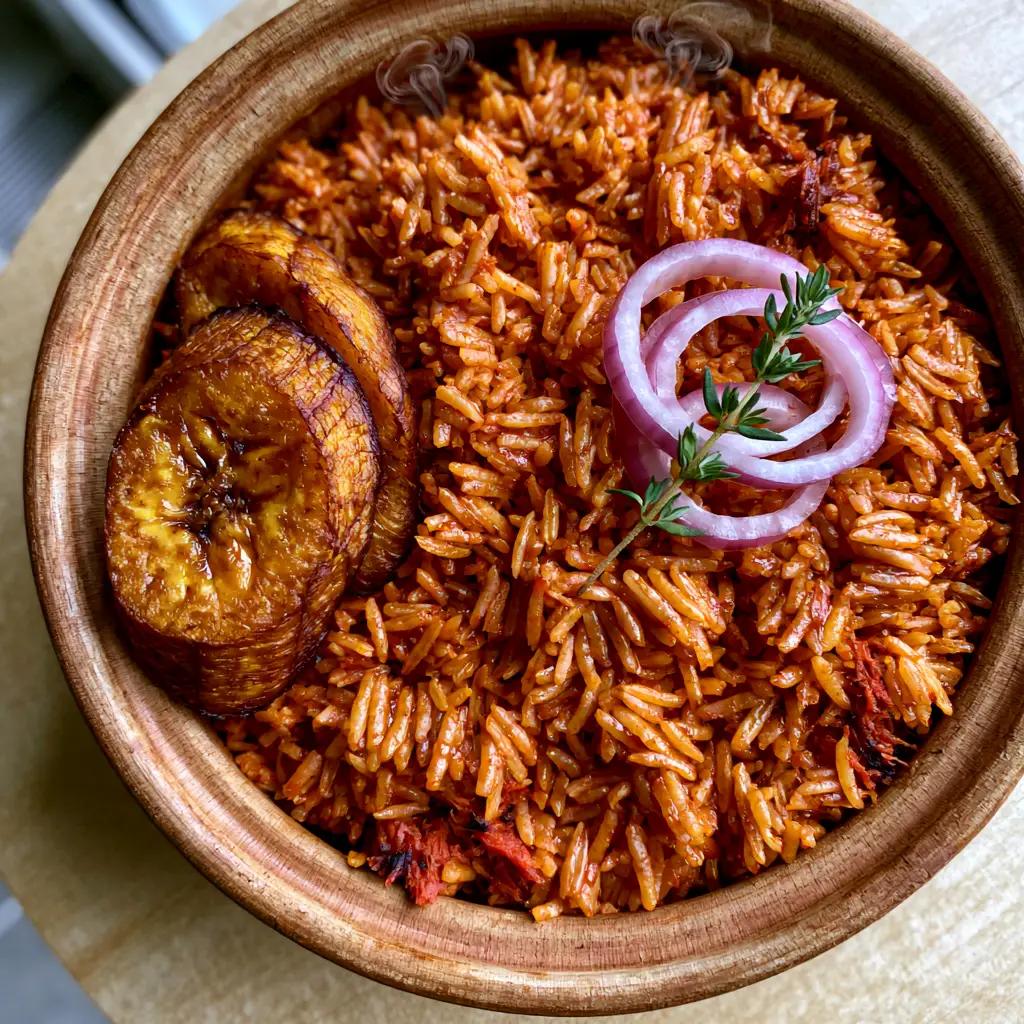
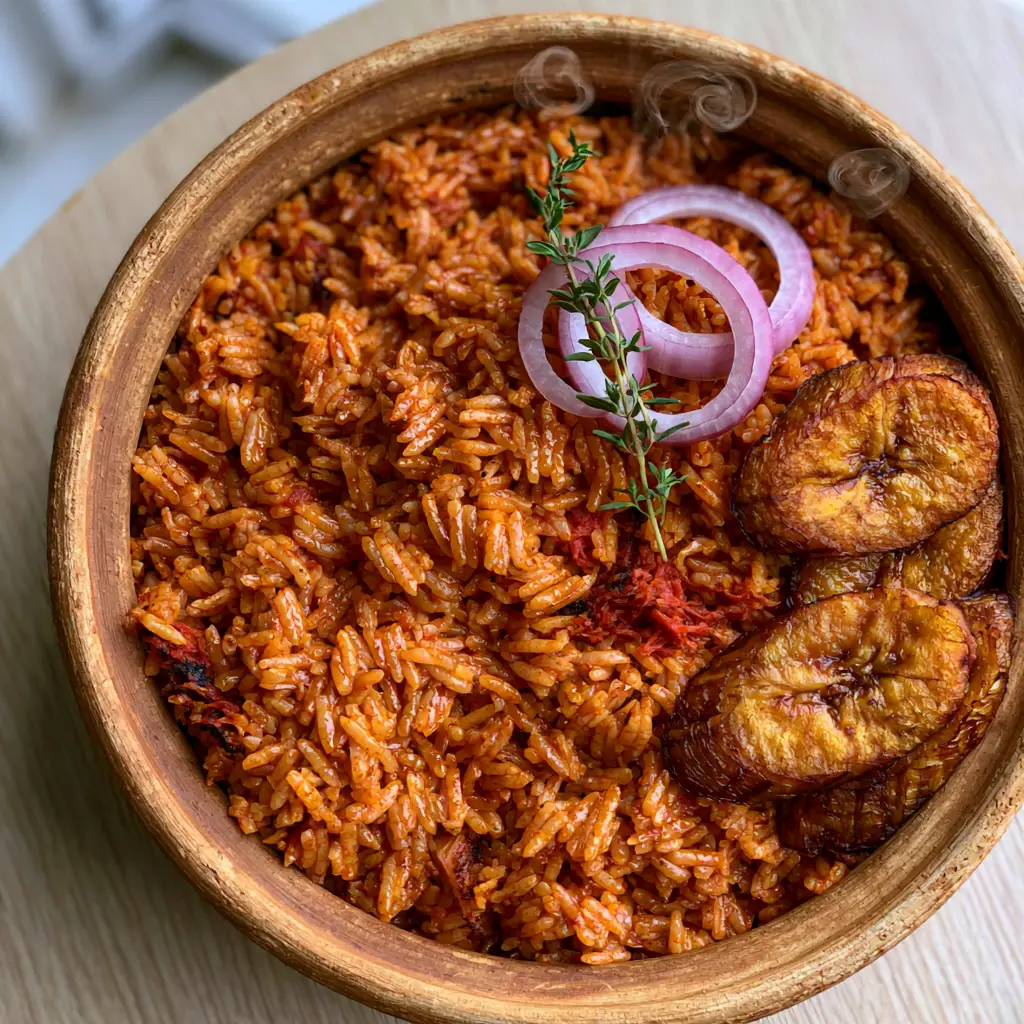
When you look at a traditional pot of Jollof, you are looking at a masterpiece of patience and technique. Our recipe focuses on achieving that deep, vibrant orange-red hue and the glistening sheen of spice-infused oil that signifies a well-fried pepper base.
Whether you are exploring West African recipes for the first time or looking to perfect your Sunday dinner, this guide provides the forensic detail needed to master the “Party Rice” flavor at home. We will dive deep into the science of parboiled rice and the Maillard reaction required for those coveted charred bits at the pot’s edge.
Why This Jollof Rice Recipe Stands Above the Rest
- Perfect Grain Separation: By using long-grain parboiled rice, we ensure each grain remains distinct and “long,” avoiding the mushy texture often found in amateur attempts.
- The Signature “Party” Smoke: We utilize a specific steaming technique that creates a gentle char at the base, infusing the entire pot with a nostalgic, campfire aroma.
- Vibrant Visual Appeal: From the glistening spice-infused oil to the bright red pepper flecks, this dish is designed to be the centerpiece of any table.
- Textural Harmony: The addition of caramelized fried plantains provides a soft, sweet contrast to the savory, spicy rice.
The Foundation: Essential Ingredients for Authentic Jollof
To recreate the visual and flavor profile of the best African dinner recipes, every ingredient must serve a structural or sensory purpose. Here is what you need for this masterpiece.
The Aromatics and Pepper Base
Red Bell Peppers (Tatashe): 3 large peppers (approx. 450g) provide the bulk of the vibrant red color and a sweet, earthy base. They are the primary source of the “flecks” seen in the final dish.
Scotch Bonnet Peppers (Ata Rodo): 2 to 3 peppers (30g) offer the essential heat that characterizes authentic West African recipes. Use fewer if you prefer a milder experience, but do not omit them entirely.
Plum Tomatoes: 5 medium tomatoes (approx. 600g) add the necessary acidity to balance the richness of the oil and the sweetness of the onions.
Red Onions: 2 large onions (300g). Half are blended into the base, while the other half are thinly sliced and fried to create a deep, savory foundation.
The Grains and Liquids
Long-Grain Parboiled Rice: 4 cups (800g). This is the non-negotiable standard for Nigerian Jollof. Parboiled rice has a tougher exterior that stands up to the long steaming process without breaking.
Tomato Paste: 6 oz (170g) of concentrated paste. This is essential for achieving the deep, “concentrated tomato-red” color and the thick consistency of the cooking sauce.
Chicken or Beef Stock: 3 cups (720ml). High-quality, collagen-rich stock provides the mouthfeel and “shimmering oil” look as the fats emulsify with the pepper base.
The Seasoning and Finishing Touches
Vegetable Oil: 1/2 cup (120ml). This acts as the vehicle for flavor, becoming the “spice-infused oil” that makes the grains glisten in the sunlight.
Fresh Thyme and Bay Leaves: 4 sprigs of thyme and 3 bay leaves. These provide the high-note herbal aromatics that cut through the heavy spice of the peppers.
Fried Sweet Plantains (Dodo): 2 ripe plantains, sliced and fried until they have “caramelized edges” as described in our visual blueprint.
The Essential Kit: Equipment for Perfect Rice
Achieving the charred rice bits at the pot edges requires a heavy-bottomed pot or a rustic ceramic pot. A thin-walled pot will burn the rice too quickly before the center is cooked.
You will also need a high-powered blender to achieve a smooth pepper base and aluminum foil. The foil is a secret tool in West African kitchens, used to trap steam under the lid, ensuring the rice cooks in the sauce’s vapor rather than boiling in liquid.
Mastering the Art of the Jollof Pepper Base
Step 1: The Triple-P Blend (Peppers, Plum Tomatoes, and Pungents)
Start by blending your red bell peppers, scotch bonnets, plum tomatoes, and one onion until completely smooth. In Ivorian recipes and Nigerian versions alike, the secret to a rich sauce is reduction.
Pour the blended mix into a pot and boil it over medium-high heat for 15-20 minutes. You want the water to evaporate until you are left with a thick, concentrated paste. This concentrates the natural sugars and pigments.
Step 2: Frying the Aromatics and “Infusing the Oil”
Heat your oil in the heavy-bottomed pot. Add your remaining sliced onions and sauté until they are translucent and just beginning to brown at the edges. This creates the “shimmering spice-infused oil” foundation.
Add the tomato paste and fry it in the oil for 5-8 minutes. You must stir constantly. You are looking for the paste to turn a shade darker—a deep burgundy—and for the oil to separate and turn bright orange. This removes the “tinny” taste of the paste.
Step 3: Integrating the Concentrated Base
Add your reduced pepper blend to the fried tomato paste. Season with curry powder, dried thyme, white pepper, and bouillon cubes. Cook this mixture until the oil begins to float to the top again. This is a visual cue that the base is “fried” and not just “boiled.”
The Steam-Phase: Achieving the Perfect Texture
Step 4: Preparing the Parboiled Grains
Wash your long-grain parboiled rice thoroughly in warm water. You must wash it until the water runs completely clear to remove excess surface starch. This is the only way to ensure the grains don’t stick together.
Step 5: The Low and Slow Simmer
Add the washed rice to the pepper base and stir until every grain is coated in the vibrant red sauce. Pour in your stock—just enough to be level with the rice. Do not drown it.
Place a sheet of aluminum foil over the pot, then press the lid down tightly. Turn the heat to the lowest possible setting. The goal is to let the rice “swell” in the steam. This takes about 30-40 minutes.
Step 6: Creating the Bottom Char
In the last 5 minutes of cooking, increase the heat slightly. Listen for a faint crackling sound. This is the sound of the rice at the bottom and edges beginning to caramelize and lightly char. This “bottom pot” flavor is the hallmark of the most authentic West African recipes.
Expert Tips for a Visual Masterpiece
- The “No-Stir” Rule: Once you have sealed the pot with foil, do not open it or stir the rice for at least 25 minutes. Opening the lid lets the essential steam escape.
- The Oil Sheen: If the rice looks dull, you haven’t used enough oil in the base. The “glistening” look comes from the oil-to-rice ratio.
- The Color Check: If your Jollof looks orange instead of deep red, you likely need more tomato paste or a longer “fry time” for the pepper base.
- The Garnish: Always add your raw red onion rings and fresh thyme sprig right before serving. The residual heat will slightly soften the onion while keeping its vibrant purple-red color intact.
The Perfect Pairing: What to Serve with Jollof
No plate of Nigerian Jollof is complete without fried sweet plantains. The caramelized edges provide a sugary relief to the spicy rice. For a full West African feast, consider serving this alongside a Ghanaian spinach stew or some succulent grilled chicken.
If you enjoy the textures of this dish, you might also find interest in the hearty nature of traditional Ugali or the unique spice profiles found in North African recipes. For a lighter side, a simple slaw or the crispness of freshly fried fish works beautifully.
Frequently Asked Questions
While you can, Basmati is much more delicate and tends to break. If using Basmati, you must significantly reduce the cooking time and water amount to avoid a soggy result.
The color comes from frying your tomato paste until it darkens and using a high ratio of red bell peppers (Tatashe) in your blended base. Avoid using too many tomatoes, as they can turn the rice orange.
The secret is in the ‘bottom pot’ char. By using a heavy-bottomed pot and allowing the rice to lightly burn/caramelize at the base during the final minutes of cooking, the smoke infuses the rest of the rice.
Long-grain parboiled rice is the gold standard for Nigerian Jollof. It has a lower starch content on the surface, which prevents the grains from sticking together during the long steaming process.
Mushy rice is usually caused by using too much water or stirring the rice while it steams. Ensure you only use enough stock to barely cover the rice and rely on trapped steam to do the work.
Authentic Nigerian Jollof Rice with Fried Plantains
West African recipes: The Ultimate Smokey Nigerian Jollof Rice
Ingredients
Equipment
Method
- Blend bell peppers, tomatoes, scotch bonnets, and one onion until smooth.
- Boil the blended mixture in a pot over medium-high heat for 15-20 minutes until the water evaporates and the sauce thickens.
- In a heavy pot, heat oil and fry sliced onions until soft. Add tomato paste and fry for 5-8 minutes until it darkens and the oil separates.
- Add the reduced pepper mix to the pot with seasonings. Fry until the oil floats to the top.
- Stir in the washed rice and stock. Cover with aluminum foil and a tight lid.
- Cook on the lowest heat for 30 minutes. Increase heat slightly at the end to create the charred edges.
Notes
The quality of your stock directly impacts the depth of flavor.
Bringing the Heart of Africa to Your Kitchen
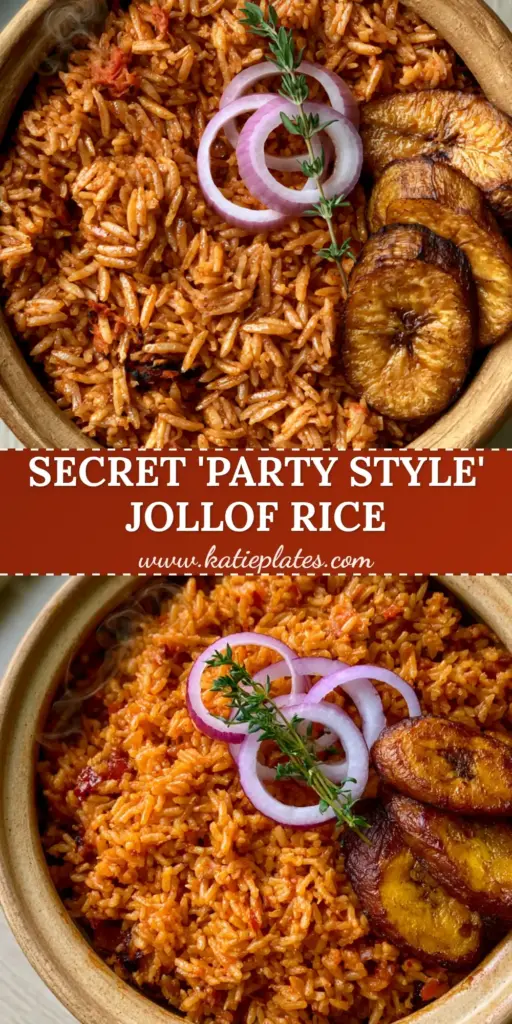
Mastering West African recipes like this Nigerian Jollof Rice is a journey into the soul of a continent. The combination of the deep vibrant orange-red grains, the sweet caramelized plantains, and that unmistakable hint of smoke creates a sensory experience that is truly unmatched in global cuisine.
If you enjoyed this deep dive into culinary forensics and authentic technique, please leave a comment below and share your results! You can also find more visual inspiration and save this recipe to your boards by following katieplates on Pinterest.